Online time
Monday to Friday: 9AM - 8PM
Weekend: 10AM - 5PM

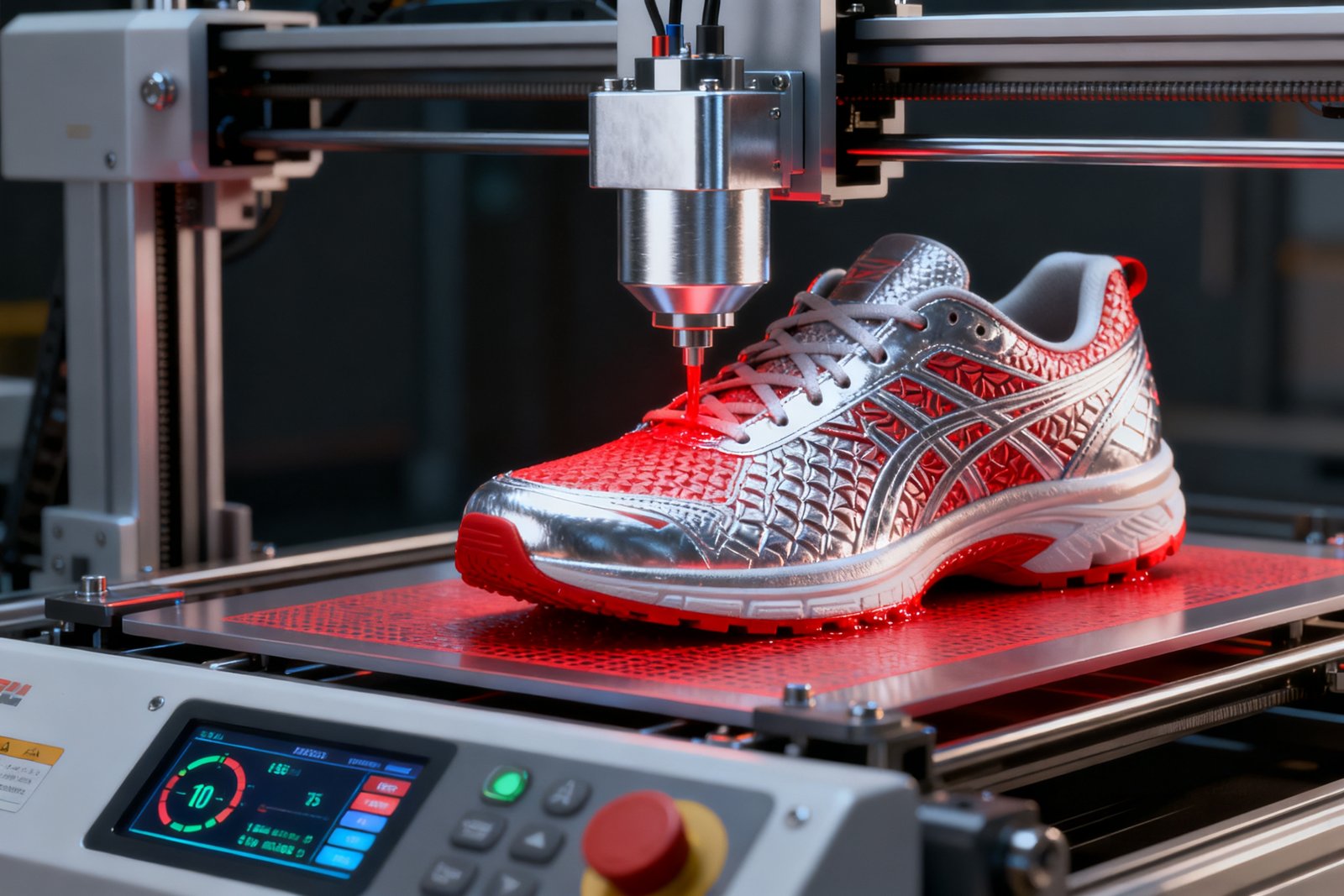
Picture this: you walk into a sneaker store, the staff scans your feet, and within minutes a pair of custom-fit sneakers is printed just for you. Sounds like science fiction? It’s not. This is exactly what Adidas is working on with its Futurecraft project.
For decades, retailers have struggled with inventory problems. According to the National Retail Federation, global retailers lose about $500 billion every year due to unsold or outdated stock. But 3D printing is changing the game.
Nike, for example, uses its “Nike By You” service with 3D knitting and printing technology to make shoes on demand, eliminating the need for warehouses full of inventory. In China, Alibaba’s “Rhino Smart Factory” uses 3D simulation and digital design tools to shrink the production cycle from 15 days to just 3. The shift is clear: retail is moving from “produce first, then sell” to “order first, then make.”
Stores as Mini Factories
Another breakthrough is bringing production directly into retail stores. German startup Zellerfeld has opened 3D printing shoe shops in Seoul and Tokyo, where customers can order sneakers and have them printed on-site. The result? Zero inventory, zero shipping, and delivery time cut from weeks to just two hours. Adidas is also experimenting with regional production: European orders are printed in Germany, Asian orders in China, boosting delivery speed by 70%. Analysts predict that in the coming years, many stores will shift into “experience-based manufacturing centers,” where shoppers don’t just buy products—they help create them.
Greener Shopping for a Greener Planet
Fashion is one of the world’s most wasteful industries, producing an estimated 92 million tons of textile waste every year. With 3D printing, material efficiency jumps from around 30% in traditional manufacturing to over 90%. Nike reports that its 3D-printed midsoles cut material waste by 60%, increased output by 25%, and allowed the use of biodegradable materials like corn-based TPU. For eco-conscious consumers, this could be a major step forward.
Challenges Ahead, But a Bright Future
The road isn’t without obstacles. Printing speeds still need improvement, industrial printers are expensive, and surveys show that many consumers still doubt the durability of 3D-printed products. Yet experts remain optimistic. Gartner forecasts that by 2027, 3D printing will drive the on-demand manufacturing market to over $30 billion, disrupting at least 15% of consumer product categories.
From “predict and produce” to “order and make,” and from buying ready-made products to co-creating them, 3D printing is sparking not just a business shift but also a lifestyle revolution in personalized and sustainable shopping.
