Online time
Monday to Friday: 9AM - 8PM
Weekend: 10AM - 5PM


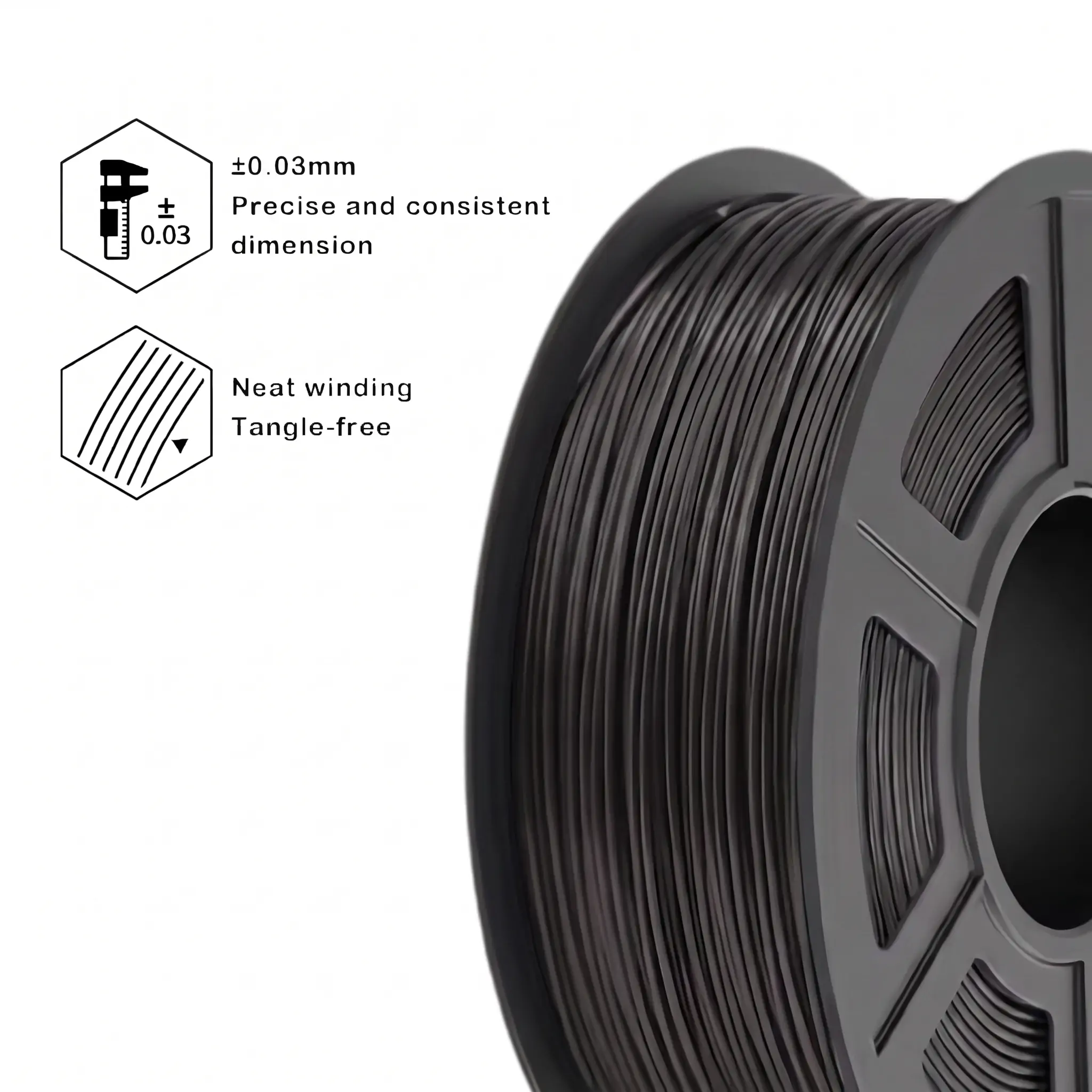
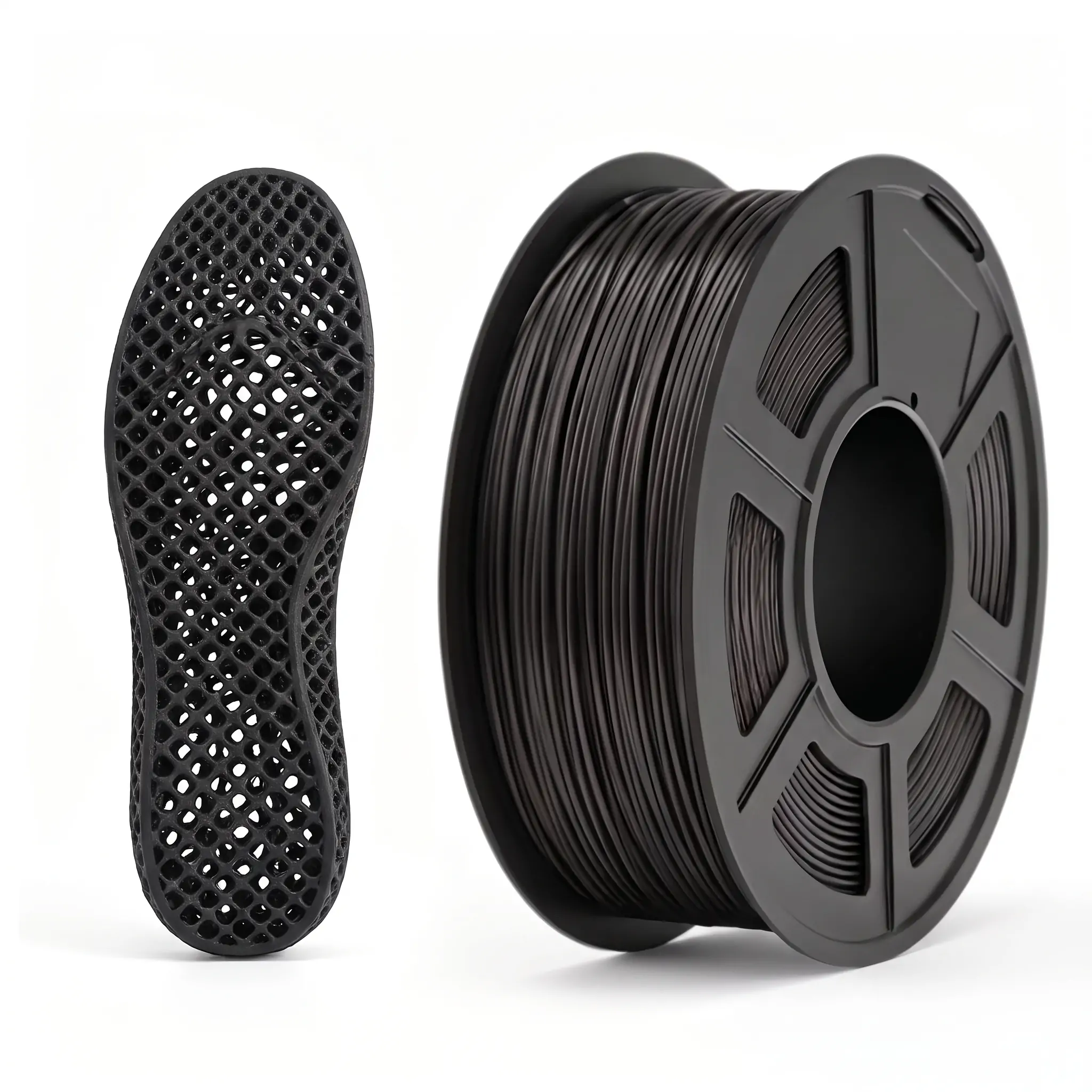
Flexible Filament | PEBA / TPE-A | OEM / ODM Support
Wholesale PEBA 90A Flexible Filament 1.75mm 1kg – High-Rebound TPU Alternative for Shoe Insoles & Gaskets
Industrial PEBA 90A 3D printing filament for distributors, importers, private-label brands, footwear prototyping teams, and OEM/ODM flexible material programs.
Built on polyether block amide chemistry, this 90 Shore A grade combines rubber-like elasticity, lightweight density, high energy return, impact absorption, and chemical resistance for demanding flexible FDM applications.
MaterialPEBA / TPE-A
SeriesFlexible Filament
Hardness90 Shore A
Diameter1.75mm
Tolerance±0.03mm
Net Weight1kg
Gross Weight1.3kg
Nozzle Temp230-250°C
Bed Temp50-80°C
Print Speed30-150 mm/s
PackagingVacuum + Desiccant
Spool TypePlastic Spool
MOQ: Neutral packaging from 50 rolls; OEM packaging typically 500-1,000 rolls.
Lead Time: Standard 7-15 working days; customized orders typically 15-25 working days.
Product Overview
PEBA 90A 3D Printing Filament is a high-performance thermoplastic elastomer based on polyether block amide chemistry. It is designed for flexible FDM parts that need rubber-like softness, high rebound, impact absorption, and lightweight performance. With a 90 Shore A grade, it sits between soft flexible TPU and rigid engineering plastics, making it suitable for shoe insoles, cushioning inserts, gaskets, vibration dampers, soft robotics, and wearable prototypes.
For B2B buyers, this PEBA / TPE-A filament provides a stronger technical positioning than general-purpose flexible materials. It combines 1.02 g/cm3 density, high elongation, good fatigue resistance, and practical FDM processing support for distributors, industrial users, private-label brands, and OEM material programs.
Why This Product Stands Out
PEBA 90A is positioned for buyers who need advanced elastic performance rather than ordinary flexible filament. Compared with standard TPU 85A-95A grades, the key commercial value is its combination of lightweight density, energy return, low-temperature toughness, and long-term dynamic recovery. This makes it especially relevant for footwear, sports equipment, shock absorption, soft-touch industrial parts, and flexible engineering prototypes.
Key Selling Points
High Rebound Elasticity
Designed for snap-back, cushioning, and repeated flexing applications.
Lightweight PEBA Grade
Typical density of 1.02 g/cm3 supports lighter elastic printed parts.
Low-Temperature Toughness
Maintains flexibility and impact performance for cold-environment service.
Fatigue Resistance
Suitable for repeated bending, stretching, and compression cycles.
Chemical Resistance
Resists oils, fuels, greases, and many industrial fluids in suitable applications.
OEM / ODM Ready
Supports custom labels, packaging, colors, and private-label supply programs.
Key Features
| Feature | Practical Buyer Benefit |
|---|---|
| Polyether Block Amide Chemistry | Provides a premium elastomer option beyond standard TPU product lines |
| 90 Shore A Flexibility | Balances soft tactile feel with practical filament feeding behavior |
| High Energy Return | Useful for footwear, cushioning, and dynamic flexible components |
| 1.02 g/cm3 Density | Supports lightweight printed elastic parts |
| No-Break Impact Performance | Improves positioning for damping, shock absorption, and protective parts |
| Vacuum Sealed with Desiccant | Helps reduce moisture-related printing issues during storage and transport |
Balanced Quality and Cost Efficiency
PEBA 90A is not positioned as a low-cost flexible filament. Its value is in performance differentiation: high rebound, low-temperature flexibility, chemical resistance, and long-term elastic recovery. For wholesale and OEM buyers, this helps create a higher-value engineering flexible material line for footwear, sports, robotics, automotive prototype, gasket, and wearable markets.
Why Choose This Product
- PEBA / TPE-A chemistry for premium flexible filament positioning
- 90 Shore A hardness for soft, elastic, and practical flexible parts
- Recommended for shoe insoles, midsoles, gaskets, dampers, and soft robotics
- High elongation and no-break impact performance based on TDS typical values
- Low-temperature toughness for outdoor and cold-environment applications
- Vacuum-sealed packaging with desiccant for export-oriented supply
- OEM / ODM support for distributors, importers, and private-label brands
How We Work
1
Requirement Review
2
Specification Confirmation
3
Sample Evaluation
4
Packaging Discussion
5
Production Arrangement
6
Inspection & Shipment
Material Comparison Guide
| Material | Elastic Recovery | Print Difficulty | Business Positioning | Typical Use |
|---|---|---|---|---|
| PEBA 90A | ★★★★★ | Advanced | Premium flexible engineering filament | Insoles, gaskets, dampers, soft robotics |
| TPU 90A | ★★★★☆ | Moderate to advanced | Common flexible filament | Shoes, cushions, protective parts |
| TPC / TPEE | ★★★★☆ | Advanced | Engineering elastomer alternative | Flexible industrial parts |
| Soft PLA | ★★★☆☆ | Moderate | Entry flexible material | Simple soft models and decorative parts |
Technical Specifications
| Product Name | PEBA 90A 3D Printing Filament |
|---|---|
| Material | Polyether Block Amide (PEBA / TPE-A) |
| Chemical Family | Thermoplastic Polyether-Block-Amide Elastomer |
| Hardness Grade | 90 Shore A |
| Shore D Hardness | 33 |
| Color | Black; custom colors available upon request |
| Filament Diameter | 1.75 ± 0.03mm; 2.85 ± 0.03mm upon request |
| Roundness Deviation | ≤0.02mm |
| Net Weight | 1kg |
| Gross Weight | 1.3kg |
| Density | 1.02 g/cm3 |
| Melt Flow Rate | 5-15 g/10min at 230°C / 2.16kg |
| Tensile Strength (XY) | 40 ± 3 MPa |
| Tensile Modulus (XY) | 45 ± 10 MPa |
| Elongation at Break | 460-580% |
| Flexural Strength (XY) | 25 MPa |
| Flexural Modulus (XY) | 35 ± 10 MPa |
| Izod Impact Strength | No Break |
| Charpy Impact Strength | No Break |
| Glass Transition Temperature | -53.7°C |
| HDT @ 0.455 MPa | 55°C |
| HDT @ 1.82 MPa | 47°C |
| Vicat Softening Temperature | 114°C |
| Melting Temperature | 158-176°C |
| Water Absorption (24h) | 0.5-0.8% |
| Continuous Use Temperature | -30 to 70°C |
| Packaging | Vacuum-sealed aluminum-foil pouch with built-in desiccant |
| Spool Type | Plastic spool |
| OEM / ODM | Supported |
| Certifications | RoHS, CE, SDS/MSDS, TDS; third-party verification on request |
Typical values are based on 3D printed specimens and are intended for reference and comparison. Final performance depends on printer, drying, part geometry, and printing conditions.
Recommended Print Settings
| Parameter | Recommended Guidance |
|---|---|
| Recommended Nozzle Temperature | 230-250°C; optimal starting value 240°C |
| Hot Bed Temperature | 50-80°C; optimal starting value 65°C |
| Print Speed | 30-150 mm/s |
| First Layer Speed | 15-20 mm/s |
| Layer Fan Speed | Off for first 2 layers, then 30-50% |
| Chamber Temperature | 40-50°C; heated chamber recommended for large parts |
| Nozzle Material | Hardened steel nozzle recommended, ≥0.4mm; brass acceptable for short-term use |
| Retraction – Direct Drive | 1-2mm at 30-40 mm/s |
| Retraction – Bowden | 3-5mm at 25-35 mm/s; slower speed may be required |
| Layer Height | 0.12-0.28mm starting range |
| Wall Count | 3-5 perimeters for functional flexible parts |
| Infill | 15-25% for soft cushioning; 40-80% for higher support demand |
| Bed Adhesion | Textured PEI, PA nylon sheet, glass with suitable adhesive, or separator layer as needed |
| Drying Conditions | 80°C for 6-8 hours if moisture is suspected |
Print Optimization Guide
| Item | Guidance |
|---|---|
| Best Extruder Setup | Direct drive extruder is strongly recommended for stable flexible filament feeding |
| Moisture Control | Dry before printing if popping, hissing, bubbles, rough surface, or stringing appears |
| Bowden Printing | Use low speed, smooth filament path, and reduced friction tubing where possible |
| Layer Bonding | Increase nozzle temperature in 5°C steps and reduce cooling if inter-layer splitting occurs |
| Stringing Control | Dry filament, tune retraction carefully, and reduce nozzle temperature by 5-10°C if needed |
| Large Parts | Use heated chamber around 40-50°C and moderate fan settings for more stable results |
| Surface Protection | Use suitable build surface or separator layer to prevent over-adhesion on selected plates |
Printer Brand Starting Settings
| Printer Brand | Nozzle | Bed | Speed | Notes |
|---|---|---|---|---|
| Bambu Lab | 230-250°C | 50-80°C | 30-150 mm/s | Use external spool or low-resistance dry box path; AMS use should be confirmed by printer model and material path |
| Prusa | 230-250°C | 50-80°C | 30-150 mm/s | Loosen idler if needed and use suitable flexible-material surface preparation |
| Creality | 230-250°C | 50-80°C | 30-150 mm/s | Direct drive models are preferred; keep filament path short and smooth |
| Anycubic | 230-250°C | 50-80°C | 30-150 mm/s | Start with dried filament and tune retraction slowly |
| Elegoo | 230-250°C | 50-80°C | 30-150 mm/s | Use conservative acceleration and moderate cooling for flexible parts |
These values are starting references only. Always confirm with calibration prints, printer structure, nozzle size, slicer profile, ambient humidity, and part geometry.
Performance Characteristics
| Characteristic | Assessment | Notes |
|---|---|---|
| Printability | ★★★☆☆ | Moderate; requires drying, speed control, and flexible-filament tuning |
| Flexibility & Elongation | ★★★★★ | Excellent fit for stretch, snap-back, and cyclic loading applications |
| Impact Resistance | ★★★★★ | No-break Izod and Charpy impact performance in TDS typical values |
| Heat Resistance | ★★☆☆☆ | Limited HDT as expected for a soft elastomer |
| Chemical Resistance | ★★★★★ | Resistant to oils, fuels, greases, and many industrial fluids |
| Low-Temperature Toughness | ★★★★★ | Tg -53.7°C supports cold-environment flexibility |
Applications
| Application | Suitability | Notes |
|---|---|---|
| Footwear Insoles & Midsoles | ★★★★★ | High rebound and soft elastic feel for cushioning prototypes |
| Industrial Gaskets & Seals | ★★★★★ | Useful for flexible sealing and fit-check prototype parts |
| Vibration Dampers | ★★★★★ | Suitable for damping, isolators, and shock absorbing components |
| Soft Robotics | ★★★★☆ | Suitable for actuator and gripper finger prototypes |
| Drone / RC Landing Gear | ★★★★☆ | Useful for impact absorbing guards and protective parts |
| Wearable Prototypes | ★★★★☆ | Good fit for ergonomic and soft-touch custom devices |
Storage Guide
- Store in a cool, dry environment with relative humidity below 30%
- Recommended storage temperature is 15-25°C
- Keep original vacuum packaging sealed until ready for use
- Store opened spools in airtight containers or filament dry boxes with fresh desiccant
- Dry at 80°C for 6-8 hours if moisture symptoms are observed before printing
OEM / ODM Services
SSSray supports OEM / ODM cooperation for distributors, wholesalers, private-label brands, importers, and industrial sourcing teams. Service options may include neutral packaging, custom labels, branded boxes, color discussion, spool format discussion, technical document support, and project-based private-label supply.
MOQ Reference: Neutral packaging from 50 rolls; OEM packaging typically 500-1,000 rolls.
Quality Control
- Diameter control management for 1.75 ± 0.03mm tolerance
- Roundness and winding appearance inspection
- Vacuum packaging and desiccant inclusion check
- Moisture-sensitive storage and handling control
- Batch traceability through lot number and production date
- Shipment preparation review for export orders
Certifications
- RoHS – compliant with EU hazardous substance restriction requirements
- CE – conforms to applicable EU safety and environmental directives
- SDS / MSDS – safety information available upon request
- TDS – technical data sheet available for buyer evaluation
- Third-party quality verification – available on request; additional fees may apply
This product has not been certified for food-contact, drinking-water, or medical applications.
Frequently Asked Questions
What is PEBA 90A filament mainly used for?
It is mainly used for flexible engineering parts such as shoe insoles, midsoles, cushioning inserts, vibration dampers, gaskets, seals, soft robotics parts, wearable prototypes, and impact absorbing components.
Is PEBA 90A easier to print than TPU?
PEBA 90A is an advanced flexible filament. It can feed reliably when properly tuned, but it still requires drying control, slow print speed, careful retraction, and preferably a direct drive extruder.
What nozzle temperature should I start with?
The recommended range is 230-250°C, with 240°C as a practical starting value from the TDS. Final temperature should be tuned by printer, nozzle size, part geometry, and layer bonding requirements.
Does this filament need drying?
Yes, drying is strongly recommended if moisture is suspected. The TDS recommends 80°C for 6-8 hours when symptoms such as popping, hissing, bubbles, rough surface, or excessive stringing appear.
Can Bowden printers use this PEBA 90A filament?
Direct drive is strongly recommended. Bowden setups may require slower speeds, reduced filament path friction, careful retraction, and a smooth PTFE path. Start below 20 mm/s if feeding is unstable.
What is the MOQ for this product?
Neutral packaging typically starts from 50 rolls. OEM packaging usually ranges from 500 to 1,000 rolls depending on customization scope.
Can SSSray provide OEM or private-label packaging?
Yes. SSSray supports OEM / ODM and private-label cooperation for qualified B2B buyers, including custom labels, packaging discussion, and project-based supply support.
Is PEBA 90A suitable for food, drinking-water, or medical use?
No. The TDS states that this product has not been certified for food-contact, drinking-water, or medical applications. Buyers should conduct their own validation for any regulated use.
Looking for a Reliable PEBA 90A Filament Supplier?
Contact SSSray for bulk pricing, sample evaluation, OEM / ODM discussion, and export-oriented flexible filament supply support.
Additional Information
| Color | Black; custom colors available upon request |
|---|---|
| Filament Diameter | 1.75mm; 2.85mm upon request |
| Spool Weight | 1kg Net Weight |
| Gross Weight | 1.3kg |
| Material | Polyether Block Amide (PEBA / TPE-A), 90 Shore A grade |
| Packaging | Vacuum-sealed aluminum-foil pouch with built-in desiccant |
| Spool Type | Plastic spool |
| Standard Tolerance | ±0.03mm |
| Brand | SSSray |
| Product Series | Flexible Filament / Industrial Engineering Filament |
Packaging Gallery
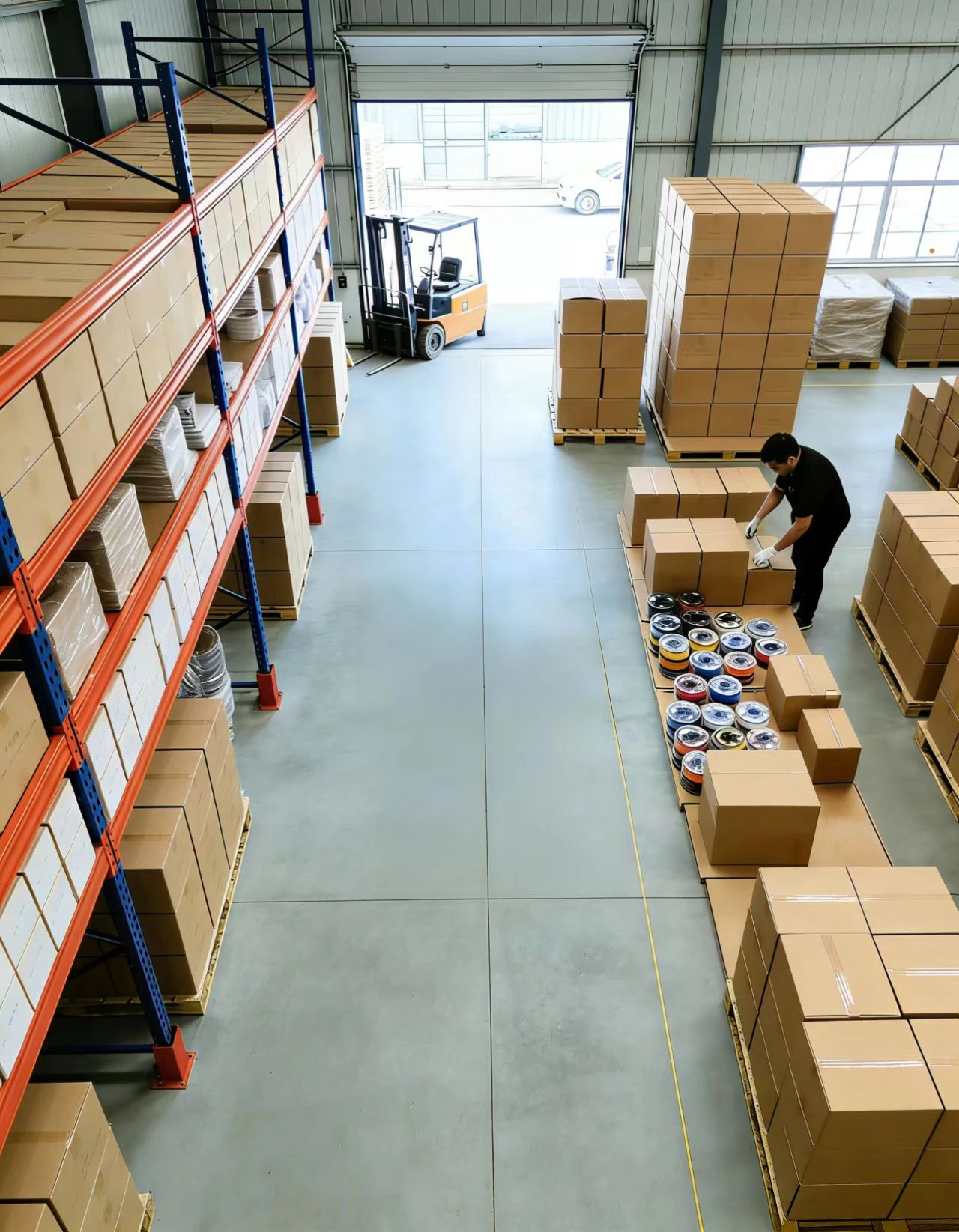
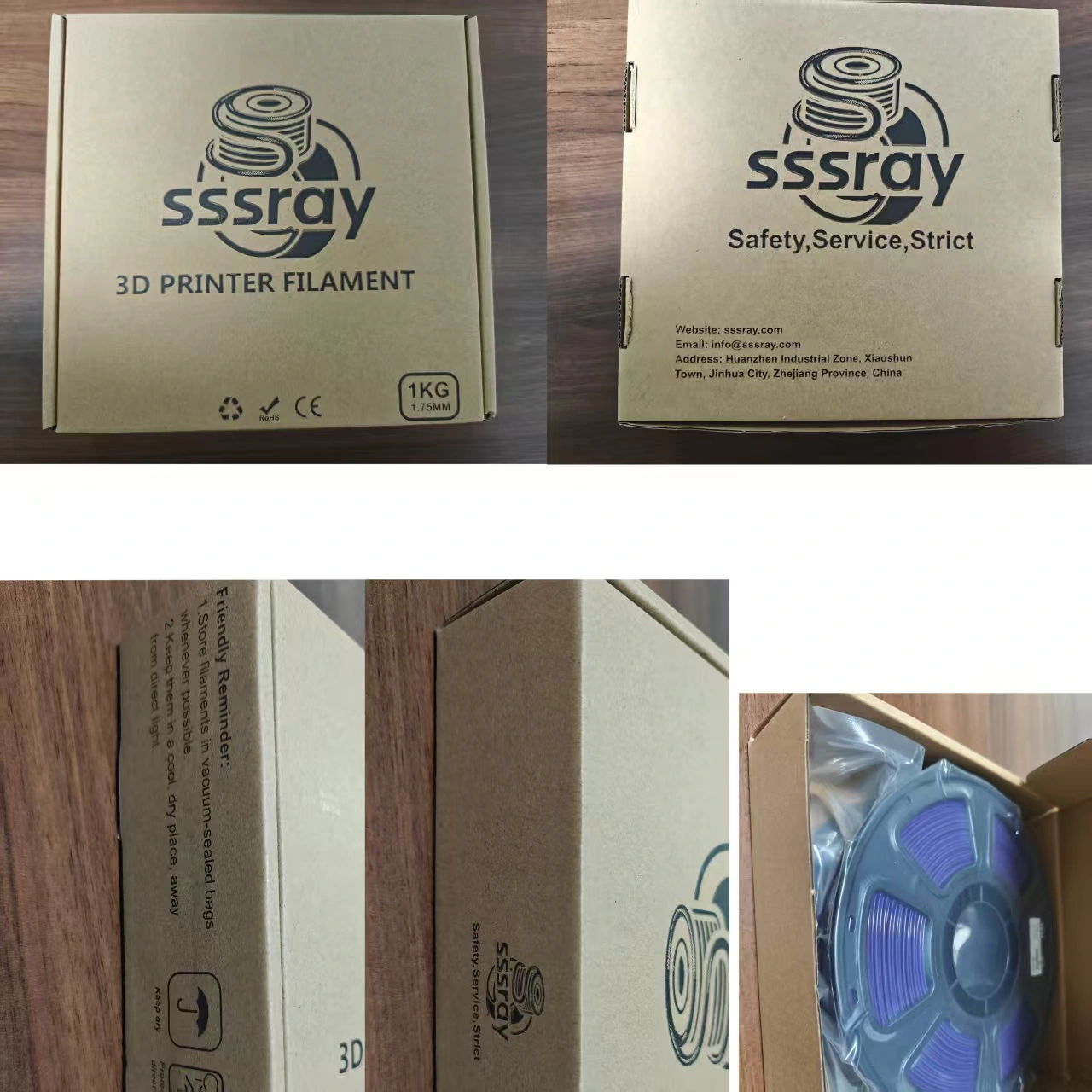
Our Protection Measures
- Vacuum-sealed bag packaging
- Built-in desiccant for each unit
- Individual box support available
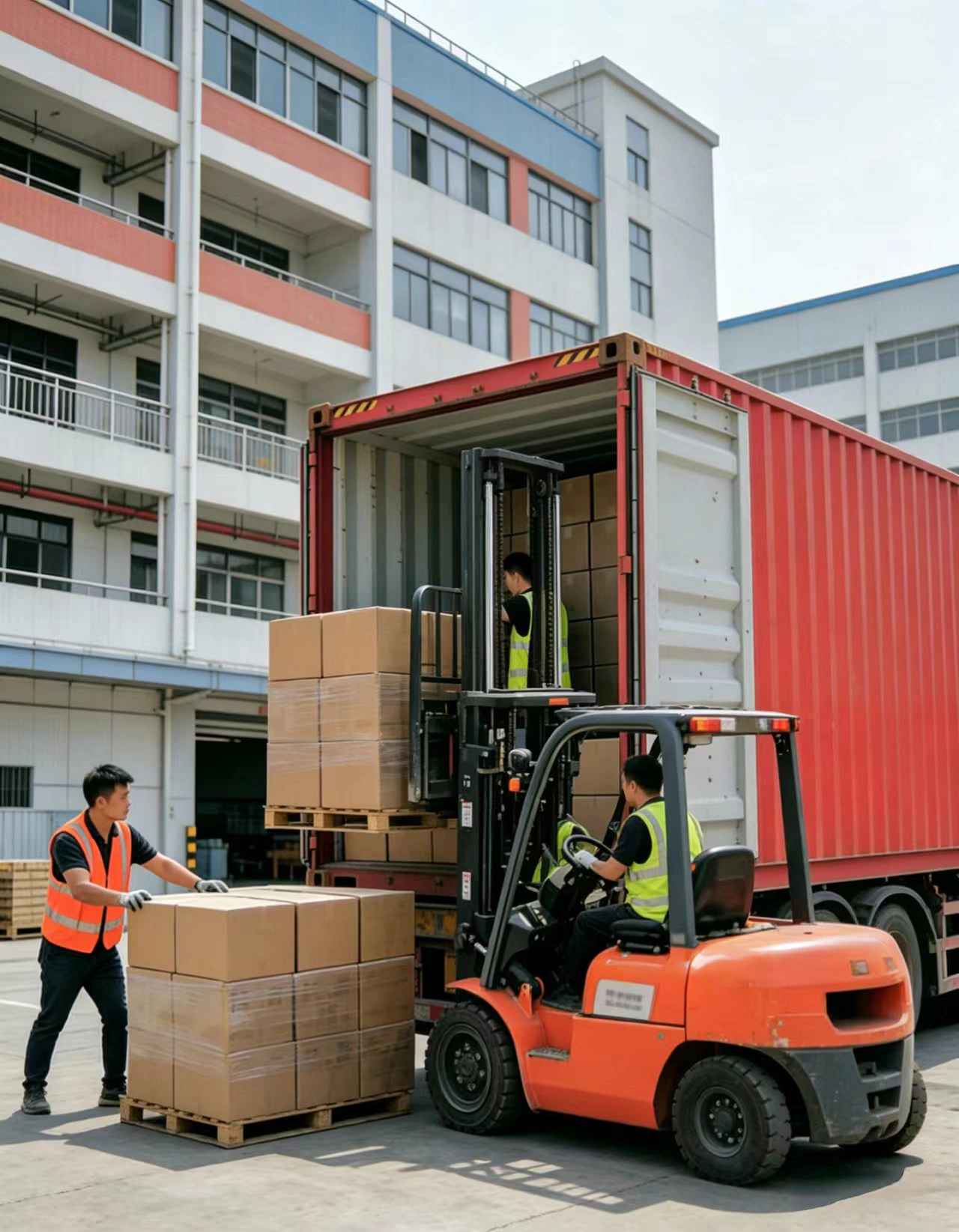
- Export carton packing for bulk orders
- Shipment-ready outer carton preparation
Carton Reference
| Packing Reference | Typical Description |
|---|---|
| Inner Unit | 1 roll / box |
| Master Carton Quantity | Based on order arrangement and packaging format |
| Carton Type | Export standard carton |
| Carton Dimensions | May vary depending on spool style and box format |
| Palletization | Available upon shipment planning |
| Labeling | Neutral / custom OEM labels available |
Carton dimensions and packing quantity may vary depending on packaging style, spool type, and customization requirements.
B2B Supply Terms
| MOQ | Neutral packaging from 50 rolls; OEM packaging typically 500-1,000 rolls |
|---|---|
| Available Colors | Standard black and custom color options available |
| Diameter Options | 1.75mm standard; 2.85mm upon request |
| Spool Design | Standard plastic spool or customized spool options |
| Sample Orders | Qualified buyers may receive sample support after review |
| Payment Methods | T/T for all orders; PayPal for small trial orders |
| L/C Terms | Considered only for selected large-volume existing customers after evaluation |
| Trade Terms | FOB Ningbo / EXW |
| Standard Payment Terms | 30% deposit, 70% balance before shipment |
| Lead Time | Standard 7-15 working days; customized 15-25 working days |
| Port of Loading | Ningbo, China |
| OEM / ODM | Supported |