Online time
Monday to Friday: 9AM - 8PM
Weekend: 10AM - 5PM


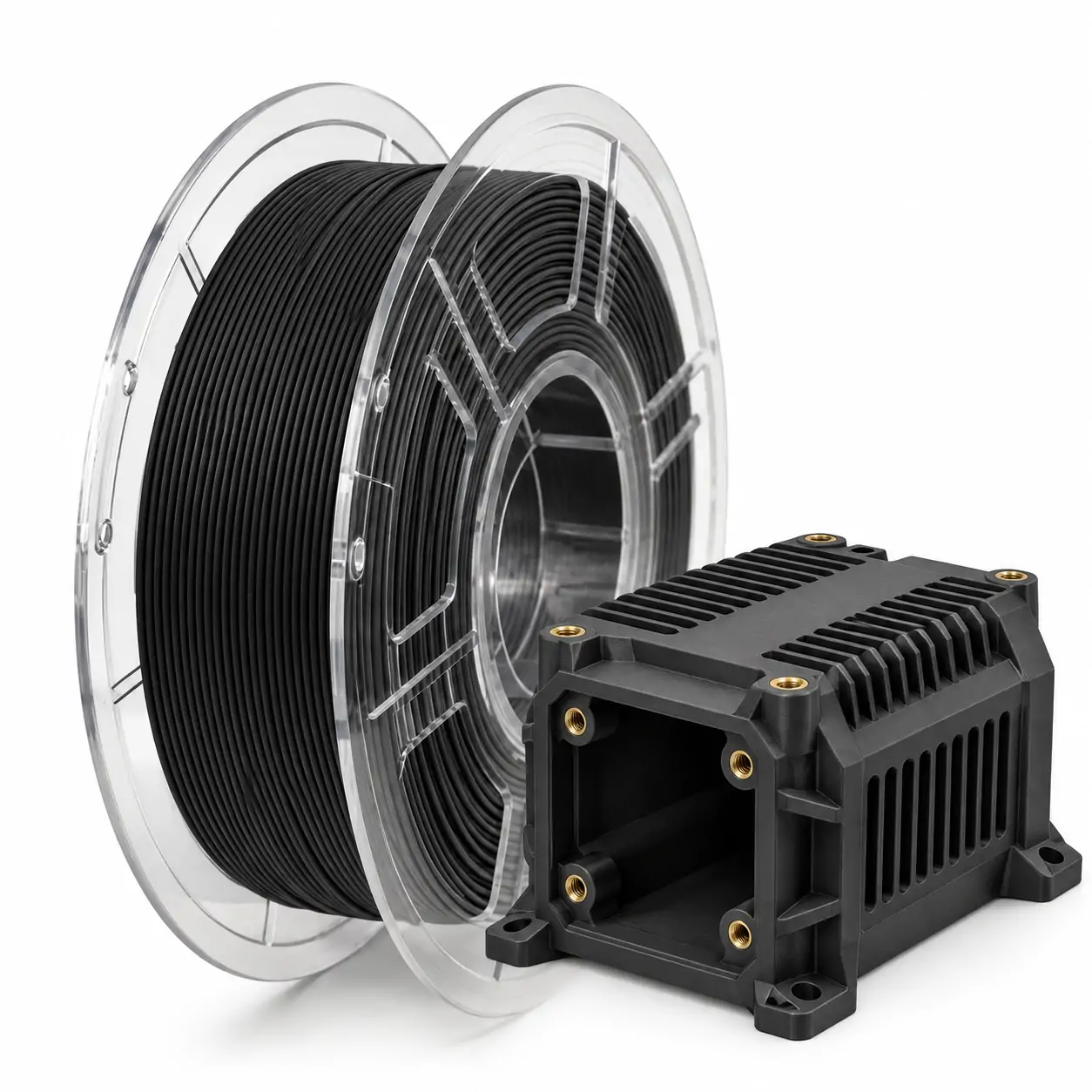
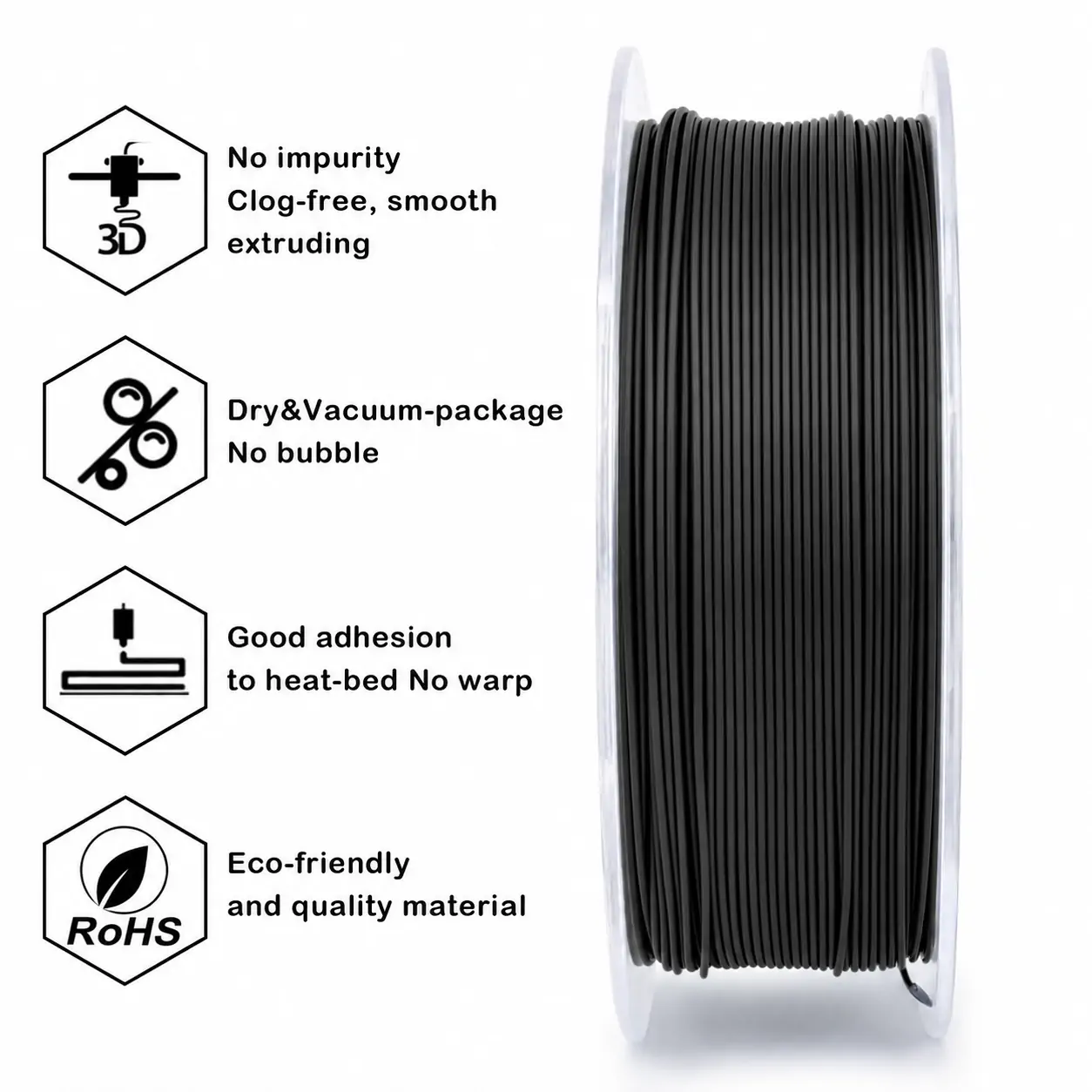
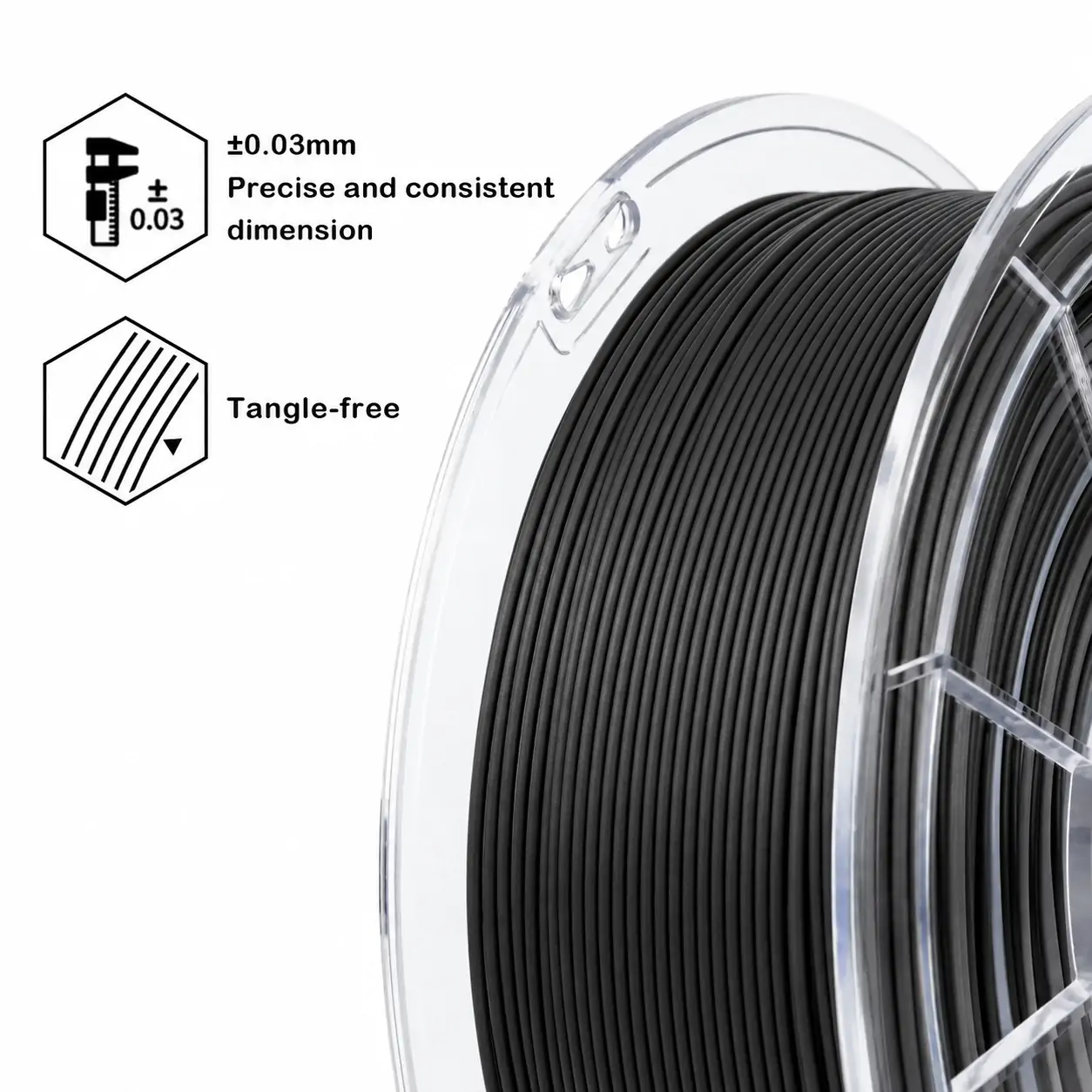
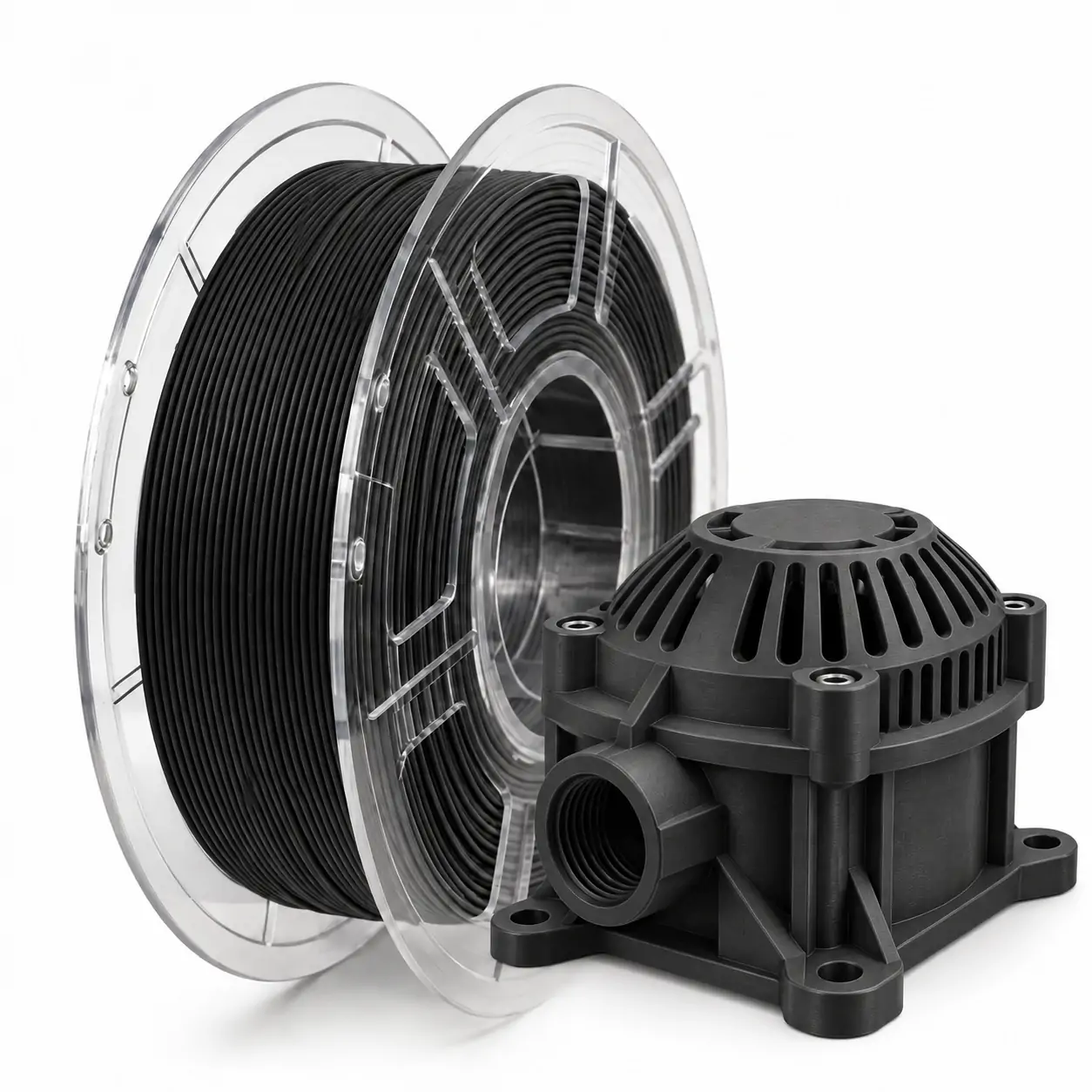
High-Performance PEI Series | Industrial Supply | OEM / ODM Support
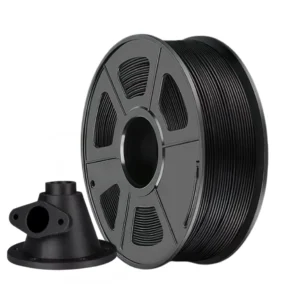
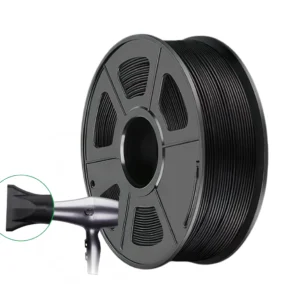
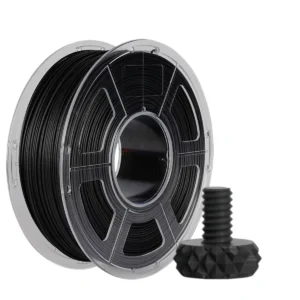
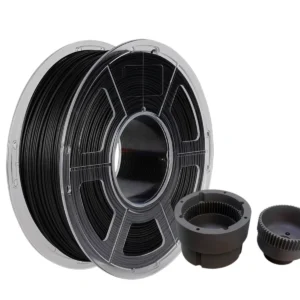
SSSray PEI 9085 Polyetherimide 3D Printer Filament, Deep Black – Vysokoteplotní PEI filament pro 3D tisk – for Functional Enclosures & End-Use Parts
High-temperature PEI 9085 filament for industrial buyers producing functional housings, tooling and end-use components that need elevated-temperature stability, controlled processing and a uniform Deep Black finish.
We supply this grade for high-temperature FDM / FFF programs where standard PLA, PETG, ABS or PC no longer provide enough thermal margin. The Deep Black formulation is built for engineering enclosures and production parts, with ±0.03mm diameter control, vacuum-sealed packaging, batch-oriented QC and OEM / private-label supply support.
MaterialPEI 9085 Blend
SeriesHigh-Performance PEI
ColorDeep Black
Diameter1.75mm
Tolerance±0.03mm
Net Weight1kg
Gross Weight1.3kg
Nozzle Temp350–380°C
Bed Temp150–160°C
Heated Chamber90°C+ Start
Print Speed25–40 mm/s
PackagingVacuum + Desiccant
MOQ: Neutral packaging from 50 spools; OEM packaging typically 500–1,000 spools.
Lead Time: Standard 7–15 working days; customized orders typically 15–25 working days.
Product Overview
SSSray PEI 9085 Deep Black is a high-performance amorphous polyetherimide-based filament developed for industrial FDM / FFF programs that require more thermal capability and dimensional stability than standard engineering plastics. Its solid black appearance is opaque and low-sheen, giving functional enclosures, vented housings, fixtures, brackets, threaded features and end-use components a clean engineering finish. The material is intended for high-temperature printers with an all-metal hotend, high-temperature build plate and a controlled heated chamber; it is not positioned as a drop-in material for ordinary desktop PLA / PETG machines.
For B2B programs, we combine the material with ±0.03mm diameter control, vacuum-sealed packaging with desiccant, batch-oriented QC, neutral packaging from 50 spools and OEM / private-label options from 500–1,000 spools. Deep Black is especially useful for product lines where buyers want a professional non-metallic finish, reduced visual glare and consistent presentation across functional housings and production components.
Why Deep Black PEI 9085 Stands Out
We position this grade for industrial buyers who need a real step above PC, PA and standard ABS in processing temperature and end-use capability. The value is not “easy printing”; it is controlled high-temperature processing, stable geometry, strong layer bonding when chamber conditions are correct, and a Deep Black finish that suits electrical housings, machine components, tooling and low-volume production parts. For regulated projects, we match the material grade, color, document set and sample plan to the target application before volume production.
Key Selling Points
High-Temperature PEI Platform
Built for industrial FDM / FFF systems with high-temperature hotends, heated beds and controlled chambers.
Deep Black Engineering Finish
Opaque black with a soft matte, low-sheen surface for housings, fixtures and end-use parts.
±0.03mm Diameter Control
Supports stable feeding and repeatable extrusion across longer engineering print jobs.
Controlled Layer Bonding
Low or zero part cooling and chamber heat support stronger interlayer bonding on demanding geometries.
Dry-Pack Supply
Vacuum-sealed packaging with desiccant helps protect material condition during export storage and transport.
OEM / Private-Label Ready
Custom labels, cartons, barcode / SKU setup, spool presentation and project-specific packaging are available.
Key Features
| Feature | Practical Buyer Benefit |
|---|---|
| PEI 9085 Amorphous Polymer Platform | Supports high-temperature functional parts without the crystallization control required by semi-crystalline PEEK. |
| Deep Black, Low-Sheen Surface | Gives engineering housings and end-use components a consistent professional appearance. |
| 1.75mm Standard Diameter | Fits industrial open-material high-temperature FDM / FFF platforms using 1.75mm filament. |
| ±0.03mm Tolerance | Supports repeatable material feed across long prints and multi-spool B2B programs. |
| Vacuum Pack + Desiccant | Helps control moisture exposure before the spool reaches the printer or dry-storage system. |
| OEM / ODM Supply Support | Lets distributors and private-label buyers build a high-performance filament line with coordinated packaging and documentation. |
Commercial Value for High-Temperature Filament Programs
PEI 9085 belongs in an engineering filament portfolio where buyers are choosing materials by operating environment rather than lowest cost per kilogram. A Deep Black PEI 9085 SKU gives distributors and industrial users a clear step above PC, ABS and PA for high-temperature housings, fixtures, air-management components and durable production parts, while keeping processing below the typical thermal demands of many PEEK workflows. For private-label programs, one well-defined PEI 9085 grade also creates a practical bridge between mainstream engineering polymers and ultra-high-temperature materials.
Why Buyers Add Deep Black PEI 9085 to an Engineering Line
- High-temperature amorphous PEI platform for functional FDM / FFF parts
- Deep Black low-sheen finish suited to industrial housings and visible end-use components
- 1.75mm standard format with ±0.03mm diameter tolerance
- Low / zero cooling process window supports interlayer bonding
- Vacuum-sealed packaging with desiccant for export and warehouse handling
- Neutral packaging from 50 spools for lower-risk B2B qualification
- OEM labels, cartons, SKU setup and private-label packaging for 500–1,000-spool programs
How We Work
1
Application Requirements
2
Printer Capability Check
3
Sample Printing
4
Specification & Packaging
5
Production & Batch QC
6
Inspection & Shipment
Material Comparison Guide
| Material | Polymer Structure | Typical Nozzle Range | Typical Bed Range | Typical Use |
|---|---|---|---|---|
| PEI 9085 | Amorphous PEI blend | 350–390°C | 140–160°C starting window | High-temperature housings, tooling, functional and end-use parts |
| PEI 1010 | Amorphous PEI | 370–390°C | 120–160°C | Higher-thermal-margin PEI parts, tooling and specialized engineering use |
| PEEK | Semi-crystalline PAEK | 400–450°C common industrial reference | 120–160°C common starting range | High chemical / thermal load parts and advanced metal-replacement programs |
| PC / PC Blend | Amorphous engineering polymer | 265–285°C typical | 100–120°C | Functional prototypes, housings and lower-temperature engineering parts |
Technical Specifications
| Product Name | SSSray PEI 9085 Polyetherimide 3D Printer Filament, Deep Black – Vysokoteplotní PEI filament pro 3D tisk – for Functional Enclosures & End-Use Parts |
|---|---|
| Material | PEI 9085 (polyetherimide-based blend), amorphous high-performance thermoplastic |
| Series | SSSray High-Performance PEI Series – PEI 9085 for Functional Housings & End-Use Components |
| Color / Effect | Deep Black; solid, opaque, soft matte / low-sheen surface; no silk, metallic, carbon-fiber or gradient effect |
| Filament Diameter | 1.75mm standard; 2.85mm available on request |
| Tolerance | ±0.03mm |
| Net Weight | 1kg standard; 3kg / 5kg available on request |
| Gross Weight | 1.3kg |
| Spool Type | Plastic spool |
| Packaging | Vacuum sealed with desiccant |
| Printer Compatibility | High-temperature 1.75mm FDM / FFF printers capable of approximately 350–390°C nozzle temperature, high-temperature bed operation and a controlled heated chamber |
| Typical Applications | Functional enclosures, electrical / electronics housings, ventilation components, jigs, fixtures, tooling and end-use engineering parts |
| OEM / ODM | Supported: labels, cartons, barcode / SKU setup, spool presentation, neutral packaging and private-label programs |
| Trade Terms | FOB Ningbo / EXW |
| MOQ | Neutral packaging 50 spools; OEM packaging typically 500–1,000 spools |
| Lead Time | Standard 7–15 working days; customized 15–25 working days |
Recommended Print Settings
| Parameter | Recommended Guidance |
|---|---|
| Recommended Nozzle Temperature | 350–380°C |
| Usable / Tuning Range | 350–390°C on high-temperature systems after flow and layer-bond calibration |
| Recommended Bed Temperature | 150–160°C starting window |
| Extended / Industrial Bed Range | 140–185°C by platform, part size and qualified process |
| Heated Chamber | 80–90°C minimum starting reference; 120–185°C is used for larger or production parts on higher-temperature systems |
| Recommended Print Speed | 25–40 mm/s |
| Usable Speed Range | 20–60 mm/s after extrusion flow, chamber and geometry validation |
| Layer Height | 0.15–0.25mm with a 0.4mm nozzle; ≥0.10mm is a practical lower boundary |
| Cooling Fan | 0% default; use only limited cooling up to about 20–25% when geometry requires it |
| Retraction | Direct drive 1–2mm / Bowden 4–5mm as starting references; tune by hotend path and stringing behavior |
| Wall Count | 3–5 perimeters for functional housings; increase where bosses, threads or fasteners carry load |
| Infill | 30–50% for many functional housings; 60–100% for high-load parts or test coupons when the design requires it |
| First Layer Speed | 15–25 mm/s with a stable chamber and fully conditioned build surface |
| Bed Adhesion | Dedicated high-temperature adhesive or polyimide tape; use a brim for large footprints or tall parts |
| Drying | 110–120°C for 4–6 hours before printing; use a heat-rated reel or respool before high-temperature drying |
Print Optimization Guide
| Item | Guidance |
|---|---|
| Thermal Stabilization | Preheat the bed and chamber before starting large parts so the build environment is stable from the first layer. |
| Moisture Control | Dry before printing and feed from a dry environment; moisture can show up as bubbles, rough extrusion and weaker layer bonding. |
| Layer Bonding | Keep part cooling off by default and avoid unnecessary cold-air leakage into the build chamber. |
| Large Enclosures | Use rounded internal corners, balanced wall thickness and a brim to reduce stress concentration and edge lift. |
| Threaded Features | For heat-set or threaded inserts, qualify boss diameter, wall count and insertion temperature on a sample before production. |
| Surface Finish | Use 0.15–0.20mm layers and moderate outer-wall speed when the Deep Black finish is customer-facing. |
| Production Repeatability | Lock nozzle, bed, chamber, drying and build-surface preparation into the same process sheet for repeat orders. |
Printer Brand Starting Settings
| Printer / Platform | Nozzle | Bed | Chamber | Starting Note |
|---|---|---|---|---|
| INTAMSYS FUNMAT HT | 350–380°C | 150–160°C | 90°C | Meets the lower-end chamber reference for PEI 9085 qualification; validate warpage, layer bonding and part size before production release. |
| CreatBot PEEK-300 | 350–380°C | 150–160°C | 90–120°C | CreatBot PEI 9085 test data uses 350°C nozzle, 150°C bed and 25 mm/s; the platform provides additional thermal headroom. |
| Bambu Lab H2D | 350°C hardware maximum | 120°C hardware maximum | 65°C hardware maximum | Below our preferred bed / chamber window for production PEI 9085; use only with a separately validated low-temperature process for the specific part. |
| Prusa CORE One L+ HT | 350–380°C | 120°C hardware maximum | 60°C hardware maximum | HT hotend reaches 400°C, but bed and chamber are below our preferred production window; validate part size and adhesion before committing to production. |
| Creality K2 Plus | 350°C hardware maximum | 120°C hardware maximum | 60°C hardware maximum | Nozzle reaches the lower edge of the PEI 9085 window, while bed / chamber headroom is limited for larger parts; use only after process validation. |
For PEI 9085, printer capability matters more than brand name. Industrial production should use platforms that can hold nozzle, bed and chamber temperatures continuously under load.
Performance Characteristics
| Characteristic | Qualification Reference / Test Basis | Production Meaning |
|---|---|---|
| Polymer Structure | Amorphous PEI 9085-class blend | No crystallization stage is required, but thermal stress control remains important for large parts. |
| Glass Transition Temperature (Tg) | 186°C · DSC grade benchmark | Provides the material-selection reference for elevated-temperature applications; final printed-part performance still depends on geometry, orientation and process conditions. |
| Heat Deflection Temperature (HDT) | 175°C at 0.45 MPa · ISO 75 grade benchmark | Provides a comparable thermal-load reference; printed-part HDT should be confirmed on the final geometry and qualified print process. |
| Density | 1.34 g/cm³ · ISO 1183 grade benchmark | Useful for part-weight, material-consumption and shipping calculations. |
| Cooling Behavior | 0% fan is the normal starting point; limited cooling can be used for local geometry | Protects layer bonding while still allowing controlled handling of small overhangs or details. |
| Moisture Sensitivity | Pre-drying is required before high-quality printing | Dry feed reduces bubbles, rough surface texture and inconsistent extrusion. |
Thermal-property values above are PEI 9085 qualification benchmarks used for this supply program. Batch-specific release data remains tied to the confirmed production grade and production lot.
Applications
| Application Focus | Why PEI 9085 Fits | Practical Notes |
|---|---|---|
| Functional Electronics Enclosures | High-temperature polymer platform with stable geometry and a professional Deep Black finish | Use thicker bosses and 3–5 walls around threaded inserts, mounting points and repeated fastener locations. |
| Ventilated Housings & Air-Management Parts | Retains functional geometry at temperatures where common commodity filaments lose margin | Keep long ribs, slots and thin vent walls inside a stable heated chamber to reduce edge lift. |
| Jigs, Fixtures & Production Aids | Useful for low-volume industrial tools exposed to heat and repeated handling | Choose infill and wall count from the actual load path rather than using one universal percentage. |
| Automotive / Transportation Prototypes | Suitable for engineering prototypes where heat resistance and weight matter | For regulated end use, align the material grade, color and documentation with the project standard before production. |
| End-Use Functional Components | Appropriate for low-volume parts that need higher thermal capability than ABS, ASA or PC | Validate orientation, inserts, fasteners and long-term service conditions on the final geometry. |
| Industrial Display & Machine Covers | Deep Black low-sheen surface gives a clean non-metallic engineering appearance | Use slower outer walls and 0.15–0.20mm layers where cosmetic consistency is customer-facing. |
Storage Guide
- Keep sealed until use; store in a dry indoor environment away from direct sunlight and heat sources.
- Reseal opened spools with fresh desiccant or move them into a controlled dry box after printing.
- Dry at 110–120°C for 4–6 hours when moisture exposure is suspected; use a heat-rated reel or respool first.
- Feed from a dry environment during long high-temperature prints to keep extrusion behavior stable.
- Keep lot labels with the spool so repeat orders and process records can be matched to the same production batch.
OEM / ODM Services
We support PEI 9085 programs for distributors, industrial resellers, private-label brands and OEM sourcing teams. Options include neutral packaging, custom labels, branded cartons, barcode / SKU setup, spool presentation, coordinated technical-document packs and project-specific carton labeling. For engineering materials, we also support sample qualification so buyers can lock their printer process before volume release.
MOQ Reference: Neutral packaging from 50 spools; OEM packaging typically 500–1,000 spools.
Quality Control
- Diameter and ovality control against the ±0.03mm product specification
- Extrusion appearance and winding inspection before packing
- Moisture-control handling and desiccant check before vacuum sealing
- Vacuum-pack integrity inspection after sealing
- Batch / lot identification for order traceability and repeat supply
- Pre-shipment carton, quantity, label and packaging review for export orders
For engineering-grade approval, buyers can follow our Filament Qualification Program, run the 3D Printer Filament Test Protocol and review our Batch QC Data & COA before volume release.
Technical & Compliance Documents
- TDS and SDS / MSDS can be supplied for the confirmed production grade.
- Batch / lot identification supports B2B traceability and repeat-order process matching.
- For RoHS, REACH, flame / smoke / toxicity or third-party documentation, send the target market or standard with your RFQ so we can match the available document set to the selected grade and color.
- For aerospace, rail, electrical or other regulated programs, we can align samples, lot records and technical documents with the buyer’s qualification plan before volume production.
Frequently Asked Questions
What is the MOQ for this PEI 9085 filament?
Neutral packaging starts from 50 spools. OEM / private-label packaging typically starts from 500–1,000 spools depending on label, carton, spool and SKU requirements.
What type of printer is required for PEI 9085?
Use a high-temperature 1.75mm FDM / FFF platform. Start around 350–380°C nozzle, 150–160°C bed and a controlled heated chamber around 90°C or higher; larger or production parts benefit from higher chamber capability when the qualified process requires it. Standard PLA / PETG desktop printers generally do not provide enough thermal headroom.
How should the filament be dried before printing?
A practical starting process is 110–120°C for 4–6 hours. Use a heat-rated reel or respool the filament before high-temperature drying if the standard plastic spool is not rated for that temperature.
What is different about the Deep Black version?
Deep Black is solid and opaque with a soft matte, low-sheen appearance. It is intended for functional housings and end-use components where a clean engineering finish is preferred over glossy, metallic or decorative effects.
What applications is this material suited for?
Typical projects include functional electronics enclosures, ventilated housings, brackets, jigs, fixtures, tooling and low-volume end-use parts that need more thermal margin than ABS, ASA or PC.
Can SSSray provide OEM or private-label packaging?
Yes. We support custom labels, branded cartons, barcode / SKU setup, spool presentation, neutral packaging and private-label programs for qualified B2B orders.
What technical documents can be supplied?
We can provide TDS and SDS / MSDS for the confirmed production grade. Project-specific compliance or third-party reports are supplied only when they apply to the selected grade, color and test scope.
What is the lead time?
Standard orders are typically 7–15 working days. Customized orders are typically 15–25 working days depending on packaging, labeling and production requirements.
Need a PEI 9085 Supply Program for High-Temperature Parts?
Send us your printer platform, target application, annual volume and packaging requirement. We can arrange Deep Black PEI 9085 samples, bulk pricing, OEM / ODM packaging and an export supply plan for your engineering filament program.


Related products
-

PET-GF Glass Fiber Filament 1.75mm 1kg | High Stiffness & Chemical Resistant Engineering Grade
-
PPA-CF Carbon Fiber Filament 1.75mm 1kg – Ultra-High Performance Polyphthalamide with Superior Rigidity & Heat Deflection for Functional Prototypes
-
PET-CF Carbon Fiber Filament 1.75mm 1kg | Low Warp & High Rigidity Engineering Material
-
PPA (Polyphthalamide) High-Performance 3D Printing Filament 1.75mm 1kg – Ultra-High Temperature Resistance & Chemical Inertness for Heavy-Duty Industrial Parts