Online time
Monday to Friday: 9AM - 8PM
Weekend: 10AM - 5PM



PA Series | Engineering Filament | Wholesale Supply | OEM / ODM Support
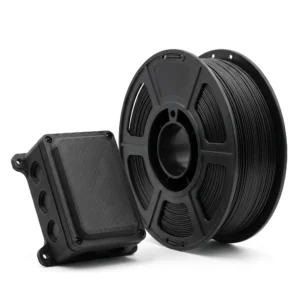
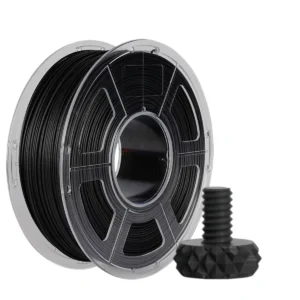
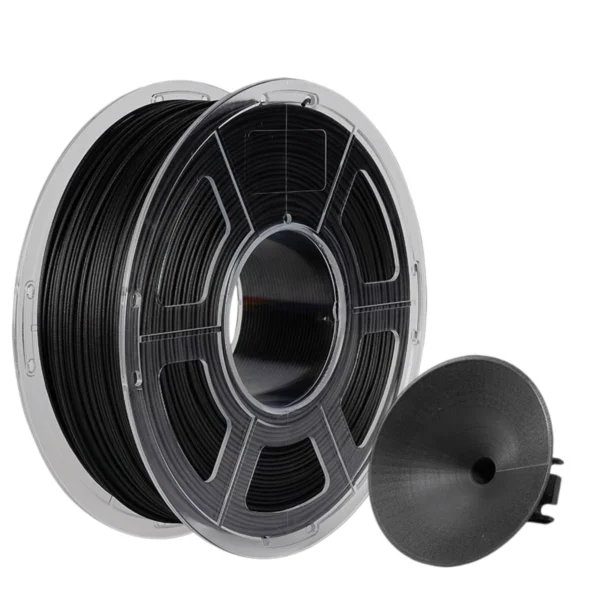
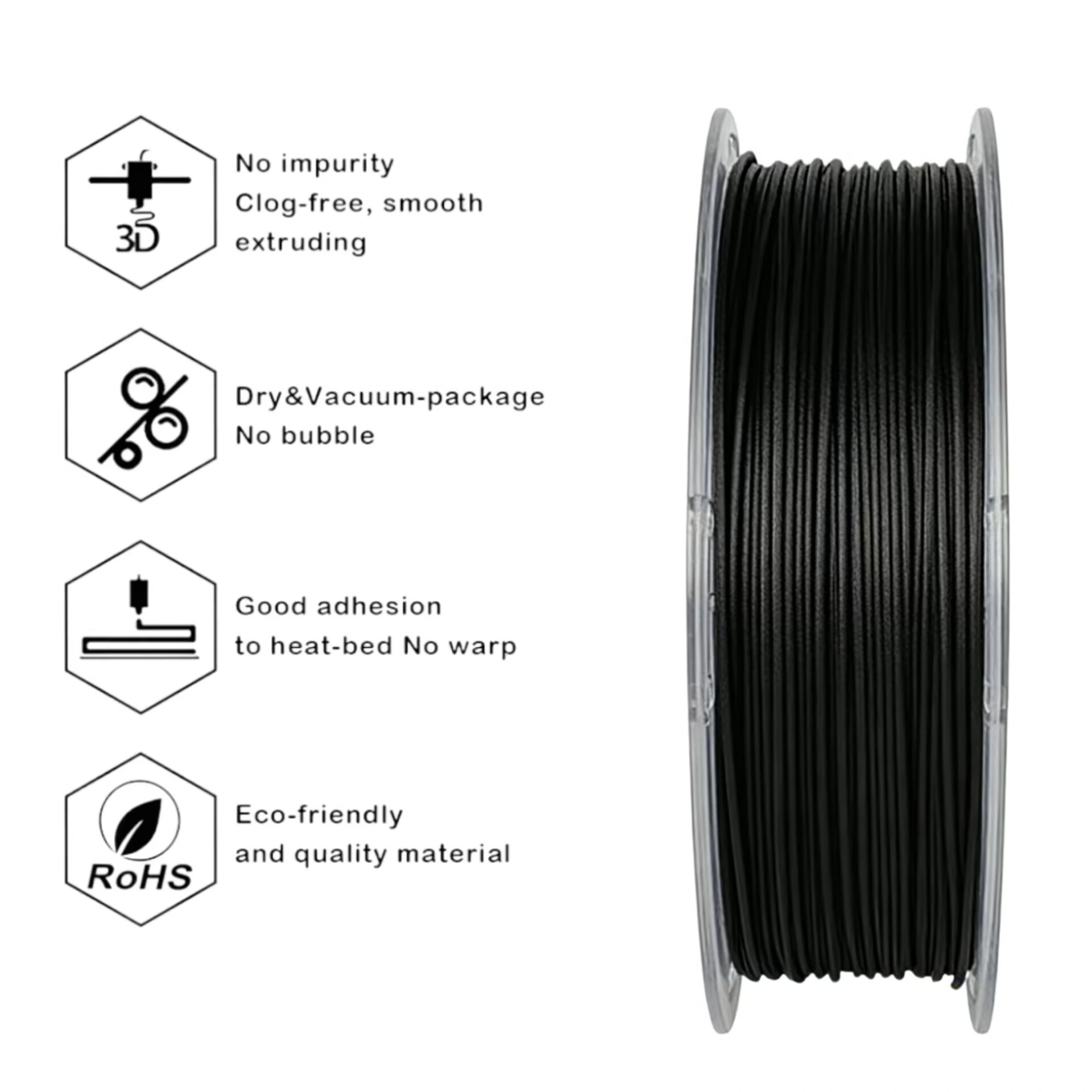
PPA-GF 3D Printing Filament 1.75mm 1kg – Glass Fiber Reinforced High-Temperature Engineering Polymer for Industrial Functional Parts
Professional glass fiber reinforced PPA filament for industrial buyers, distributors, OEM partners, and functional prototype applications requiring excellent thermal resistance and mechanical performance.
Designed for functional engineering applications where heat deflection, dimensional stability, and mechanical strength are critical. This high-performance PPA-GF material combines 20–30% glass fiber reinforcement with superior thermal properties for demanding industrial and prototype environments.
MaterialPPA + Glass Fiber
SeriesEngineering PA
Color EffectSolid Black
Diameter1.75mm
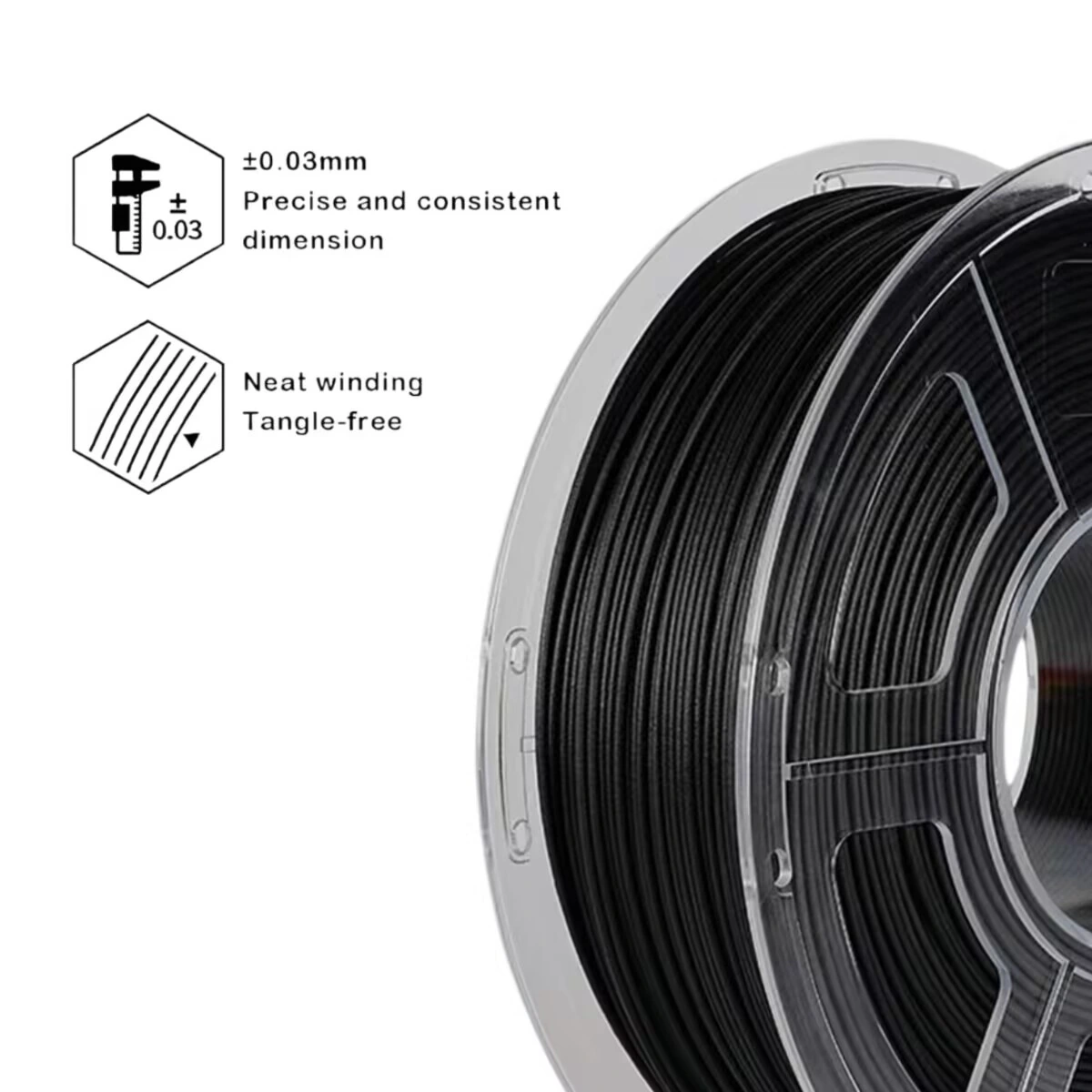
Tolerance±0.03mm
Net Weight1kg
Gross Weight1.3kg
Nozzle Temp260–290°C
Bed Temp70–100°C
Print Speed40–150 mm/s
PackagingVacuum + Desiccant
Spool TypePlastic Spool
MOQ: Neutral packaging from 50 rolls; OEM packaging typically 500–1,000 rolls.
Lead Time: Standard 7–15 working days; customized orders typically 15–25 working days.
Drying Required: 100°C for 6–8 hours before printing (mandatory for PPA-GF).
Product Overview
PPA-GF 3D Printing Filament 1.75mm 1kg is an engineering-grade material reinforced with 20–30% glass fiber, designed for functional prototype applications requiring excellent thermal resistance, good mechanical strength, and dimensional stability. This glass fiber reinforced polyphthalamide (PPA) compound delivers tensile strength of 90 MPa and heat deflection temperature (HDT) reaching 178°C, making it suitable for demanding industrial environments and end-use functional parts requiring high-temperature performance.
The glass fiber reinforcement provides enhanced stiffness with a tensile modulus of 4,870 MPa while maintaining good impact resistance and improved elongation (5–10%) compared to carbon fiber reinforced alternatives. This material is specifically formulated for FDM 3D printing applications where thermal performance and toughness balance are critical requirements.
Why This Product Stands Out
PPA-GF represents a practical solution for B2B buyers seeking high-temperature engineering filament with balanced mechanical properties. Unlike standard engineering materials, this glass fiber reinforced PPA delivers thermal and mechanical properties suitable for functional prototype and end-use part applications. Key advantages include HDT up to 178°C, tensile strength of 90 MPa, good toughness with 5–10% elongation, and excellent dimensional stability for precision functional parts in automotive, industrial equipment, and electronics applications.
Key Selling Points
High-Temperature Resistance
HDT up to 178°C enables functional parts for elevated-temperature operating environments.
Balanced Mechanical Strength
Tensile strength 90 MPa with good toughness (5–10% elongation) for functional applications.
Glass Fiber Reinforced
20–30% glass fiber content for enhanced stiffness and dimensional stability.
Functional Prototyping Ready
Suitable for end-use functional parts requiring thermal and mechanical performance.
Export-Oriented Supply
Suitable for distributors, industrial buyers, and OEM partners worldwide.
OEM / ODM Ready
Supports custom labels, packaging, and private-label development programs.
Key Features
| Feature | Practical Buyer Benefit |
|---|---|
| Heat Deflection 178°C (HDT @ 0.455 MPa) | Enables functional parts in high-temperature operating environments |
| Tensile Strength 90 MPa | Supports structural and load-bearing functional applications |
| Glass Fiber Content 20–30% | Enhanced stiffness and reduced thermal expansion |
| Good Toughness (5–10% Elongation) | Better impact resistance than brittle materials |
| 1.75mm Standard Diameter (2.85mm available) | Compatible with most open-material FDM printer ecosystems |
| Vacuum Sealed with Desiccant | Protects material quality during storage and transport |
Balanced Quality and Technical Excellence
This product is designed for B2B buyers who require functional prototype materials with verified thermal and mechanical performance. PPA-GF offers an excellent balance between heat resistance, mechanical strength, and toughness, making it suitable for applications requiring both thermal performance and impact resistance. The glass fiber reinforcement provides dimensional stability essential for precision functional parts, while the good elongation (5–10%) ensures better toughness compared to brittle materials. Typical applications include automotive components, industrial equipment, and electronics enclosures where thermal performance and durability are both important.
Why Choose This Product
- High heat resistance up to 178°C (HDT) for demanding environments
- Tensile strength of 90 MPa for structural functional applications
- Good toughness with 5–10% elongation for improved impact resistance
- Tensile modulus of 4,870 MPa for enhanced stiffness
- Suitable for functional end-use parts in industrial applications
- Vacuum-sealed packaging with desiccant for quality assurance
- Available for OEM/ODM and private-label programs
How We Work
1
Requirement Review
2
Technical Specification
3
Sample Evaluation
4
Application Testing
5
Production Arrangement
6
Quality Inspection & Shipment
Material Comparison Guide
| Material | Heat Resistance (HDT) | Tensile Strength | Toughness | Typical Applications |
|---|---|---|---|---|
| PPA-GF | ★★★★★ 126–178°C | ★★★★☆ 90 MPa | ★★★★☆ | Functional prototypes, industrial parts, high-temp applications |
| PPA-CF | ★★★★★ 176–214°C | ★★★★★ 117 MPa | ★★★☆☆ | High-temp functional parts, structural applications |
| PAHT / PA6-GF | ★★★★☆ 129–148°C | ★★★★☆ 71 MPa | ★★★★☆ | Functional parts, industrial applications |
| PETG | ★★★☆☆ 70–80°C | ★★★☆☆ 50 MPa | ★★★★☆ | Functional prints, mechanical parts |
| Standard PLA | ★☆☆☆☆ 50–60°C | ★★☆☆☆ 45–50 MPa | ★★★★☆ | Prototyping, decorative prints |
Technical Specifications
| Product Name | PPA-GF 3D Printing Filament 1.75mm 1kg |
|---|---|
| Material | Glass Fiber Reinforced Polyphthalamide (PPA) |
| Glass Fiber Content | 20–30% |
| Series | Engineering Filament / PA Series |
| Color / Effect | Solid Black |
| Filament Diameter | 1.75mm (2.85mm available on request) |
| Diameter Tolerance | ±0.03mm |
| Roundness Deviation | ≤0.02mm |
| Net Weight | 1kg (2.2 lbs) |
| Gross Weight | 1.3kg |
| Density | 1.28 g/cm³ (ISO 1183 / ASTM D792) |
| Spool Type | Plastic spool |
| Packaging | Vacuum sealed with desiccant |
| Printer Compatibility | Most 1.75mm open-material FDM printers with hardened steel or ruby nozzle (e.g. Bambu Lab, Prusa, Creality with enclosed chamber) |
| Typical Applications | Functional prototypes, end-use parts, high-temperature applications, automotive components, industrial equipment |
| OEM / ODM | Supported |
| Certifications | RoHS, SDS/MSDS, TDS, CE; SGS on request |
Mechanical & Thermal Properties
| Property | Typical Value | Test Standard |
|---|---|---|
| Tensile Strength (XY) | 90 ± 5 MPa | ISO 527-2 / ASTM D638 |
| Tensile Modulus (XY) | 4,870 MPa | ISO 527-2 / ASTM D638 |
| Elongation at Break | 5–10% | ISO 527-2 / ASTM D638 |
| Flexural Strength (XY) | 146 MPa | ISO 178 / ASTM D790 |
| Flexural Modulus (XY) | 4,956 MPa | ISO 178 / ASTM D790 |
| Izod Impact Strength (Notched) | 7–10 kJ/m² | ISO 180 |
| Charpy Impact Strength | 8–13 kJ/m² | ISO 179-1 |
| Shore D Hardness | 82 | ISO 868 / ASTM D2240 |
| Glass Transition Temperature (Tg) | 120°C | ISO 11357-2 / ASTM D3418 |
| Heat Deflection Temp (HDT @ 0.455 MPa) | 178°C | ISO 75-2 / ASTM D648 |
| Heat Deflection Temp (HDT @ 1.82 MPa) | 126°C | ISO 75-2 / ASTM D648 |
| Vicat Softening Temperature | 208°C | ISO 306 / ASTM D1525 |
| Melting Temperature | 310–325°C | ISO 11357-2 / ASTM D3418 |
| Continuous Use Temperature | 130–150°C | — |
| Water Absorption (24h, 23°C) | 0.15–0.3% | ISO 62 |
Recommended Print Settings
| Parameter | Recommended Guidance |
|---|---|
| Recommended Nozzle Temperature | 260–290°C (Optimal: 275°C) |
| Recommended Hot Bed Temperature | 70–100°C (Optimal: 85°C) |
| Chamber Temperature | 50–80°C (Heated chamber recommended) |
| Recommended Print Speed | 40–150 mm/s |
| First Layer Speed | 15–20 mm/s |
| Layer Fan Speed | 0% for first 3 layers; 20–30% after |
| Retraction Distance | 0.8–2 mm |
| Retraction Speed | 25–40 mm/s |
| Drying Conditions | 100°C for 6–8 hours before printing (mandatory) |
| Nozzle Material | Hardened steel or ruby nozzle required |
| Wall Count | 2–4 perimeters |
| Infill | 40–60% for functional parts; 20–30% for prototypes |
| Bed Adhesion | PEI / glass with adhesive / textured build plate |
Print Optimization Guide
| Item | Guidance |
|---|---|
| Drying Requirement | Mandatory: Dry at 100°C for 6–8 hours before printing to prevent steam formation and bubble defects |
| Enclosure / Heated Chamber | Recommended to maintain consistent temperature and reduce warping |
| Nozzle Selection | Hardened steel or ruby nozzle required to resist glass fiber abrasion |
| Print Speed | Keep within 40–150 mm/s for optimal extrusion and layer bonding |
| First Layer Adhesion | Clean build surface and proper bed leveling essential for PPA-GF |
| Humidity Control | Keep sealed with desiccant when not in use; dry before each print session |
| Warping Management | Use enclosed chamber and appropriate bed temperature to minimize thermal stress |
Printer Brand Starting Settings
| Printer Brand | Nozzle | Bed | Chamber | Notes |
|---|---|---|---|---|
| Bambu Lab (X1C/X1E/P1S) | 270–290°C | 80–100°C | Enclosed | Use a hardened nozzle; heated chamber preferred when available |
| Prusa (MK4S/MK4/MK3S+) | 270–290°C | 80–100°C | External enclosure | Recommended enclosure for better thermal stability |
| Creality (K1C/K2 Plus) | 270–290°C | 80–100°C | Enclosed | Use a hardened nozzle; active chamber heating preferred when available |
| QIDI (Plus4) | 270–290°C | 80–100°C | 50–65°C | Actively heated chamber and fiber-filament-capable hotend |
| ELEGOO (Centauri Carbon) | 270–290°C | 80–100°C | Enclosed | FDM system with hardened nozzle and glass-fiber filament support |
These values are printer-specific starting references only, not guaranteed universal settings. Final results depend on nozzle size, build surface, slicer configuration, chamber temperature, and model geometry. Always dry the filament before printing.
Performance Characteristics
| Characteristic | Assessment | Notes |
|---|---|---|
| Heat Resistance | ★★★★★ | HDT up to 178°C (0.455 MPa) – excellent for elevated-temp applications |
| Tensile Strength | ★★★★☆ | 90 MPa – suitable for structural functional parts |
| Stiffness / Modulus | ★★★★☆ | 4,870 MPa tensile modulus – good stiffness for functional parts |
| Toughness | ★★★★☆ | 5–10% elongation – better impact resistance than brittle materials |
| Dimensional Stability | ★★★★☆ | Good thermal stability with glass fiber reinforcement |
| Printability | ★★★☆☆ | Requires proper drying and heated chamber for best results |
Applications
| Application | Suitability | Notes |
|---|---|---|
| Functional Prototypes | ★★★★★ | End-use quality functional parts for product development |
| Automotive Components | ★★★★★ | Heat-resistant parts for engine bay and interior applications |
| Industrial Equipment | ★★★★★ | Functional brackets, housings, and mechanical parts |
| Electronics Enclosures | ★★★★☆ | Heat-resistant enclosures for electronics with thermal demands |
| Tooling / Jigs | ★★★★★ | Durable fixtures and work-holding devices |
| UAV / Drone Parts | ★★★★☆ | Lightweight structural components with thermal requirements |
Storage Guide
- Store in a cool, dry place with relative humidity below 50%
- Keep sealed with desiccant when not in use
- Dry at 100°C for 6–8 hours before each printing session (mandatory)
- Avoid prolonged exposure to atmospheric humidity
- Recommended storage temperature: 15–25°C (59–77°F)
OEM / ODM Services
SSSray supports OEM / ODM cooperation for industrial buyers, distributors, private-label brands, and OEM partners. Service options include neutral packaging, custom labels, branded boxes, product line matching, and project-based private-label development programs.
MOQ Reference: Neutral packaging from 50 rolls; OEM packaging typically 500–1,000 rolls. For custom specifications or technical requirements, please contact our sales team for detailed discussion.
Quality Control
- Diameter and roundness tolerance control
- Glass fiber content verification (20–30%)
- Mechanical property batch testing (tensile, flexural, impact)
- Thermal property verification (HDT, Tg)
- Winding appearance and spool inspection
- Vacuum packaging and desiccant inclusion check
- Shipment preparation and export packaging review
Certifications
- RoHS – Restriction of Hazardous Substances (EU Directive 2015/863/EU compliant)
- CE Marking – European Conformity certified
- SDS / MSDS – Safety Data Sheet available
- TDS – Technical Data Sheet available
- SGS test report available on request
Frequently Asked Questions
What is the MOQ for this product?
Neutral packaging typically starts from 50 rolls. OEM packaging usually ranges from 500 to 1,000 rolls depending on customization scope. For special requirements or custom specifications, please contact our sales team.
Why is drying mandatory for PPA-GF?
PPA-GF is hygroscopic and can absorb moisture from the environment. Moisture in the filament causes steam formation during extrusion, leading to bubbles, stringing, poor layer bonding, and print defects. Drying at 100°C for 6–8 hours before printing is essential to achieve optimal print quality and mechanical properties.
What nozzle type is required for PPA-GF?
A hardened steel nozzle or ruby nozzle is strongly recommended. Standard brass nozzles wear rapidly when extruding glass fiber reinforced materials due to the abrasive nature of the glass fibers. Using a hardened nozzle ensures consistent diameter control and prevents nozzle blockages during extended prints.
Is a heated chamber necessary for PPA-GF printing?
A heated chamber (50–80°C) is strongly recommended for PPA-GF. The enclosed environment helps maintain consistent thermal conditions during printing, which reduces warping, improves layer bonding, and enables better dimensional accuracy for functional parts. While some printers can print PPA-GF without an enclosure, results will be significantly better with one.
What printers are compatible with PPA-GF?
PPA-GF is suitable for high-temperature 1.75mm open-material FDM printers with hardened nozzle capability and (preferably) an enclosed build chamber. Suitable configurations include Bambu Lab X1C/X1E/P1S, enclosed Prusa MK4S/MK4/MK3S+, Creality K1C/K2 Plus, QIDI Plus4, and ELEGOO Centauri Carbon. Direct-drive extruders generally provide better results than Bowden setups for this material.
What is the difference between PPA-GF and PPA-CF?
PPA-GF (Glass Fiber) offers better toughness (5–10% elongation) and is easier to print with less warping tendency. PPA-CF (Carbon Fiber) offers higher tensile strength (117 MPa vs 90 MPa), higher stiffness (7,728 MPa vs 4,870 MPa), and higher heat resistance (HDT 214°C vs 178°C). PPA-GF is better for applications requiring impact resistance, while PPA-CF is better for applications requiring maximum strength and thermal performance.
Can SSSray provide custom formulations or OEM packaging?
Yes. We support OEM / ODM cooperation including custom formulations, private labels, branded packaging, and specialized spool designs for qualified B2B partners. Please discuss your specific requirements with our technical and commercial team for feasibility assessment and project planning.
What is the lead time?
Standard orders are typically 7–15 working days. Customized orders (including OEM packaging, custom labels, or non-standard spool configurations) are typically 15–25 working days depending on production arrangement and order volume.
Looking for a High-Temperature Engineering Filament Supplier?
Contact SSSray for bulk pricing, sample evaluation, OEM / ODM discussion, and export-oriented supply support for PPA-GF Glass Fiber Filament.
Additional Information
| Color | Solid Black |
|---|---|
| Filament Diameter | 1.75mm (2.85mm available on request) |
| Spool Weight | 1kg Net Weight |
| Gross Weight | 1.3kg |
| Material | PPA with Glass Fiber (20–30%) |
| Packaging | Vacuum sealed with desiccant |
| Spool Type | Plastic spool |
| Standard Tolerance | ±0.03mm |
| Brand | SSSray |
| Product Series | Engineering Filament / PA Series |
Packaging Gallery
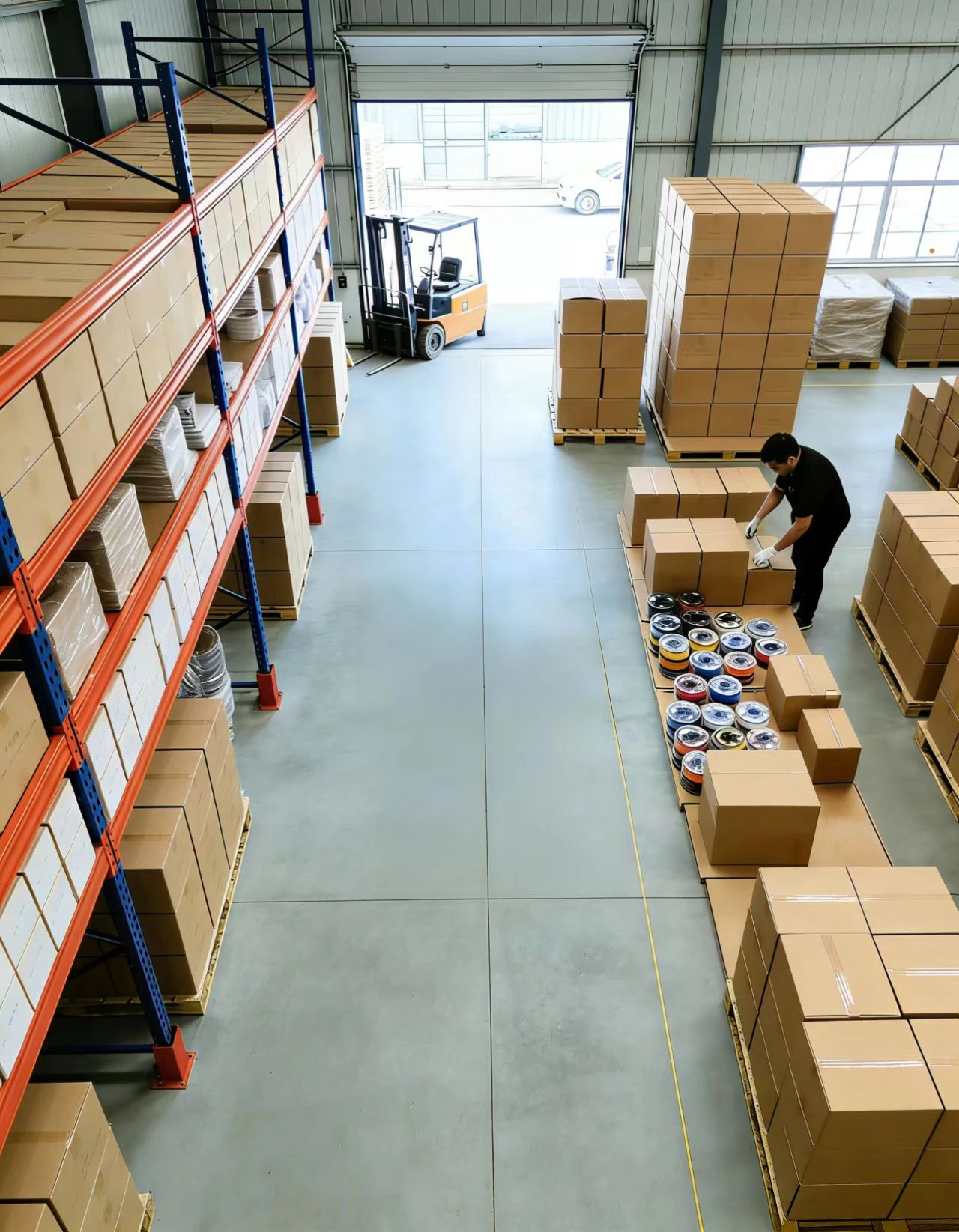
Our Protection Measures
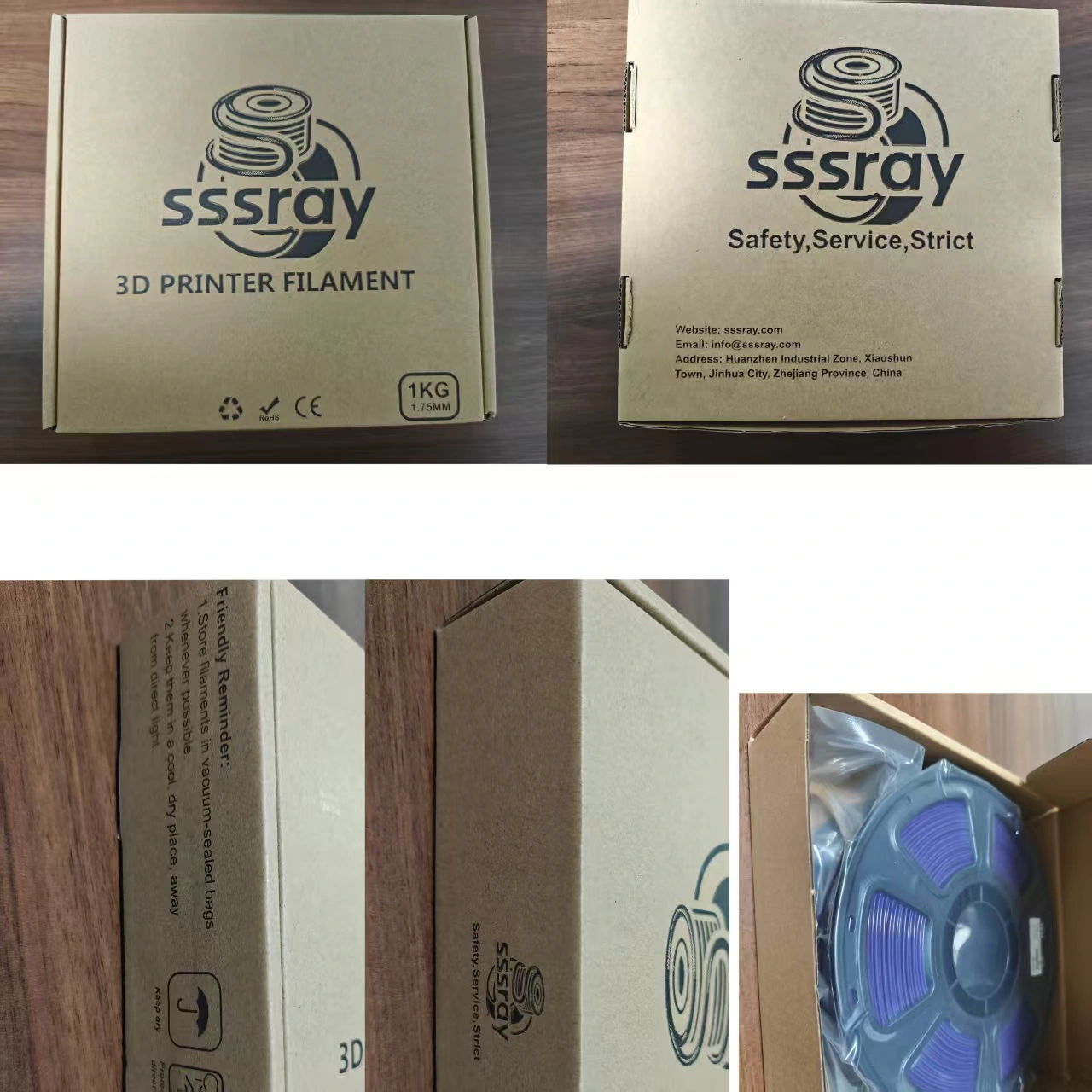
- Vacuum-sealed bag packaging for moisture protection
- Desiccant included in each unit
- Individual box support available
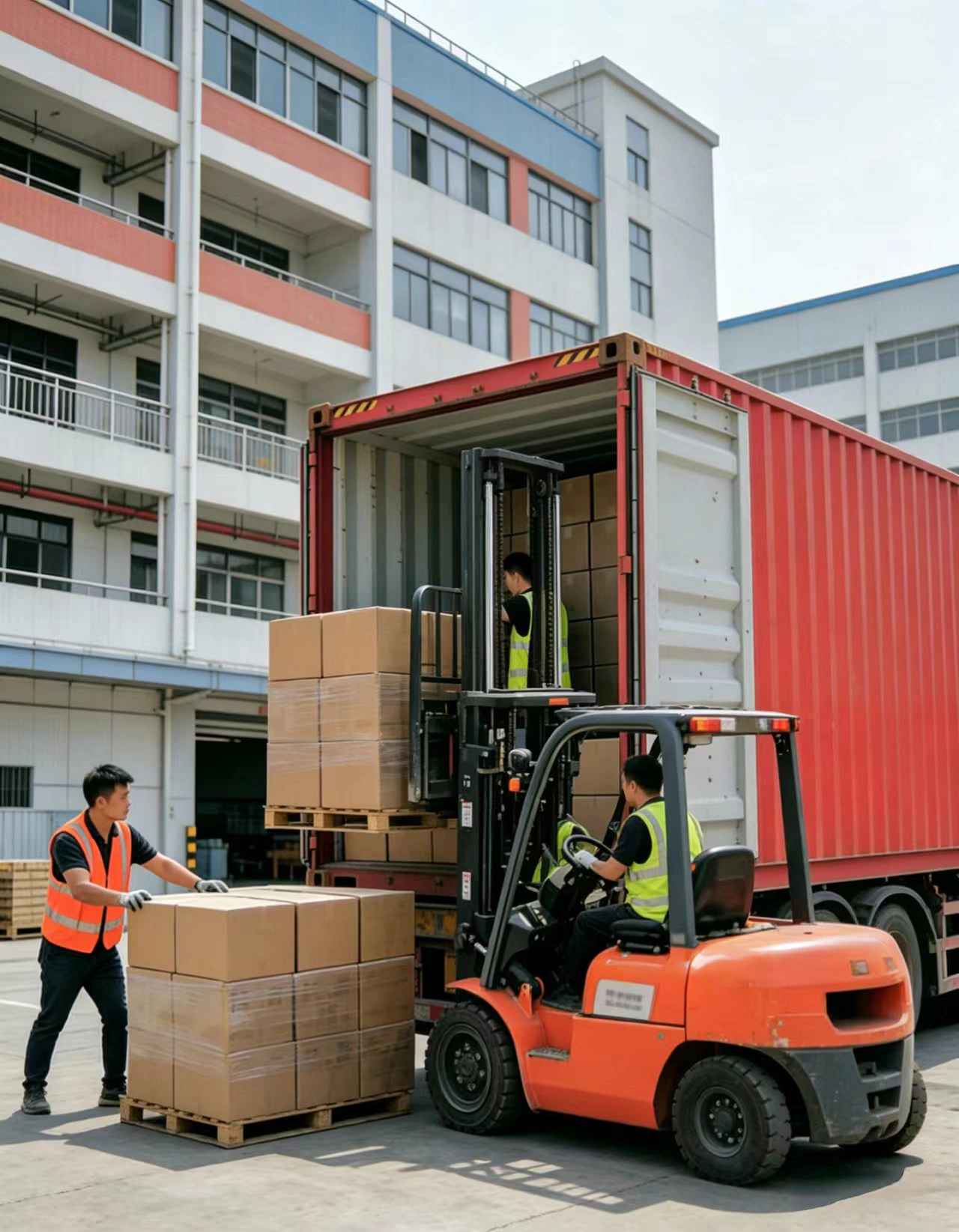
- Export carton packing for bulk orders
- Moisture barrier and humidity indicator options
- Shipment-ready outer carton preparation
Carton Reference
| Packing Reference | Typical Description |
|---|---|
| Inner Unit | 1 roll / box |
| Master Carton Quantity | Based on order arrangement and packaging format |
| Carton Type | Export standard carton |
| Carton Dimensions | May vary depending on spool style and box format |
| Palletization | Available upon shipment planning |
| Labeling | Neutral / custom OEM labels available |
Carton dimensions and packing quantity may vary depending on packaging style, spool type, and customization requirements. Please confirm with supplier before production.
B2B Supply Terms
| MOQ | Neutral packaging from 50 rolls; OEM packaging typically 500–1,000 rolls |
|---|---|
| Available Colors | Standard black; custom colors available for OEM orders |
| Diameter Options | 1.75mm standard; 2.85mm for selected products or upon request |
| Spool Design | Standard plastic spool or customized spool options |
| Sample Orders | Qualified buyers may receive sample support after review; typically up to 3 rolls |
| Payment Methods | T/T for all orders; PayPal for small trial orders |
| L/C Terms | Considered only for selected large-volume existing customers after evaluation |
| Trade Terms | FOB Ningbo / EXW |
| Standard Payment Terms | 30% deposit, 70% balance before shipment |
| Lead Time | Standard 7–15 working days; customized 15–25 working days |
| Port of Loading | Ningbo, China |
| OEM / ODM | Supported |