Online time
Monday to Friday: 9AM - 8PM
Weekend: 10AM - 5PM


PLA-CF Carbon Fiber Series | Deep Violet | Wholesale & OEM
SSSray 3D Printer Filament: Deep Violet PLA-CF Carbon Fiber PLA, 1.75mm – Kohlefaser-PLA-Filament Lila for Adjustable Brackets & Handwheels
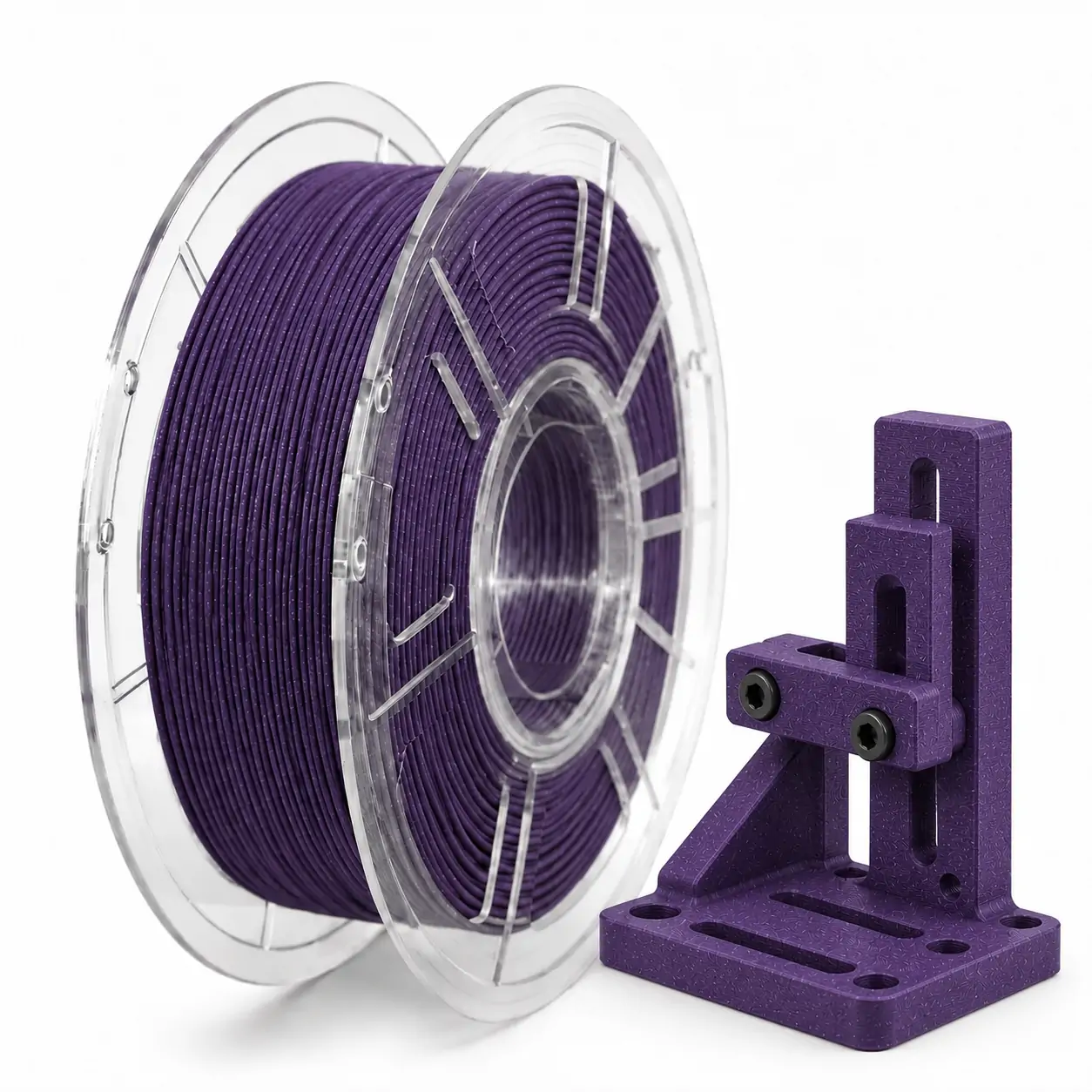
Deep Violet carbon-fiber reinforced PLA for rigid matte parts, adjustable brackets, knurled handwheels, fixture controls, and B2B private-label programs.
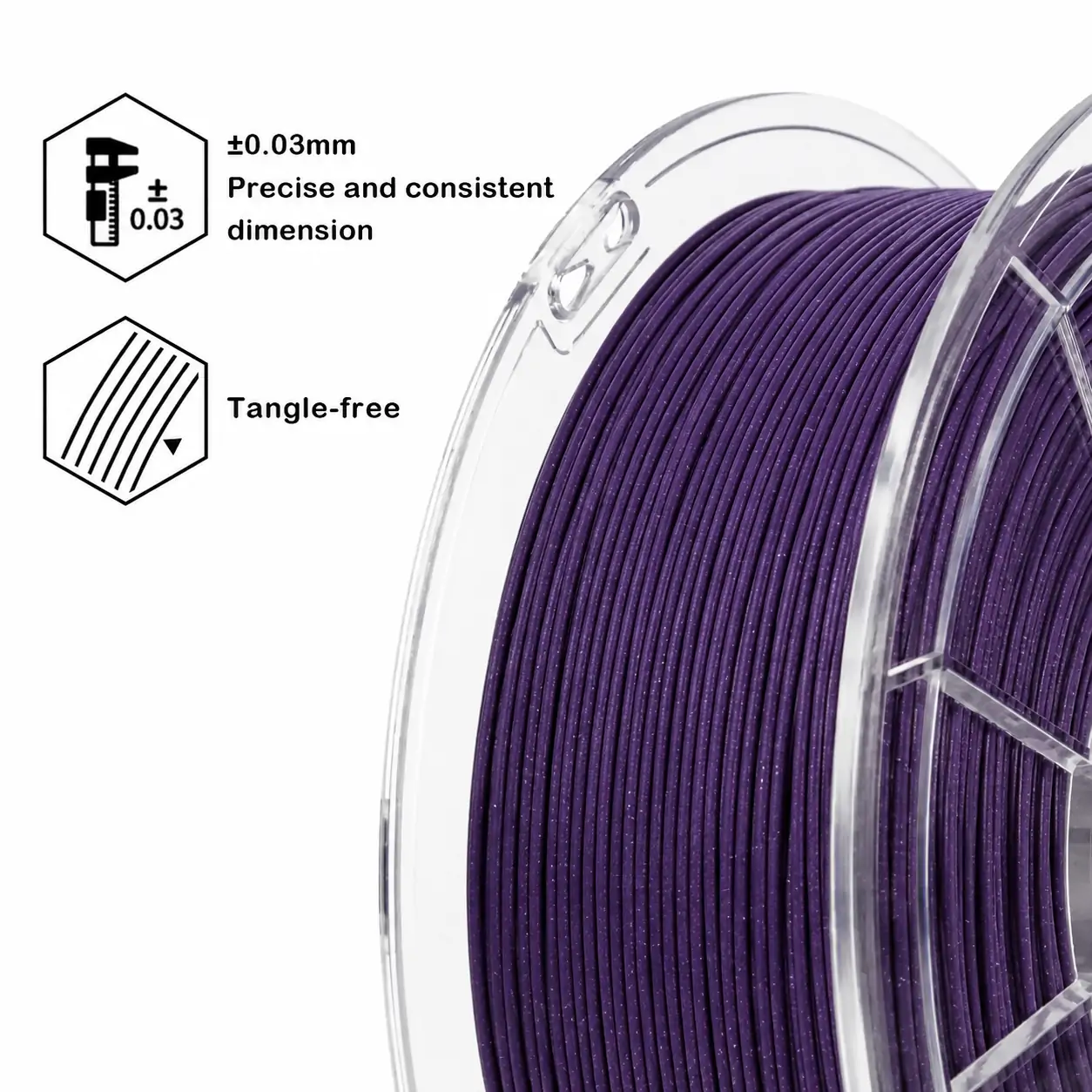
Built for buyers who want a distinctive dark-violet engineering-style finish without moving to a high-temperature polymer platform, this PLA-CF combines a low-reflection fibrous surface, stable ±0.03mm diameter control, practical PLA-based processing, and export-oriented bulk supply support.
MaterialPLA-CF
SeriesPLA-CF Carbon Fiber
Color EffectDeep Violet Matte
Diameter1.75mm / 2.85mm on Request
Tolerance±0.03mm
Net Weight1kg
Gross Weight1.3kg
Nozzle Temp210–230°C
Bed Temp50–60°C
Print Speed60–120 mm/s
PackagingVacuum + Desiccant
Spool TypePlastic Spool
MOQ: Neutral packaging from 50 rolls; OEM packaging typically 500–1,000 rolls.
Lead Time: Standard 7–15 days; customized orders typically 15–25 days.
Product Overview
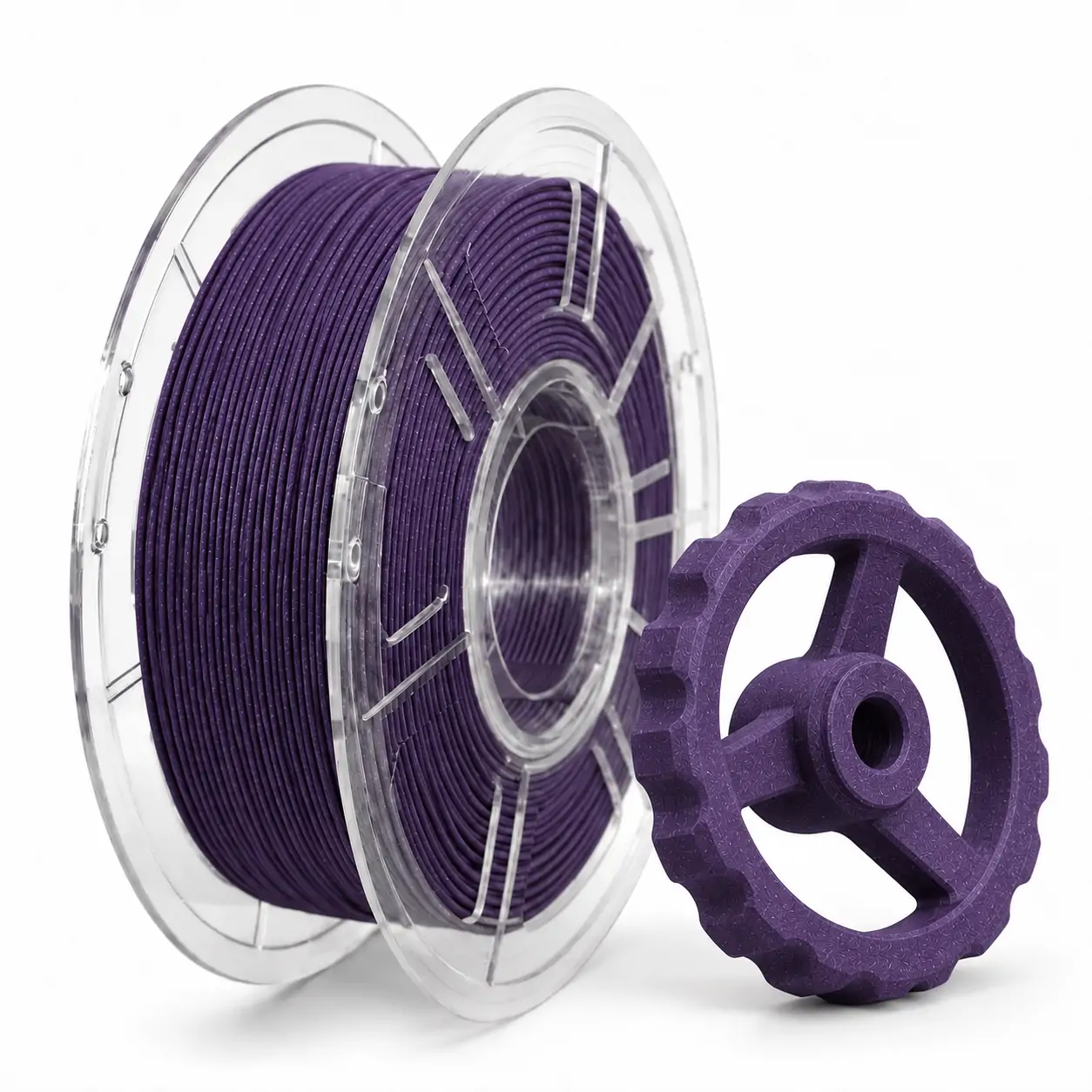
We developed Deep Violet PLA-CF for buyers who need a rigid, low-reflection filament with a more technical appearance than standard glossy PLA. The rich violet tone carries a slight blue-violet cast rather than a pastel or lilac look, while fine carbon-fiber flecks create an even matte texture that visually softens layer lines. This combination works particularly well for adjustable brackets, slotted fixtures, handwheels, control knobs, jigs, mounts, and prototype hardware where shape definition and a professional finish both matter.
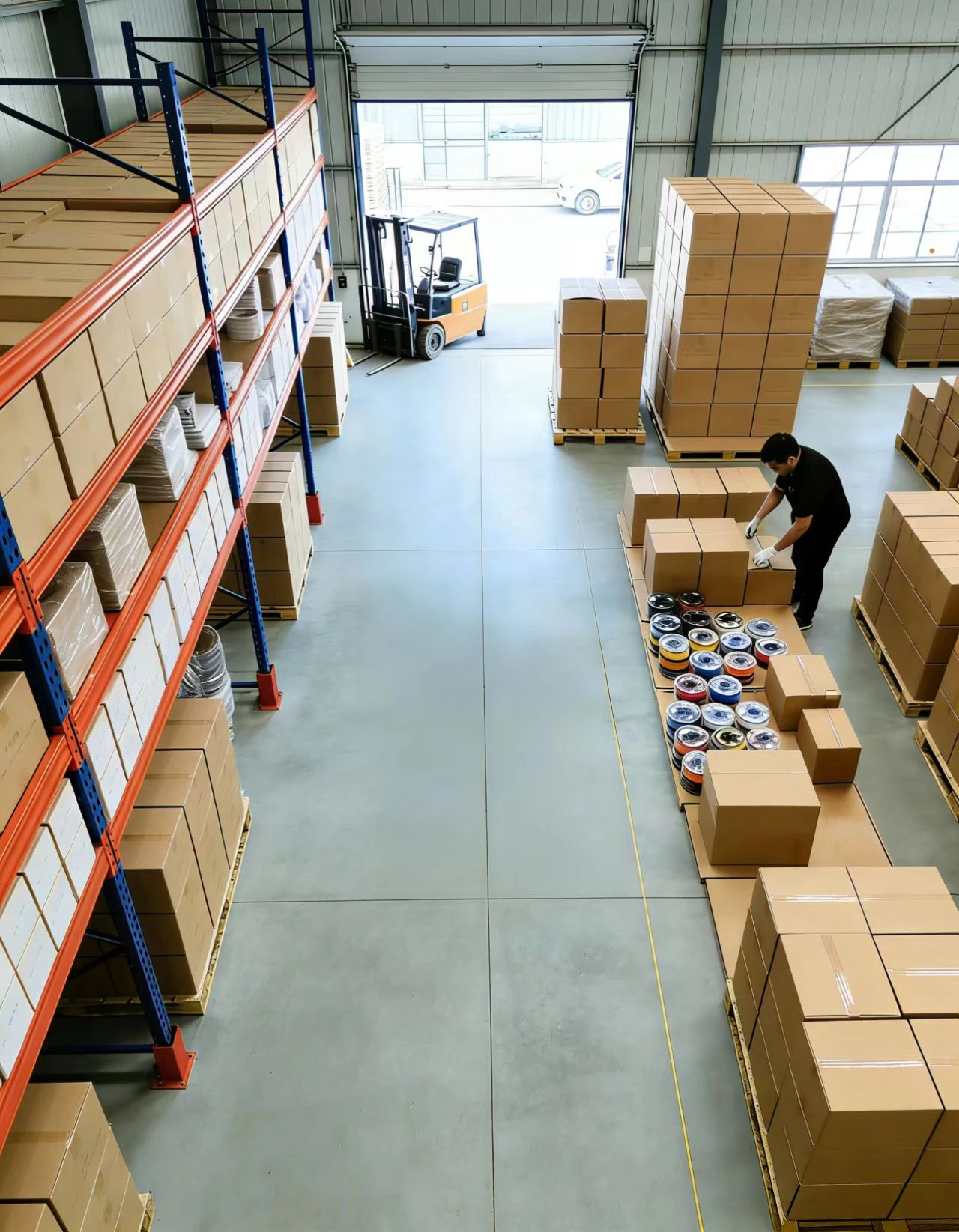
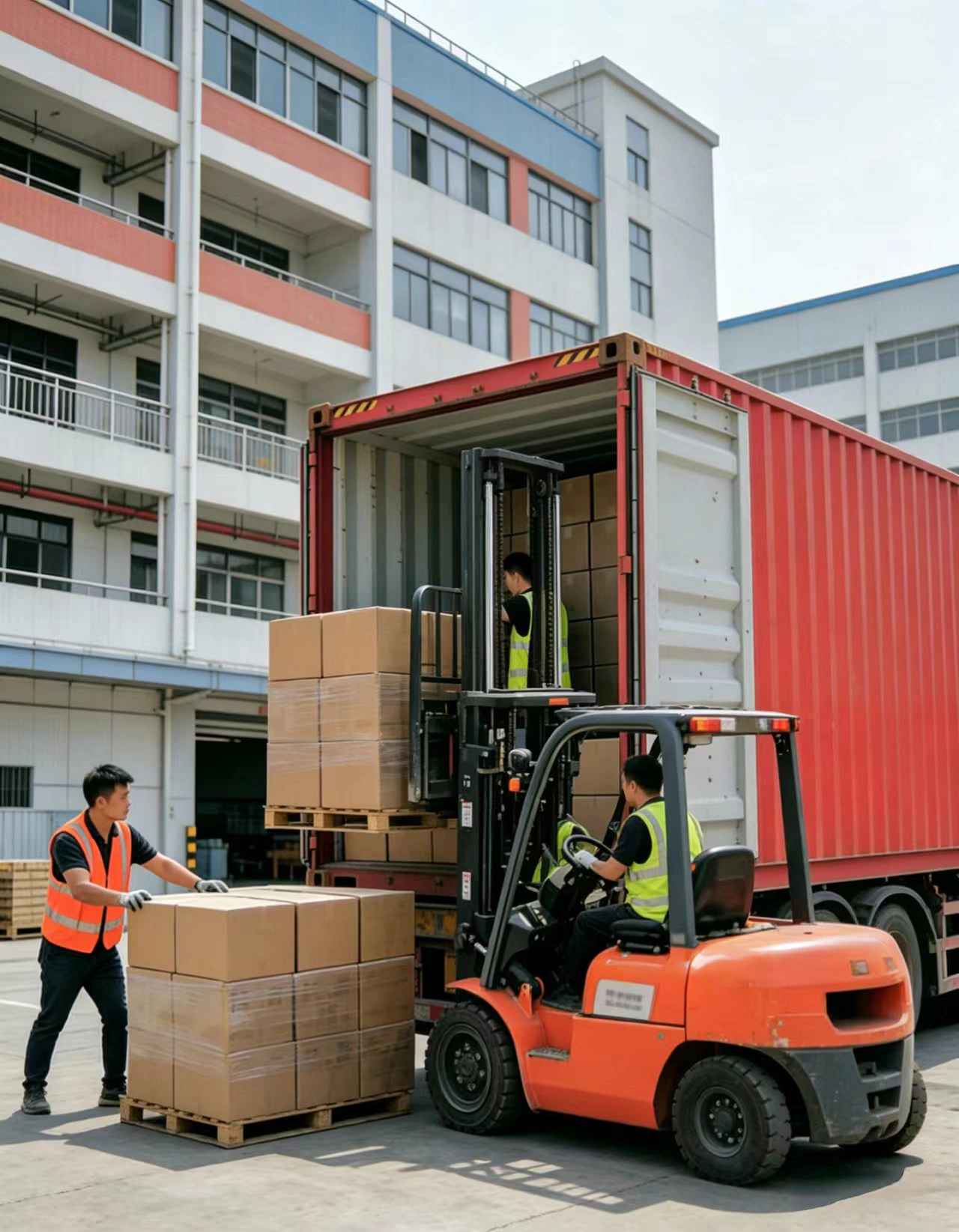
For wholesale and private-label programs, the SKU is supplied in a standard 1kg plastic spool format with a ±0.03mm diameter target, vacuum sealing and desiccant. The material is intended for practical PLA-CF processing on 1.75mm FDM/FFF platforms equipped for abrasive filament. We support neutral-pack wholesale, OEM packaging, custom labeling, color-program discussion, qualification samples, and export shipments under FOB Ningbo or EXW terms.
Why This Product Stands Out
Deep Violet gives distributors and private-label programs a clear color position alongside standard black and gray PLA-CF. Its solid matte violet appearance creates an identifiable SKU for catalogs and sample programs, while the PLA-based processing window keeps qualification closer to conventional PLA workflows than higher-temperature engineering composites. This makes it a practical choice for buyers expanding a composite range without requiring a high-temperature polymer platform.
Key Selling Points
Deep Violet Matte CF Finish
Rich blue-violet tone with a low-reflection fibrous texture for distinctive industrial-looking parts.
Fixture-Oriented Rigidity
Carbon-fiber filled PLA behavior suits shape-holding brackets, knobs, handwheels, jigs and adjustment hardware.
Stable ±0.03mm Diameter
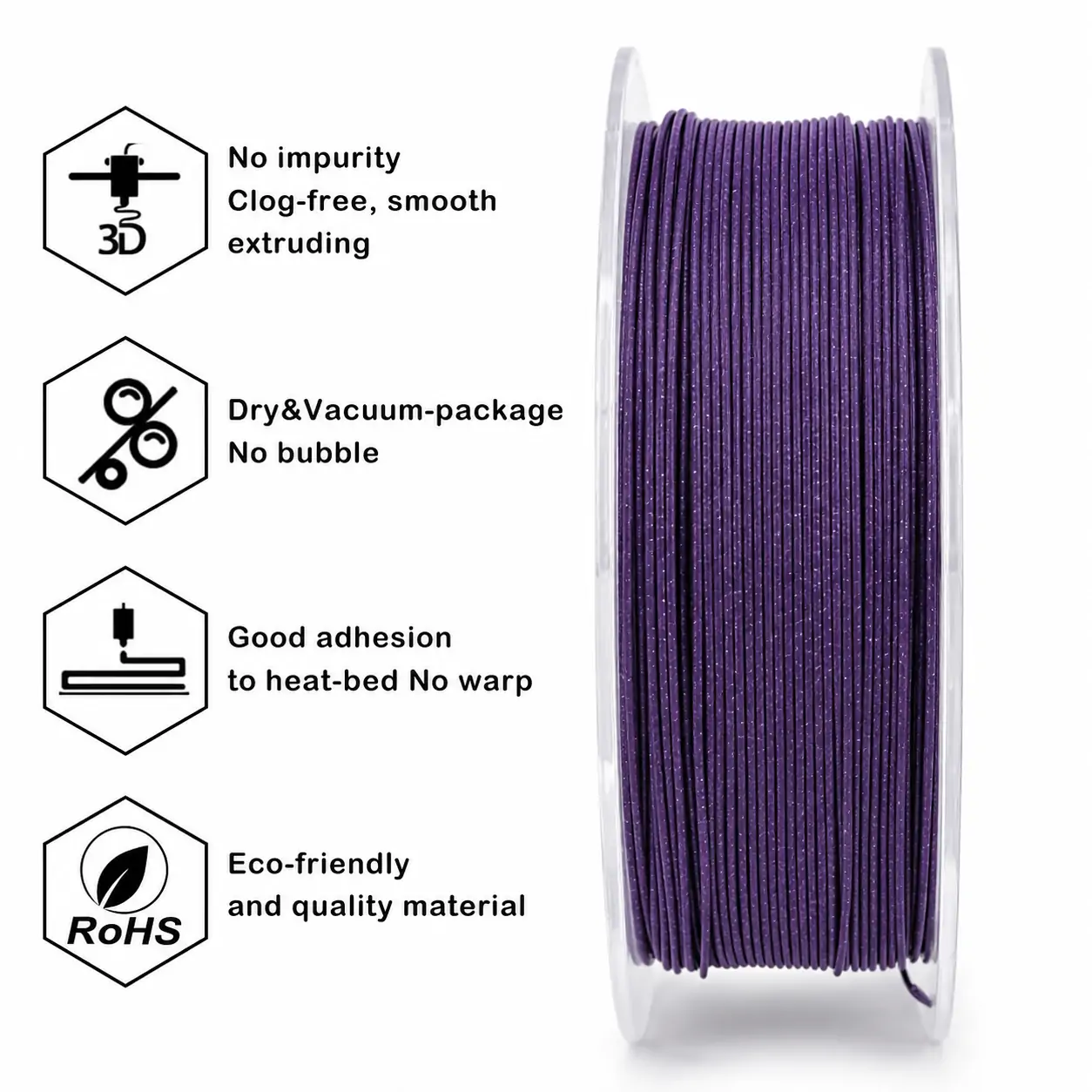
Controlled filament diameter supports repeatable feeding across routine B2B qualification and production runs.
Abrasive-Filament Guidance
Use an abrasion-resistant hardened nozzle; 0.4mm is practical, while 0.6mm is preferred for lower clogging risk and stable longer production runs.
Wholesale-Ready Format
1kg spool, vacuum bag and desiccant support distributor, reseller and private-label inventory programs.
OEM / ODM Support
We support custom labels, branded boxes, spool options and project packaging for bulk and OEM orders.
From Color Approval to Bulk Shipment
1
Requirement & Market Review
2
Color / Specification Confirmation
3
Qualification Sample
4
Label & Packaging Approval
5
Bulk Production
6
Final QC & Shipment
Material Comparison Guide
| Material | Typical Surface | Typical Print Conditions | Material Behavior | Typical Use |
|---|---|---|---|---|
| PLA-CF | Matte, fine fibrous texture | Approx. 210–230°C nozzle / 50–60°C bed | PLA-based, stiff feel, low warping; abrasive filler requires hardened nozzle | Brackets, handwheels, jigs, fixtures, visual-functional prototypes |
| PLA+ / Tough PLA | Smooth to semi-matte | Approx. 200–230°C nozzle / 45–60°C bed | Unfilled PLA family with easier nozzle compatibility and a more conventional surface | General-purpose functional parts, housings, daily-use prints |
| PETG-CF | Matte composite texture | Approx. 230–260°C nozzle / 70–80°C bed | PETG-based composite with a higher processing window than PLA-CF | Machine mounts, brackets, tooling and practical functional parts |
| PA-CF | Matte engineering composite | Approx. 260–300°C nozzle / 70–90°C bed | Moisture-sensitive nylon-CF system with more demanding drying and processing requirements | Engineering fixtures, structural prototypes and demanding functional components |
Technical Specifications
| Product Name | SSSray 3D Printer Filament: Deep Violet PLA-CF Carbon Fiber PLA, 1.75mm – Kohlefaser-PLA-Filament Lila for Adjustable Brackets & Handwheels |
|---|---|
| Material | PLA-CF (Carbon Fiber Reinforced PLA) |
| Series | SSSray PLA-CF Carbon Fiber Series – Matte Adjustable Fixtures & Hand-Operated Parts |
| Color / Effect | Deep Violet; rich dark purple with a slight blue-violet tone, matte low-reflection finish and fine carbon-fiber flecks |
| Filament Diameter | 1.75mm standard; 2.85mm available on request |
| Tolerance | ±0.03mm |
| Net Weight | 1kg standard; 3kg / 5kg project supply available on request |
| Gross Weight | 1.3kg |
| Spool Type | Plastic spool |
| Packaging | Vacuum sealed with desiccant |
| Nozzle Requirement | Abrasion-resistant hardened nozzle; 0.4mm practical, 0.6mm preferred for lower clogging risk and stable longer production runs |
| Printer Compatibility | Most open-material 1.75mm FDM/FFF printers configured for abrasive composite filament |
| Typical Applications | Adjustable brackets, slotted fixtures, handwheels, control knobs, jigs, mounts and prototype hardware |
| OEM / ODM | Supported |
| Technical Documents | TDS / SDS support plus compliance documentation options for bulk and OEM programs |
Recommended Print Settings
| Parameter | Recommended Guidance |
|---|---|
| Recommended Nozzle Temperature | 210–230°C |
| Usable Nozzle Range | 190–240°C; use 225–240°C for calibrated high-flow printing |
| Recommended Bed Temperature | 50–60°C |
| Usable Bed Range | 35–60°C depending on build surface and first-layer adhesion |
| Recommended Print Speed | 60–120 mm/s |
| Usable Speed Range | 40–200 mm/s after flow, temperature and cooling calibration |
| Retraction – Direct Drive | 0.6–1.0mm at 20–40 mm/s starting reference |
| Retraction – Bowden | 2–4mm at 20–35 mm/s starting reference; tune for hotend path length |
| Layer Height | 0.20–0.28mm recommended with 0.4mm nozzle |
| Cooling Fan | 50–100% after the first layers; reduce only if layer bonding requires it |
| Wall Count | 3–4 perimeters for brackets, knobs and fixture parts |
| Infill | 20–35% general functional parts / 40–60% when higher section rigidity is needed |
| First Layer Speed | 20–30 mm/s |
| Bed Adhesion | Clean smooth or textured PEI; use a suitable glue layer when the surface or printer profile requires it |
| Drying | 55°C for 6–8h after extended humidity exposure or before critical production runs |
Print Optimization Guide
| Item | Guidance |
|---|---|
| Nozzle Choice | Use hardened steel, tungsten carbide, ruby or another abrasion-resistant nozzle; avoid sustained production with standard brass |
| Nozzle Diameter | 0.4mm is workable; 0.6mm is preferred when lower clogging risk and stable longer production runs matter more than very fine detail |
| Adjustable Brackets | Use 3–4 walls and orient slotted features so tightening loads are carried mainly in the XY plane where practical |
| Knurled Handwheels | Use 0.20–0.24mm layers and moderate outer-wall speed to keep grip edges crisp and the matte texture even |
| Surface Finish | Keep outer-wall flow stable and avoid excessive temperature that can make the surface glossier than intended |
| First Layer | Start at 20–30 mm/s on a clean plate and verify full line contact before increasing throughput |
| Moisture Control | Reseal with desiccant after use; dry before critical jobs if popping, rough extrusion or stringing appears |
| High-Speed Use | Increase temperature in small steps and validate volumetric flow before moving above the recommended production range |
Printer Brand Starting Settings
| Printer / Platform | Nozzle | Bed | Speed | Starting Notes |
|---|---|---|---|---|
| Bambu Lab X1 / P1 Series | 220–230°C | 45–55°C | 100–180 mm/s | Use hardened steel; 0.4mm works, 0.6mm is preferred for third-party CF/GF materials |
| Prusa MK4S / CORE One | 210–225°C | 50–60°C | 60–120 mm/s | Use ObXidian or another abrasion-resistant hardened nozzle; 0.20mm layer is a practical baseline |
| Creality K1 / K1 Max | 220°C | 45–55°C | 100–180 mm/s | Use an abrasion-resistant nozzle and confirm stable extrusion before sustained high-speed production |
| Flashforge Open-Material FFF | 210–225°C | 50–60°C | 80–150 mm/s | Use a 0.4 or 0.6mm abrasion-resistant nozzle; increase cooling for bridges and overhangs as needed |
Use these SSSray starting profiles to set up the first print, then fine-tune nozzle temperature, flow, cooling and speed for the printer, nozzle size and part geometry.
Performance Characteristics
| Characteristic | Material Behavior | Production Reference |
|---|---|---|
| Surface Appearance | Matte, low-reflection Deep Violet with fine visible carbon-fiber flecks | Useful where a technical finish and reduced layer-line reflection are preferred |
| Rigidity Behavior | Carbon-fiber reinforced PLA is typically stiffer than unfilled PLA | Well suited to brackets, handwheels, jigs and shape-holding prototypes |
| Warping Behavior | Low warping tendency under stable PLA-CF print conditions | Open-printer workflows are practical when first-layer adhesion is controlled |
| Nozzle Wear | Abrasive filler accelerates wear on standard soft nozzles | Use an abrasion-resistant hardened nozzle for repeatable production |
| Heat Service | PLA-based composite with a lower heat-service range than high-temperature engineering polymers | Validate service temperature before use near motors, heaters or hot enclosures |
| Color Presentation | Solid single color with no silk, metallic or gradient effect | Suitable for consistent catalog photography and private-label color programs |
Applications
| Application Focus | Practical Notes |
|---|---|
| Adjustable Brackets | Suitable for slotted mounting parts, angle-adjustment hardware and prototype fixture brackets where rigidity and clean geometry matter |
| Knurled Handwheels | Matte texture and defined grip edges suit manual controls, adjustment wheels and machine-interface prototypes |
| Jigs & Fixtures | Useful for alignment aids, positioning blocks, checking fixtures and light-duty production support parts |
| Control Knobs & Handles | Deep Violet creates clear visual differentiation for hand-operated controls and equipment prototypes |
| Mounts & Housings | Suitable for low-heat brackets, sensor mounts, covers and rigid prototype housings after load validation |
| Display-Grade Functional Prototypes | Low-reflection carbon-fiber texture gives presentation prototypes a more technical, finished appearance |
Storage Guide
- Keep sealed with desiccant when the spool is not in use
- For best production stability, maintain dry storage and avoid prolonged open-air exposure
- Dry at 55°C for 6–8 hours after extended humidity exposure or before critical qualification runs
- Keep the spool away from direct sunlight, heat sources and excessive drying temperatures that can deform the plastic spool
- Secure the filament end before storage to prevent loose winding and tangles during the next load
OEM / ODM Services
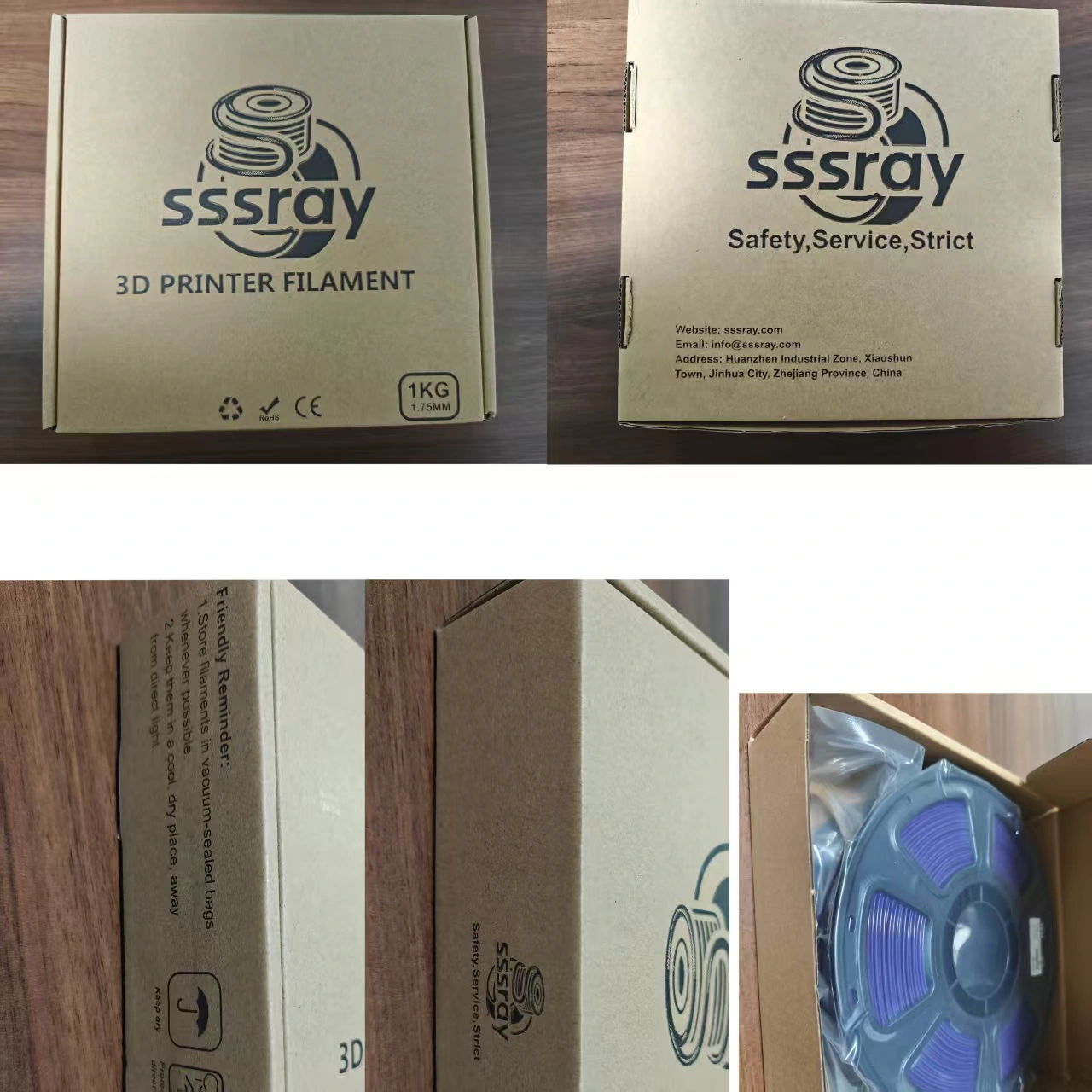
We support PLA-CF programs for distributors, wholesalers, private-label brands and OEM buyers that need more than a stock-color spool. For Deep Violet, options can include private labels, branded cartons, barcode and market-language labeling, custom spool presentation, 1kg retail programs, selected 3kg / 5kg bulk formats, and project-based 2.85mm supply. Color matching and packaging artwork are confirmed before bulk production so the commercial SKU stays consistent with your target market.
MOQ: Neutral packaging from 50 rolls; OEM packaging typically 500–1,000 rolls. Lead Time: Standard 7–15 days; customized programs 15–25 days.
Quality Control
- Diameter and ovality checks against the ±0.03mm target
- Deep Violet color and surface appearance checked against the approved production reference
- Winding condition and filament path inspected before final packing
- Net-weight and spool presentation checked for the ordered format
- Vacuum seal and desiccant inclusion checked before carton packing
- Labels, carton marks, quantity and shipment configuration reviewed before dispatch
Technical Documents for Bulk & OEM Programs
We support purchasing and quality teams with technical documents tied to the ordered PLA-CF SKU, helping distributors and OEM customers keep product specifications, safety information and requested compliance records organized for their market programs.
| Document / Compliance Item | Support for B2B Orders |
|---|---|
| TDS | Product specifications and recommended processing data for the ordered PLA-CF SKU |
| SDS / MSDS | Safety and handling information for purchasing, warehouse and downstream customer documentation |
| RoHS / REACH | Compliance document support is available for programs requiring these records |
| SGS / Third-Party Reports | Third-party report support can be included in bulk and OEM documentation packages where required |
Frequently Asked Questions
What is the MOQ for Deep Violet PLA-CF?
Neutral packaging starts from 50 rolls. OEM or private-label packaging typically starts from 500–1,000 rolls depending on packaging scope, label complexity and spool configuration.
Does PLA-CF require a hardened nozzle?
Yes. Carbon-fiber filled filament is abrasive. Use hardened steel, tungsten carbide, ruby or another abrasion-resistant nozzle. A 0.4mm nozzle is practical, while 0.6mm is preferred for lower clogging risk and stable longer production runs.
What parts is this Deep Violet PLA-CF best suited for?
We recommend it for adjustable brackets, slotted fixtures, handwheels, knobs, jigs, mounts and display-grade functional prototypes where rigidity, clean geometry and a matte technical surface matter.
What starting temperature should buyers use?
Start around 210–230°C at the nozzle and 50–60°C on the bed. For higher flow, increase temperature gradually within the usable range and validate extrusion before raising production speed.
Can SSSray provide OEM or private-label packaging?
Yes. We support branded labels, cartons, barcode and market-language labeling, custom spool presentation and other project-based packaging options for bulk and OEM orders.
Are samples available for qualification?
Verified B2B buyers can request up to 3 complimentary spools for material and printer qualification before a bulk program.
Should the filament be dried before printing?
For critical production runs or after extended humidity exposure, dry at 55°C for 6–8 hours and store the opened spool sealed with desiccant between jobs.
What technical or compliance documents can be supplied?
We support bulk and OEM programs with TDS and SDS/MSDS documentation, plus RoHS, REACH and third-party report support for projects that require these records. Tell us the destination market and document list during quotation so our sales team can prepare the appropriate package.
Source Deep Violet PLA-CF for Brackets & Handwheels
Build a differentiated carbon-fiber PLA line with a Deep Violet SKU designed for adjustable brackets, handwheels, fixtures and premium functional prototypes. Contact us for bulk pricing, qualification samples, private-label packaging and OEM / ODM project planning.
Related products
-

SSSray Graphite Black Carbon Fiber PLA-CF 3D Printer Filament 1.75mm – filament PLA z włóknem węglowym for Mechanical Brackets & Functional Prototypes
-
Industrial PA6/66 Nylon 3D Printing Filament 1.75mm 1kg – High Toughness & Heat Resistant Copolymer Nylon for Engineering Prototypes & Translucent Lamp Shades
-
High-Strength ABS-GF Filament 1.75mm 1kg – Glass Fiber Reinforced Engineering Grade for Industrial Functional Parts| OEM/ODM Bulk Supply
-
SSSray Carbon Fiber PLA (PLA-CF) 3D Printer Filament 1.75mm in Oxblood Red – filamento PLA con fibra de carbono rojo – for PCB Fixtures & Adjustable Holders


