Online time
Monday to Friday: 9AM - 8PM
Weekend: 10AM - 5PM

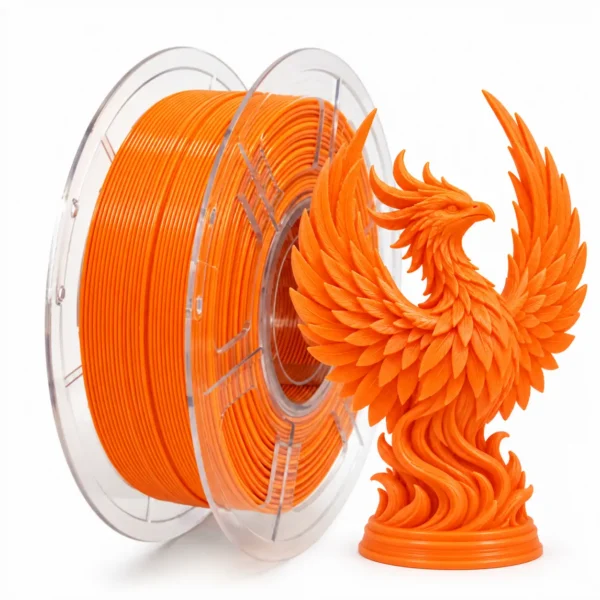
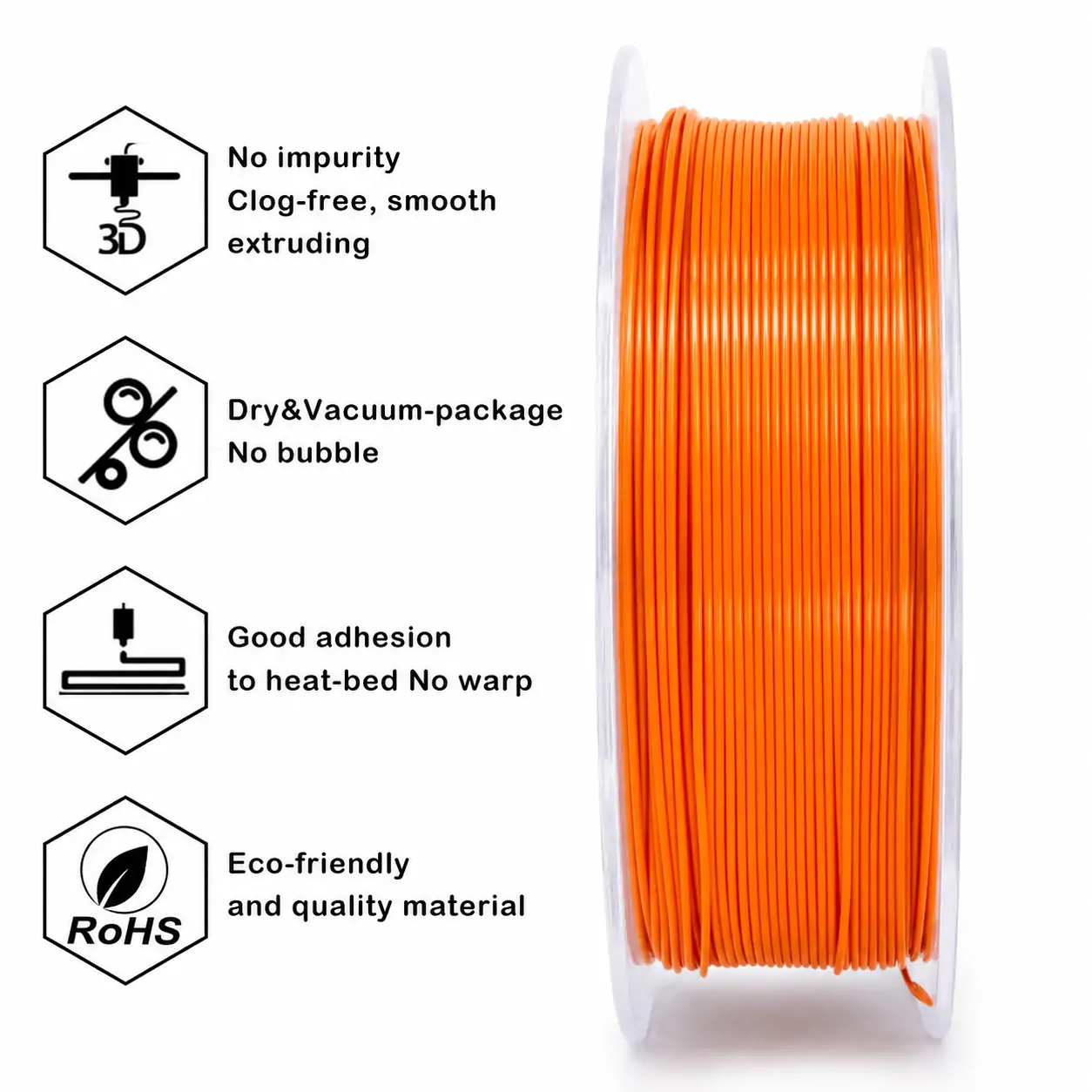
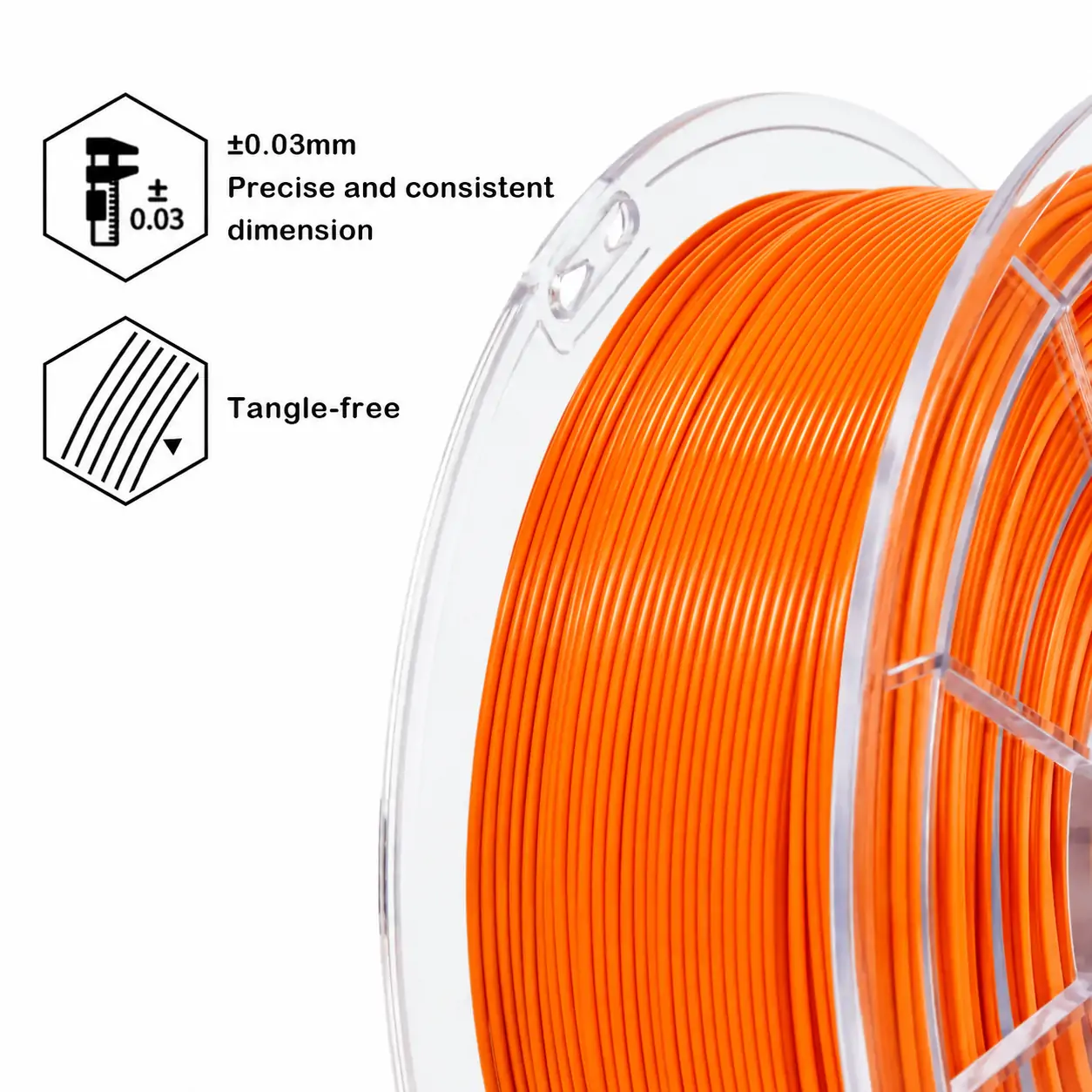
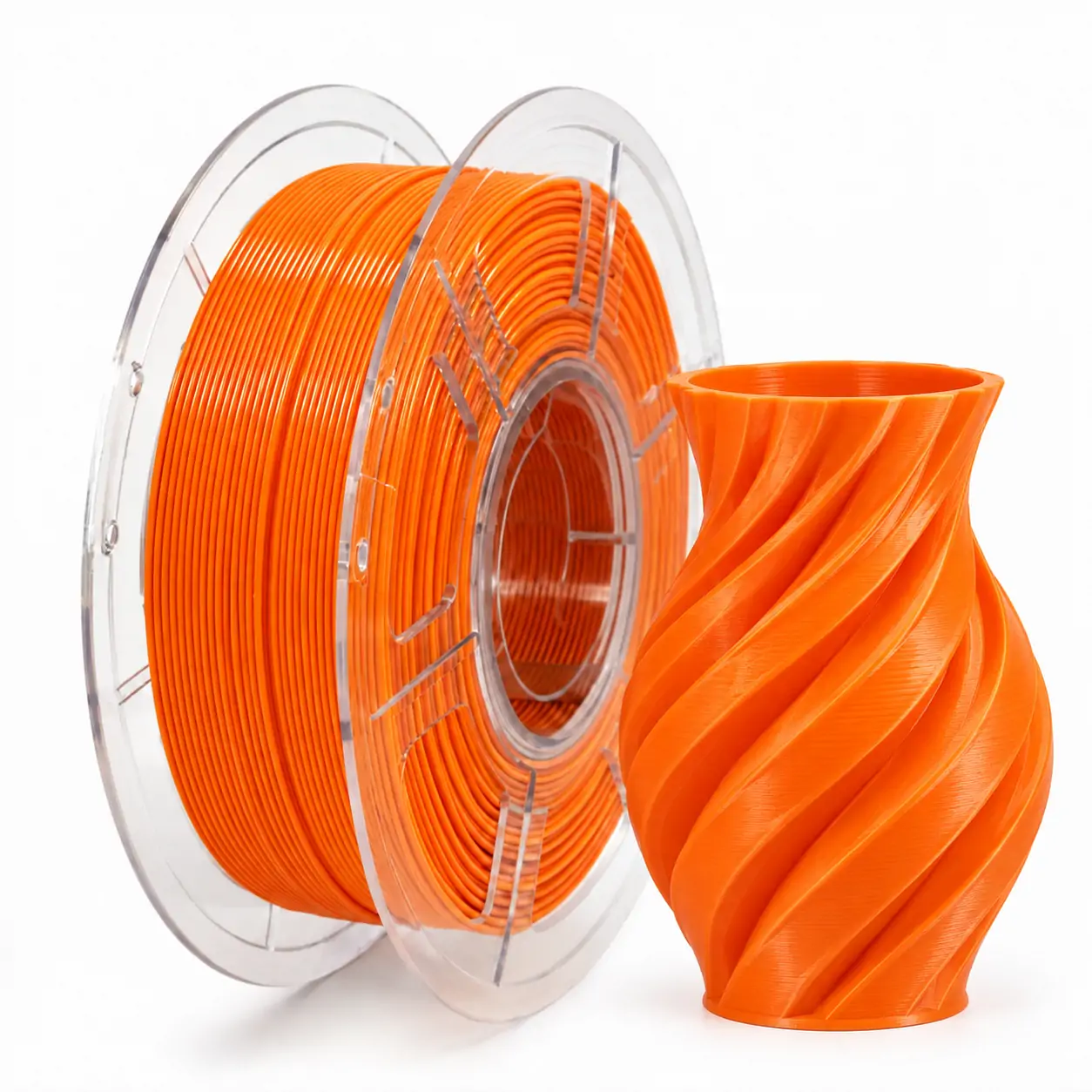
PETG Basic Series | Tangerine Orange | Wholesale & OEM Supply
Tangerine Orange PETG Filament for 3D-Printed Phoenix Statues & Fluted Vases – SSSray PETG Basic, Filamen PETG Oranye
Solid tangerine-orange PETG for detailed statues, fluted vases, decorative parts, retail filament programs, and private-label supply.
We supply this PETG Basic grade for buyers who need a vivid orange SKU with stable 1.75mm feeding, clean winding, dependable PETG processing, and a finish that shifts from glossy highlights on broad curves to a more satin appearance on dense surface detail.
MaterialPETG Basic
SeriesPETG Basic
Color EffectTangerine Orange
Diameter1.75mm
Tolerance±0.03mm
Net Weight1kg
Gross Weight1.3kg
Nozzle Temp235–250°C
Bed Temp70–80°C
Print Speed50–250 mm/s
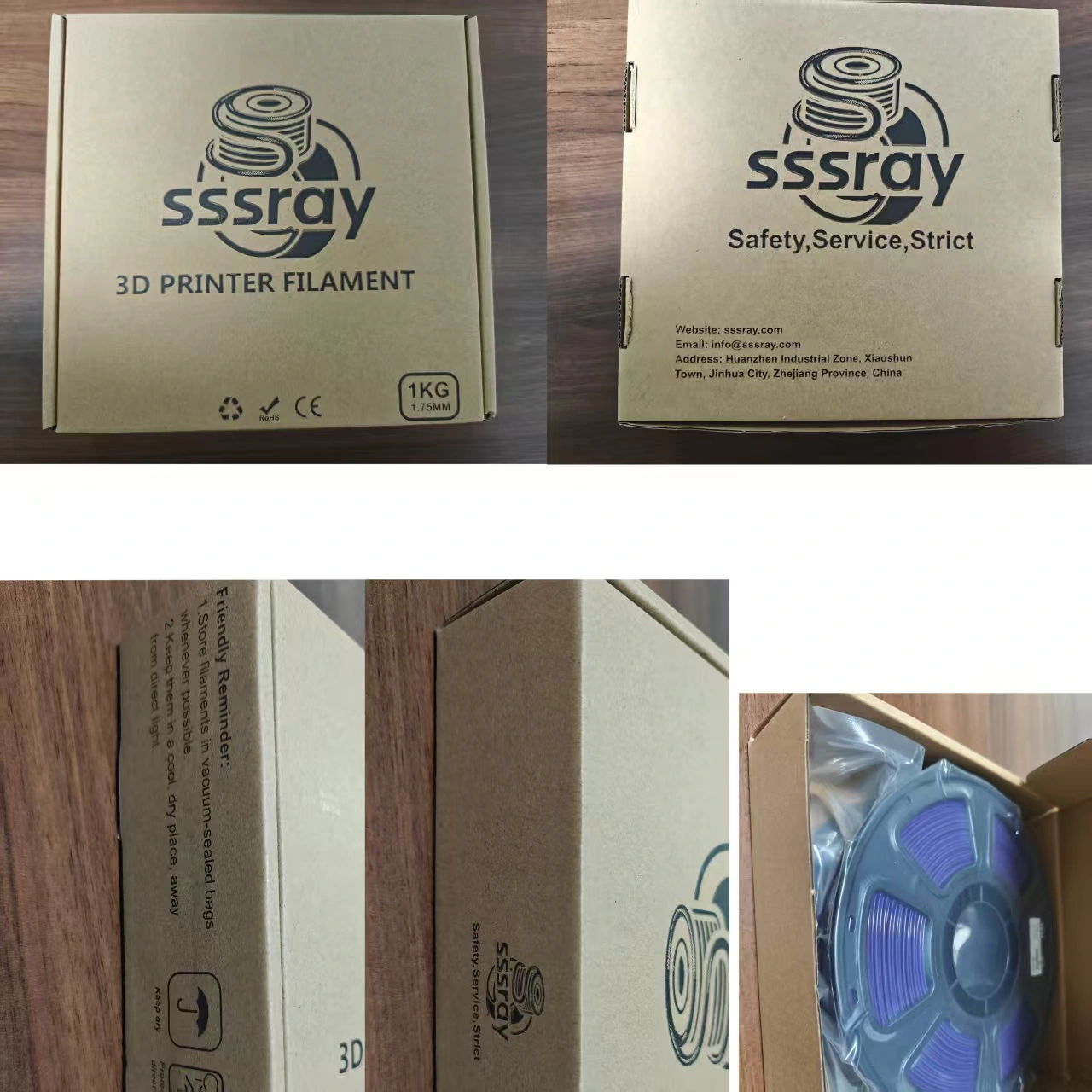
PackagingVacuum + Desiccant
Spool TypePlastic Spool
MOQ: Neutral packaging from 50 spools; OEM packaging typically 500–1,000 spools.
Lead Time: Standard 7–15 working days; customized orders typically 15–25 working days.
Product Overview
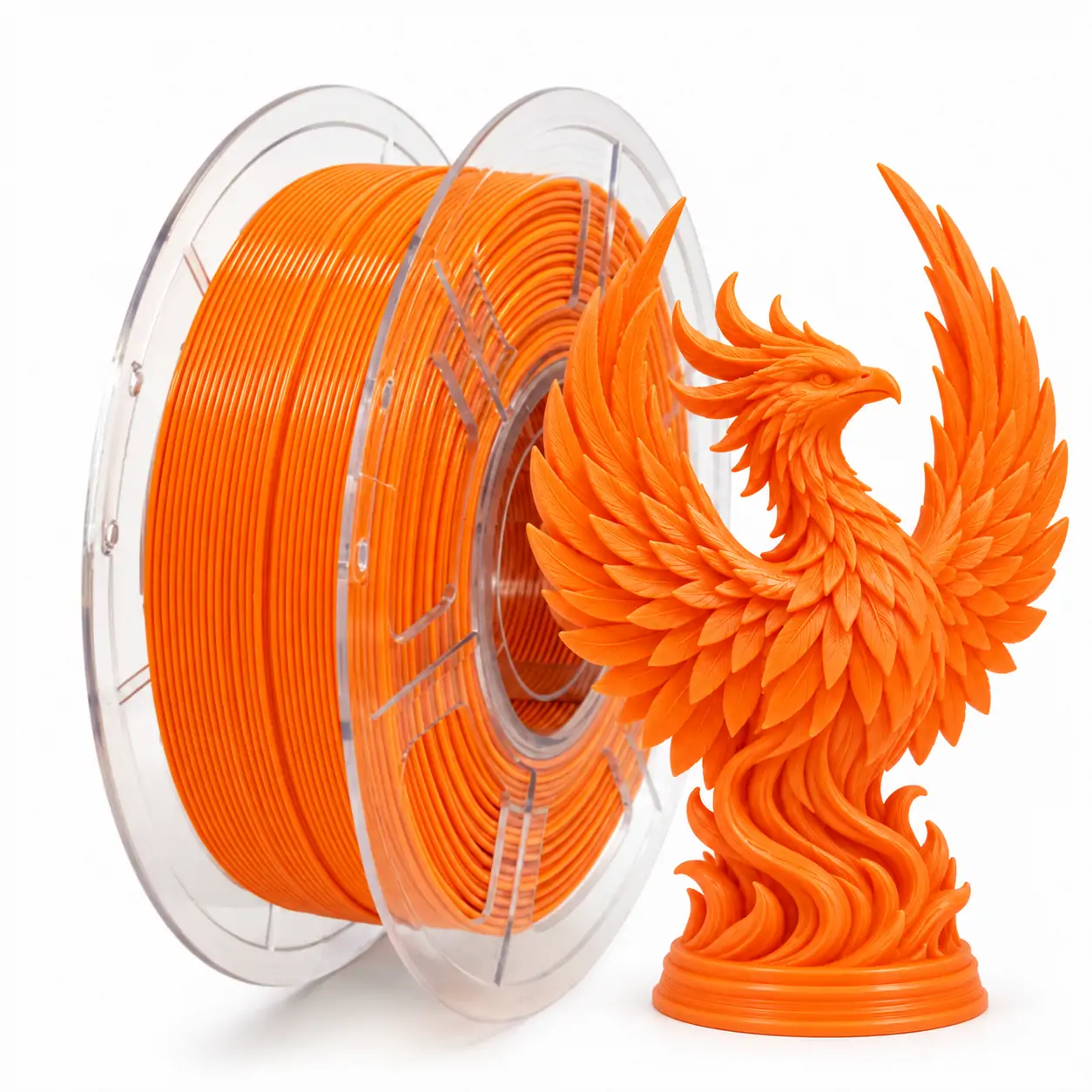
Tangerine Orange PETG Filament for 3D-Printed Phoenix Statues & Fluted Vases – SSSray PETG Basic, Filamen PETG Oranye is our solid-color PETG Basic option for buyers building practical, visually strong orange filament assortments. The color is a bright, saturated tangerine orange with a slight red-orange lean—deeper than amber or yellow-orange and intentionally different from fluorescent, neon, transparent, gradient, silk, metallic, or matte finishes. Broad curved walls, including fluted vases, pick up smooth glossy highlights, while fine phoenix feathers and flame-like details break the reflection into a more satin-looking surface. This makes the color especially effective when one SKU must work across both sculptural detail and clean decorative geometry.
For wholesale PETG programs and private-label supply, we provide 1.75mm filament at ±0.03mm tolerance on a 1kg plastic spool, vacuum-sealed with desiccant. The grade is built for stable extrusion, practical PETG layer bonding, low warping under recommended settings, and straightforward setup on common open-material FDM/FFF platforms. Standard neutral orders start at 50 spools, with OEM packaging typically from 500–1,000 spools. Buyers can use our filament qualification program and batch QC data workflow to establish repeat-order specifications.
Why This Product Stands Out
Tangerine Orange gives a PETG line more visual energy without relying on special-effect additives. On smooth vase walls it reads as a clean glossy orange; on dense feather textures it appears more satin because the geometry scatters highlights. That contrast helps one SKU cover display models, decorative containers, props, housings, organizers, educational parts, and general-purpose prints while keeping the familiar processing behavior of PETG Basic. For B2B buyers, the commercial advantage is straightforward: a recognizable high-visibility color, standard 1kg retail format, stable ±0.03mm diameter control, OEM/ODM flexibility, and a documented path from sample evaluation to repeat supply.
Key Selling Points
Defined Tangerine Orange
Bright, saturated orange with a slight red-orange lean; solid and opaque rather than neon or translucent.
Stable Diameter Control
1.75mm filament with ±0.03mm tolerance supports predictable feeding and extrusion across repeat production runs.
Detail + Curve Presentation
Phoenix feathers retain crisp edges while fluted vase walls show clean glossy highlights and continuous color.
PETG Everyday Durability
A practical balance of toughness, layer bonding, moisture resistance, and lower warping than ABS-family materials.
Wholesale-Ready Format
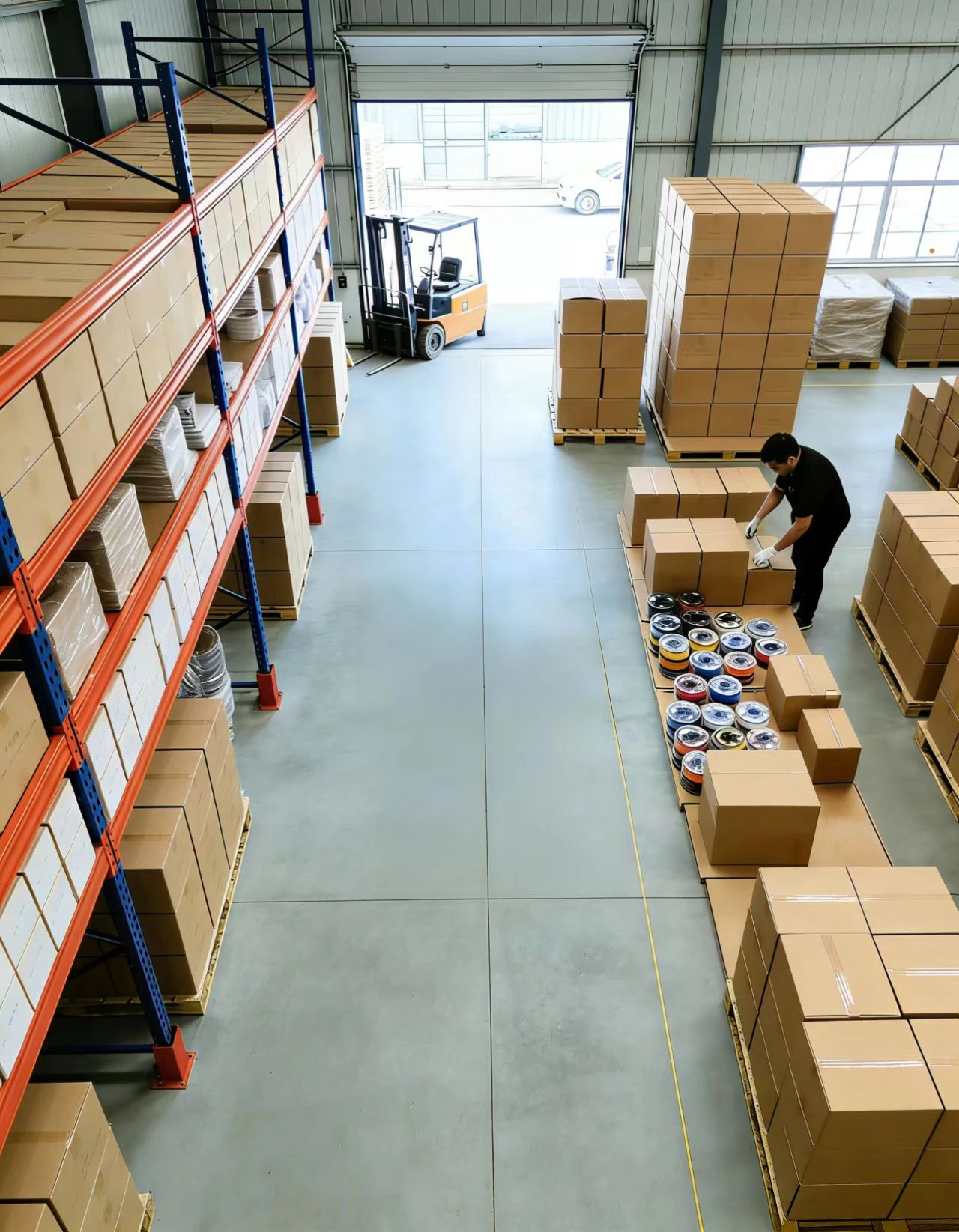
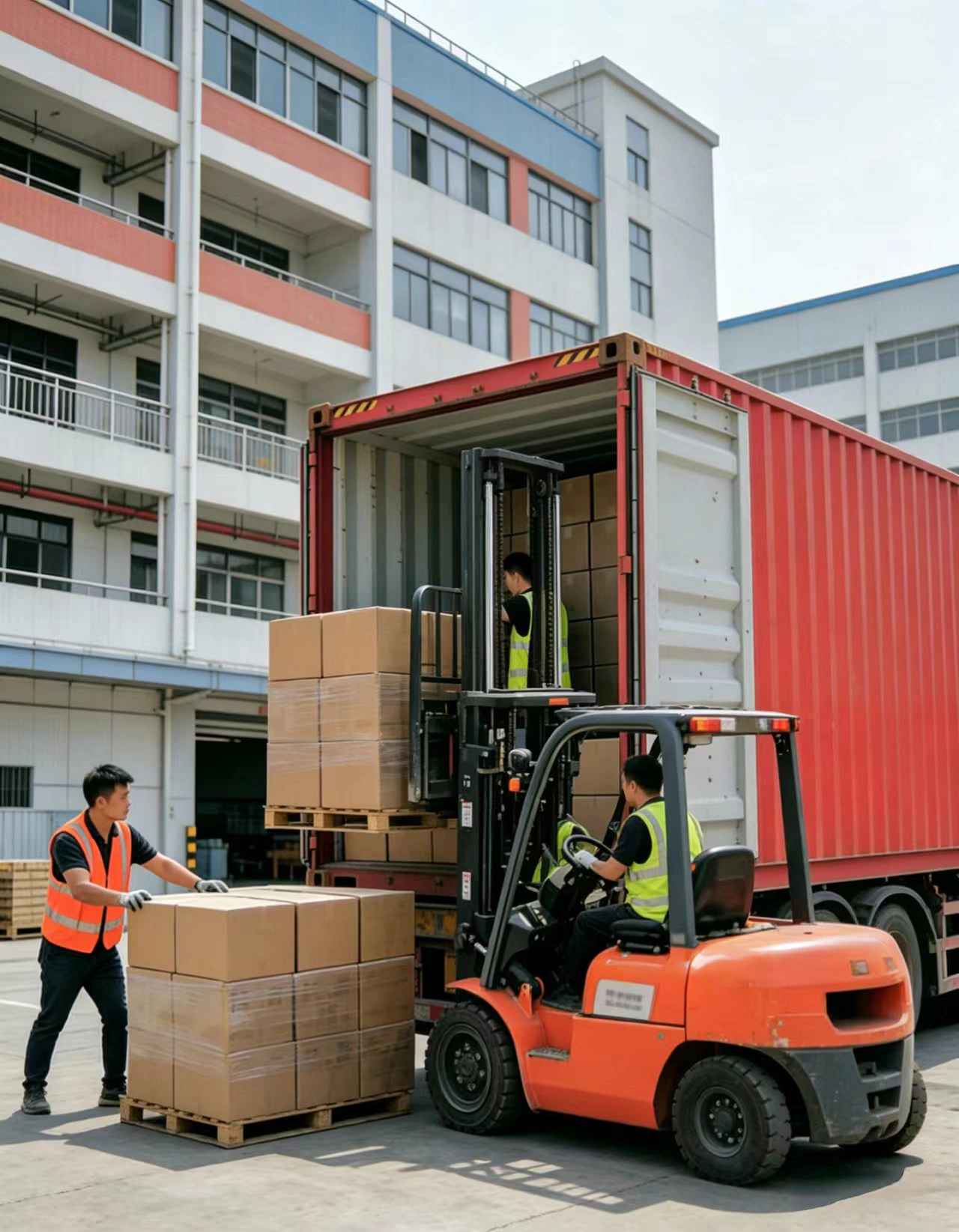
1kg plastic spool, vacuum bag, desiccant, export carton planning, and neutral-label supply from 50 spools.
OEM / Private Label Support
Custom labels, branded boxes, color programs, spool options, barcodes, and private-label packaging routes are available.
Key Features
| Feature | Practical Buyer Benefit |
|---|---|
| Solid Tangerine Orange | Distinct orange SKU for decorative, retail, educational, and general-purpose PETG ranges without a special-effect finish |
| 1.75mm / ±0.03mm | Matches mainstream open-material FDM/FFF ecosystems and supports consistent feeding |
| Gloss-to-Satin Visual Response | Broad curves show brighter reflections while dense feather details retain readable surface definition |
| PETG Basic Processing Window | Useful balance of layer adhesion, toughness, and manageable warping for day-to-day PETG printing |
| Vacuum Sealed + Desiccant | Helps protect the spool during storage and international transport before opening |
| OEM / ODM Supply | Supports neutral stock, private-label packaging, custom artwork, and broader PETG color programs |
Balanced Quality and Cost Efficiency
This SKU is built for buyers who want one orange PETG that can sell as both a decorative color and a practical general-purpose material. PETG is already familiar to many end users, so distributors do not need to explain an unusual material system, while the saturated tangerine tone gives the listing and shelf presentation a clear visual identity. For wholesale programs, that combination can simplify assortment planning: a standard 1kg format, familiar PETG print temperatures, broad application coverage, and OEM packaging options without adding a specialty additive or effect that narrows the audience. We can quote neutral stock, branded packaging, mixed-color programs, and larger spool requirements around the buyer’s channel and forecast.
How We Work
1
Buyer Requirement
2
SKU & Color Confirmation
3
Sample & Print Check
4
Packaging & Artwork
5
Production & QC
6
Shipment & Reorder Record
Material Comparison Guide
| Material | Typical Print Conditions | Material Behavior | Typical Use |
|---|---|---|---|
| PETG Basic | Moderate nozzle and heated-bed temperatures; enclosure usually not required | Tough, good layer bonding, low warping tendency; moisture control remains important | Decorative parts, organizers, containers, fixtures, housings, general functional prints |
| PLA / PLA+ | Lower nozzle and bed temperatures; open-frame printing is common | Easy processing and crisp detail; lower heat resistance than PETG | Models, prototypes, visual parts, education, indoor fixtures |
| PCTG | Similar copolyester workflow with grade-specific temperature tuning | Higher-toughness route than standard PETG in many formulations, with grade-specific print setup | Impact-oriented functional parts, fixtures, durable prototypes |
| ASA | Higher nozzle/bed temperatures; enclosure commonly recommended | Better long-term outdoor/UV positioning than standard PETG, with more shrinkage control required | Outdoor housings, brackets, fixtures, automotive-style exterior parts |
Technical Specifications
| Product Name | Tangerine Orange PETG Filament for 3D-Printed Phoenix Statues & Fluted Vases – SSSray PETG Basic, Filamen PETG Oranye |
|---|---|
| Material | PETG Basic (glycol-modified polyethylene terephthalate) for FDM / FFF 3D printing |
| Series | SSSray PETG Basic Series – Tangerine Orange for Detailed Statues & Decorative Vases |
| Color / Effect | Bright saturated tangerine orange with a slight red-orange lean; solid opaque single color; glossy on broad curves and more satin-looking on dense surface detail |
| Filament Diameter | 1.75mm standard; 2.85mm available on request |
| Tolerance | ±0.03mm |
| Net Weight | 1kg standard; 3kg / 5kg available on request |
| Gross Weight | 1.3kg for standard 1kg spool configuration |
| Spool Type | Plastic spool |
| Packaging | Vacuum sealed with desiccant |
| Typical Tensile Strength | 50 ± 2 MPa |
| Melt Flow Rate | 6–8 g/10 min at 230°C / 2.16kg |
| Printer Compatibility | Most open-material 1.75mm FDM/FFF printers with a PETG-capable hotend and heated build plate |
| Typical Applications | Phoenix and animal statues, fluted vases, decorative containers, organizers, fixtures, housings, prototypes, educational and retail display models |
| OEM / ODM | Custom labels, branded boxes, color matching, spool options, barcodes, private-label programs, and mixed-SKU planning |
| Technical / Compliance Documents | PETG TDS and SDS/MSDS are available; this SKU is specified as RoHS compliant. We match the available document set to the ordered SKU and destination-market requirement. |
Recommended Print Settings
| Parameter | Recommended Guidance |
|---|---|
| Recommended Nozzle Temperature | 235–250°C |
| Usable Nozzle Range | 235–255°C; tune by flow, layer bonding, stringing, and visible-wall finish |
| Recommended Bed Temperature | 70–80°C |
| Usable Bed Range | 70–85°C depending on build surface and first-layer behavior |
| Recommended Print Speed | 50–250 mm/s |
| Usable Speed Range | 40–250 mm/s on PETG-capable systems with sufficient hotend flow; use higher nozzle temperature as speed increases |
| Retraction | Direct drive 0.6–1.2mm / Bowden 3–5mm as starting references; tune to the extruder path |
| Layer Height | 0.12–0.28mm; 0.16–0.20mm is a practical detail-and-finish range with a 0.4mm nozzle |
| Cooling Fan | 0% for the first 1–3 layers, then 0–50%; increase within this range for bridges and small overhangs |
| Wall Count | 2–4 perimeters; use 3–4 when stiffness or leak resistance matters |
| Infill | 15–20% for decorative parts / 40–60% for higher-demand general-purpose parts |
| First Layer Speed | 20–30 mm/s |
| Bed Adhesion | Textured or satin PEI preferred; glass or smooth PEI can be used with a suitable release layer and plate-specific guidance |
| Drying | 60–65°C for 4–6 hours when drying is needed; use a controlled filament dryer or convection oven |
Print Optimization Guide
| Item | Guidance |
|---|---|
| Phoenix Feather Detail | Use 0.12–0.20mm layers and moderate outer-wall speed so feather tips and flame curls remain crisp without excess stringing |
| Fluted Vase Finish | Use continuous outer walls, stable flow, and 0.16–0.20mm layers to keep the tangerine highlights smooth across the flutes |
| Stringing Control | Dry the filament first, then tune temperature and retraction before adding aggressive cooling or excessive travel changes |
| First-Layer Control | Avoid excessive PETG squish; start around 70–80°C and tune Z offset for the selected build plate |
| Build Surface Protection | Use a release layer where the plate manufacturer recommends it because PETG can bond strongly to smooth surfaces |
| Color Consistency | Keep visible-wall speed, temperature, and cooling stable on presentation parts so sheen remains consistent across large orange surfaces |
Printer Brand Starting Settings
| Printer Brand | Nozzle | Bed | Speed | Starting Notes |
|---|---|---|---|---|
| Flashforge | 220–270°C | 70–80°C | 40–250 mm/s | Use the PETG profile as the starting point; higher print speeds require higher nozzle temperature and sufficient hotend flow |
| Bambu Lab | 240–250°C | 70–80°C | 60–120 mm/s | Start from a generic PETG profile; keep visible outer walls slower when gloss consistency is the priority |
| Prusa | 240–250°C | 85–90°C | 40–80 mm/s | Textured or satin sheet is the preferred starting surface; tune cooling for detail versus layer bonding |
| Creality | 235–250°C | 70–80°C | 40–100 mm/s | Direct-drive and Bowden models need different retraction; set first-layer release for the installed build plate |
| Anycubic | 235–250°C | 70–80°C | 40–80 mm/s | Start with the machine’s generic PETG profile, then tune flow and cooling for the model geometry |
| Elegoo | 235–250°C | 70–80°C | 40–100 mm/s | Tune extrusion flow and first-layer adhesion before increasing speed on large decorative parts |
Use these as starting values for this SSSray PETG Basic grade, then tune nozzle temperature, flow, cooling, and speed for the installed hotend, build surface, and model geometry.
Performance Characteristics
| Characteristic | Typical PETG Basic Behavior | Production / Buyer Note |
|---|---|---|
| Diameter Control | 1.75mm, ±0.03mm specification | Use the agreed SKU and tolerance as the repeat-order baseline |
| Tensile Strength | 50 ± 2 MPa | Supports durable general-purpose parts, housings, fixtures, and everyday handling applications |
| Melt Flow Rate | 6–8 g/10 min at 230°C / 2.16kg | Useful for material-family comparison; machine flow limits still determine practical print speed |
| Warping | Lower tendency than ABS/ASA in typical open-printer workflows | Bed temperature, first-layer setup, part geometry, and room drafts still matter |
| Moisture Response | Wet PETG can show stringing, bubbling, roughness, and inconsistent extrusion | Reseal after opening and dry at 60–65°C for 4–6h when moisture symptoms appear |
| Surface Response | Glossy highlights on broad curves; denser detail appears more satin because reflections are broken up | Keep outer-wall speed and cooling stable for visual consistency on tangerine-orange presentation parts |
Applications
| Application Focus | Practical Notes |
|---|---|
| Phoenix, Dragon & Creature Statues | The saturated orange emphasizes feather, flame, scale, and edge detail while PETG provides a tougher handling profile than standard PLA |
| Fluted & Spiral Vases | Continuous curved walls show clean glossy highlights and make the tangerine color visually prominent |
| Decorative Containers & Organizers | Useful where color identity, layer bonding, and everyday handling matter more than high-temperature service |
| Retail Display Models | Bright single-color presentation photographs clearly and gives distributors an easy-to-understand orange SKU |
| General Fixtures & Housings | Suitable for indoor housings, brackets, organizers, and fixtures where PETG toughness, layer bonding, and color visibility are useful |
| Education & Prototyping | Useful for demonstration parts, visual prototypes, classroom models, and color-coded components on PETG-capable printers |
Storage Guide
- Keep unopened spools in the original vacuum bag with desiccant until needed
- After opening, store PETG in a sealed dry box or resealable moisture-barrier bag
- Keep the filament away from direct sunlight, heat sources, and high-humidity storage areas
- If stringing, popping, bubbles, or rough extrusion appear, dry at 60–65°C for 4–6 hours before retesting
- Use a controlled filament dryer or convection oven and keep the drying temperature stable throughout the cycle
OEM / ODM Services
We support distributors, importers, retailers, e-commerce sellers, print farms, education suppliers, and private-label brands that want to build a repeatable PETG range around their own market. Available routes include neutral packaging, custom spool labels, branded boxes, barcode and carton marks, color matching, mixed-color assortment planning, custom spool presentation, and larger 3kg / 5kg formats available on request.
MOQ Reference: Neutral packaging from 50 spools; OEM packaging typically 500–1,000 spools. For private-label development, send the target market, estimated annual volume, artwork requirements, color reference, and required technical/compliance files so we can quote the correct route. See our private-label filament program and custom PETG supply options.
Quality Control
- Diameter and ovality checks against the agreed PETG SKU specification
- Winding inspection for orderly coil placement and feeding reliability
- Color comparison against the approved Tangerine Orange reference for repeat orders
- PETG extrusion and print checks before bulk release
- Vacuum-bag seal, desiccant, spool, label, and carton inspection before packing
- Batch traceability and shipment records available for repeat-order comparison
For repeat-order setup, use our filament test protocol and supplier comparison tool.
Technical & Compliance Documentation
- RoHS: This SKU is specified as RoHS compliant; the matching document can be supplied with the order
- PETG TDS: Technical Data Sheet is available through the SSSray document center
- PETG SDS / MSDS: Safety Data Sheet is available for material handling and procurement documentation
- Other market-specific documents: Send the destination country, customer standard, and required document list with your RFQ, and we will match the available files to the ordered SKU
Frequently Asked Questions
What is the MOQ for Tangerine Orange PETG Basic?
Neutral packaging starts from 50 spools. OEM or private-label packaging typically starts from 500–1,000 spools depending on artwork, box, label, and spool requirements.
How does Tangerine Orange look on printed parts?
It is a bright, saturated solid orange with a slight red-orange lean. Broad curved walls show smooth glossy highlights, while dense feather or flame detail appears more satin because the geometry breaks up reflections.
What print temperatures should we start with?
Start at 235–250°C nozzle and 70–80°C bed. The broader material window is 235–255°C nozzle and 70–85°C bed, then tune flow, cooling, and speed for the printer and model.
Does PETG need drying before printing?
Keep PETG dry after opening. If you see stringing, bubbling, popping, or rough extrusion, dry at 60–65°C for 4–6 hours in a controlled filament dryer or convection oven.
Which build surface is recommended?
Textured or satin PEI is a practical starting choice. PETG can bond strongly to smooth PEI or glass, so use a suitable release layer where the build-plate manufacturer recommends it.
Can we request free B2B samples?
Verified B2B buyers can request up to three complimentary 1kg sample spools for evaluation. Shipping cost is covered by the buyer, and the sample material, availability, and freight route are confirmed before dispatch.
Can you provide OEM packaging and custom labels?
Yes. We support branded labels, retail boxes, barcodes, carton marks, spool presentation, mixed-SKU programs, and private-label PETG development. OEM packaging typically starts from 500–1,000 spools.
Which technical documents are available?
PETG TDS and SDS/MSDS are available through our technical document center. This SKU is specified as RoHS compliant; send the destination market and required document list and we will match the available files to the order.
Build Your Tangerine Orange PETG Supply Program
Send us your target quantity, market, printer platform, packaging format, destination country, and required files. We can quote neutral wholesale supply from 50 spools, prepare a B2B sample route, or develop OEM / private-label packaging for your PETG range.
Related products
-

Industrial Blackout PETG Filament 1.75mm 1KG | 100% Opaque Black & White PETG for Light Blocking Enclosures & Medical Parts | OEM/ODM Bulk Supply
-
SSSray Orange-to-Yellow Gradient Translucent PETG Filament 1.75mm – Yarı Saydam PETG Filament for Decorative Models
-
SSSray Blush Pink-to-Frost White Translucent PETG 3D Printer Filament 1.75mm – 半透明PETGフィラメント for Decorative Display Models
-
Premium Rainbow Gradient PETG Filament 1.75mm 1KG | Multi-Color Silk-Gloss PETG for Decorative Arts & Retail Models | Bulk OEM Supply