Online time
Monday to Friday: 9AM - 8PM
Weekend: 10AM - 5PM

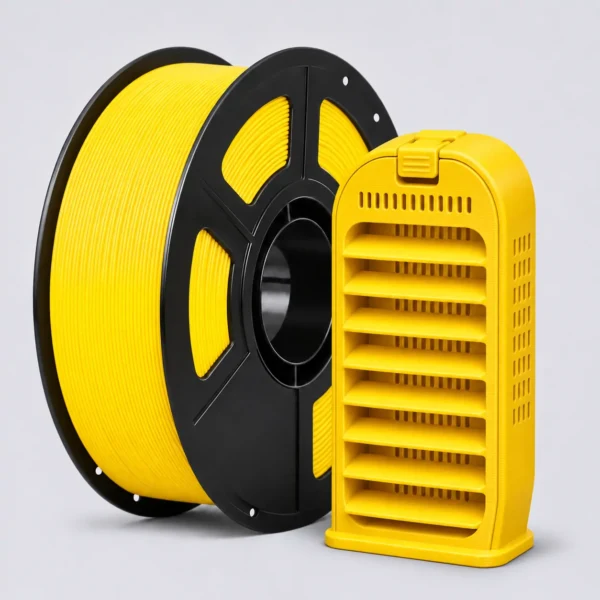
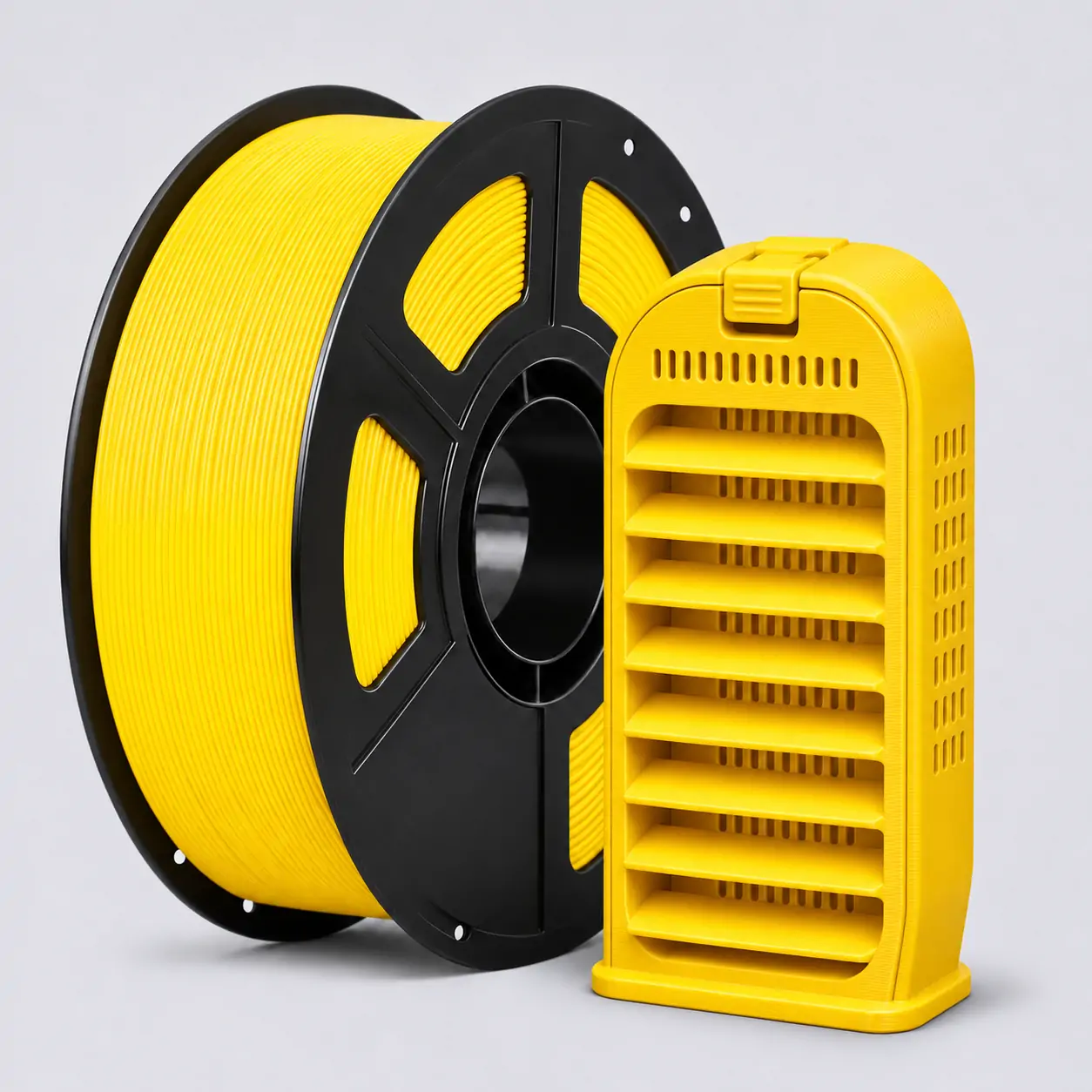

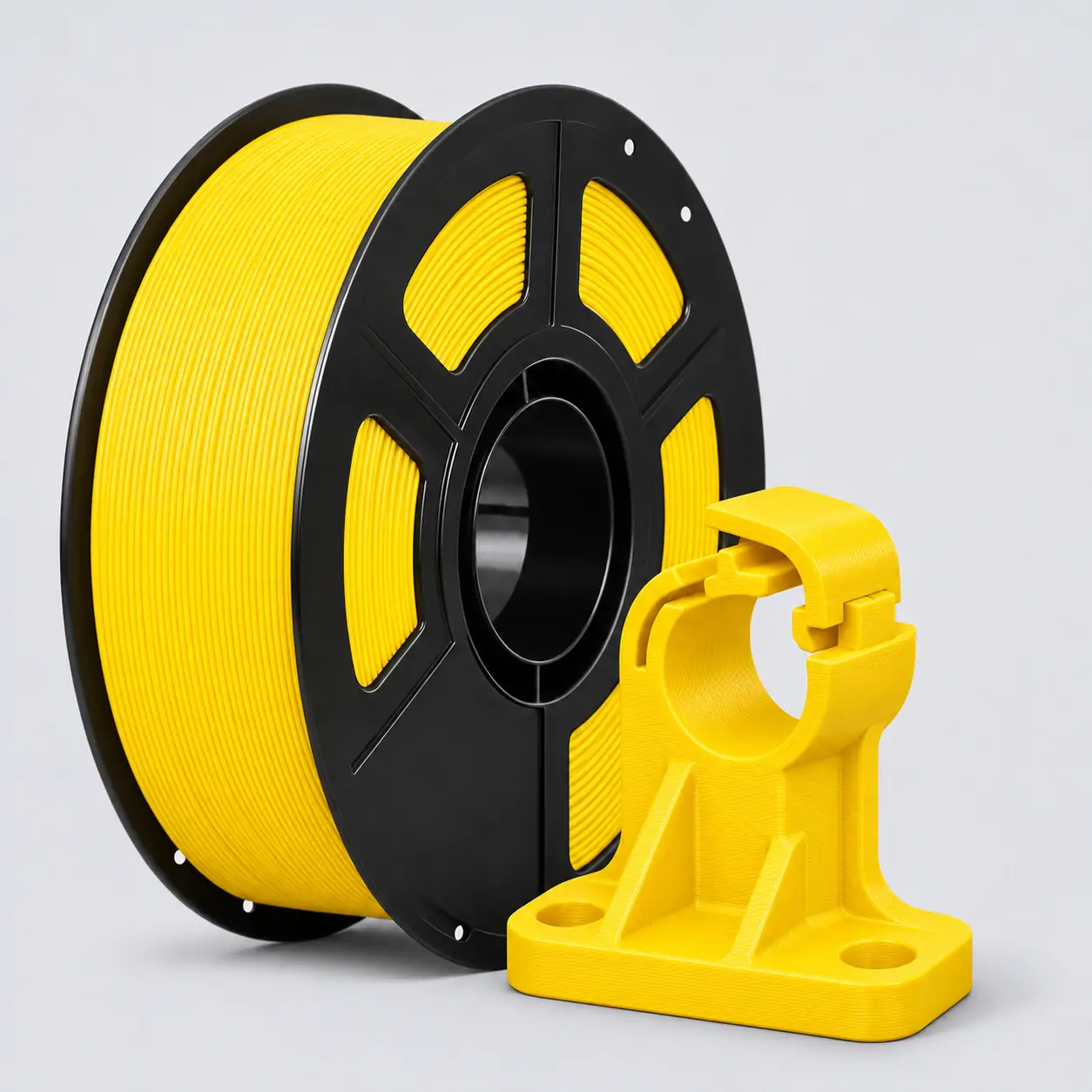
ABS-HS High-Speed Series | Wholesale Supply | OEM / ODM Support
SSSray ABS-HS Vivid Yellow High-Speed ABS 3D Printer Filament – сары ABS филаменті for Ventilated Housings & Mounting Brackets
Vivid yellow ABS-HS engineered for faster enclosed printing of louvered housings, split clamp brackets, and clearly identified technical components.
We manufacture this saturated-yellow ABS-HS for distributors and industrial buyers who want functional parts that stand out during assembly and inspection. Target 100–200 mm/s on an enclosed, flow-capable FDM printer, with controlled extrusion and a smooth, low-sheen finish around vents and mounting features.
MaterialABS-HS (High-Speed ABS)
SeriesABS-HS High-Speed
Color EffectVivid Yellow · Solid, Low-Sheen
Diameter1.75mm
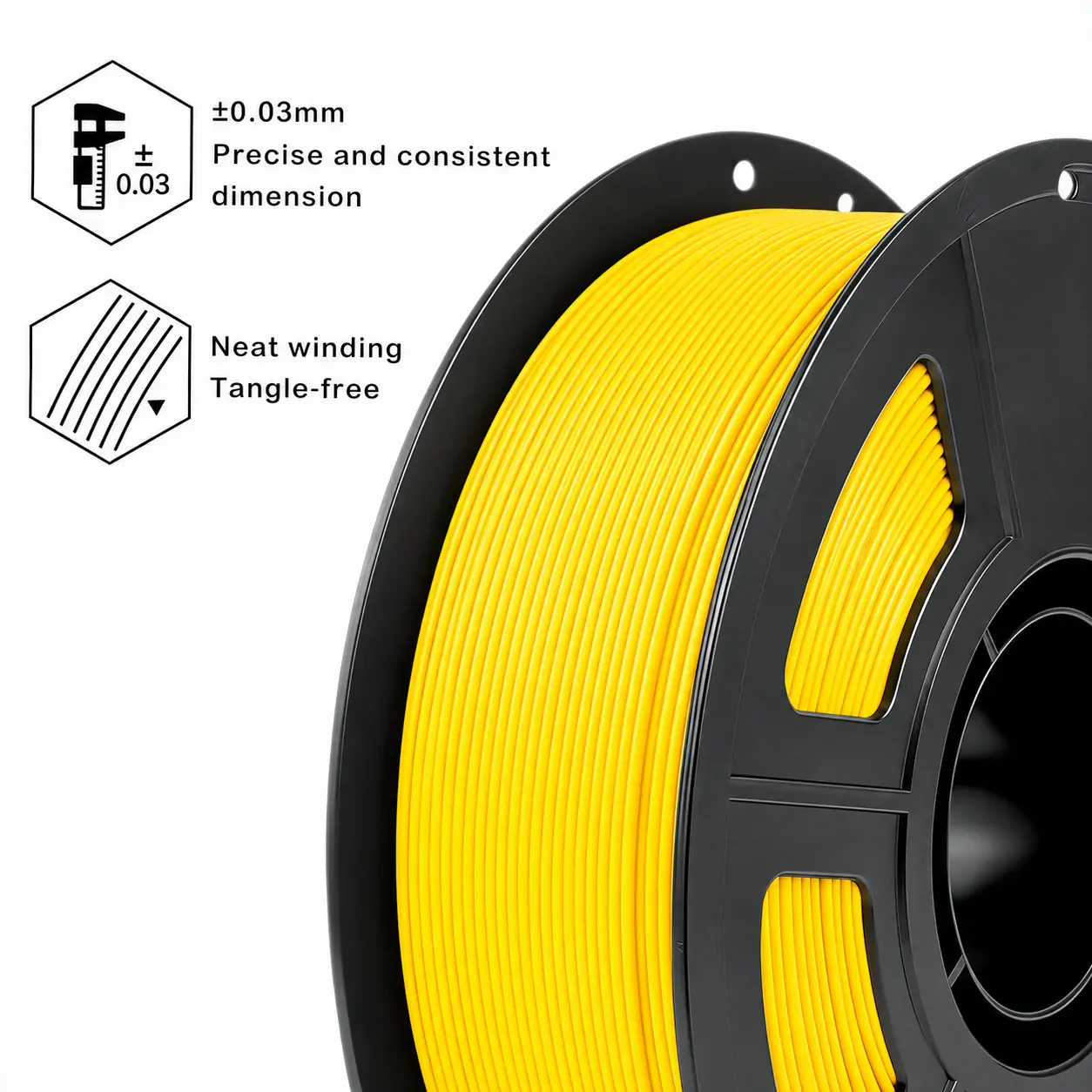
Tolerance±0.03mm
Net Weight1kg
Gross Weight · 1kg Unit1.3kg
Nozzle Temp245–270°C
Bed Temp95–105°C
Print Speed100–200 mm/s
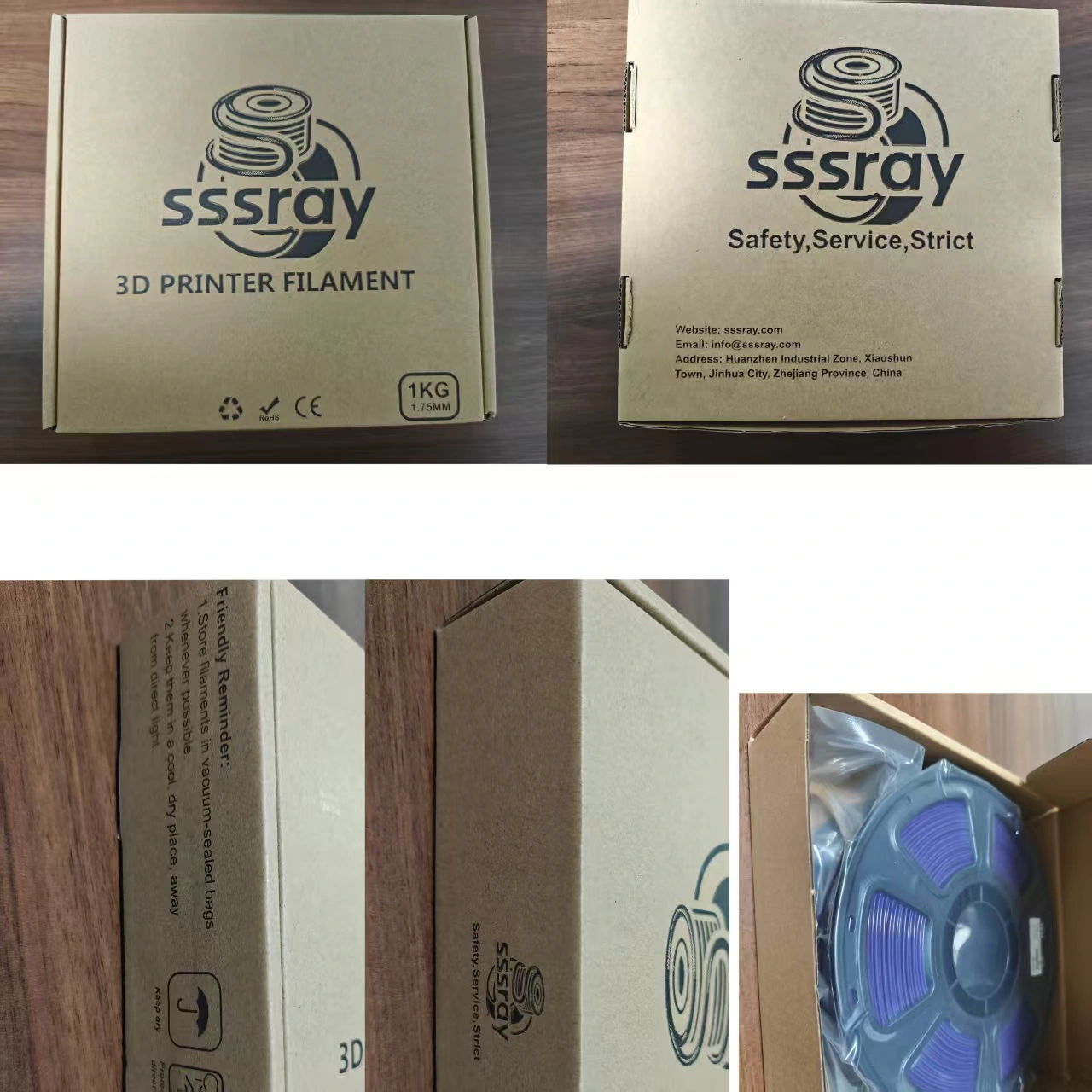
PackagingVacuum + Desiccant
Spool TypePlastic Spool
MOQ: Neutral packaging from 50 spools; OEM packaging typically 500–1,000 spools.
Lead Time: Standard 7–15 working days; customized orders 15–25 working days.
Product Overview
We manufacture SSSray ABS-HS Vivid Yellow for buyers who need more than another standard ABS color. Its saturated yellow surface makes louvered ventilation panels, split clamp brackets and maintenance fixtures easier to identify among neighboring black or gray assemblies. The smooth, low-sheen appearance highlights vent openings, screw-boss edges and revision details during visual checks. It also gives distributors a distinctive engineering color for equipment-related product lines.
Our high-speed ABS formulation is intended for heated-bed, enclosed FDM/FFF printing, where consistent melt flow and controlled cooling matter as much as print speed. Target 100–200 mm/s for productive housing and bracket runs; suitable high-flow machines can work within 50–300 mm/s after tuning nozzle temperature, volumetric flow and layer bonding. Use 3–5 perimeter walls, stable chamber warmth and low part cooling for functional geometry. We supply the standard 1kg vivid-yellow plastic spool vacuum-sealed with desiccant, and support coordinated color matching, branding and replenishment for your purchasing program.
Our ABS-HS Production Commitment
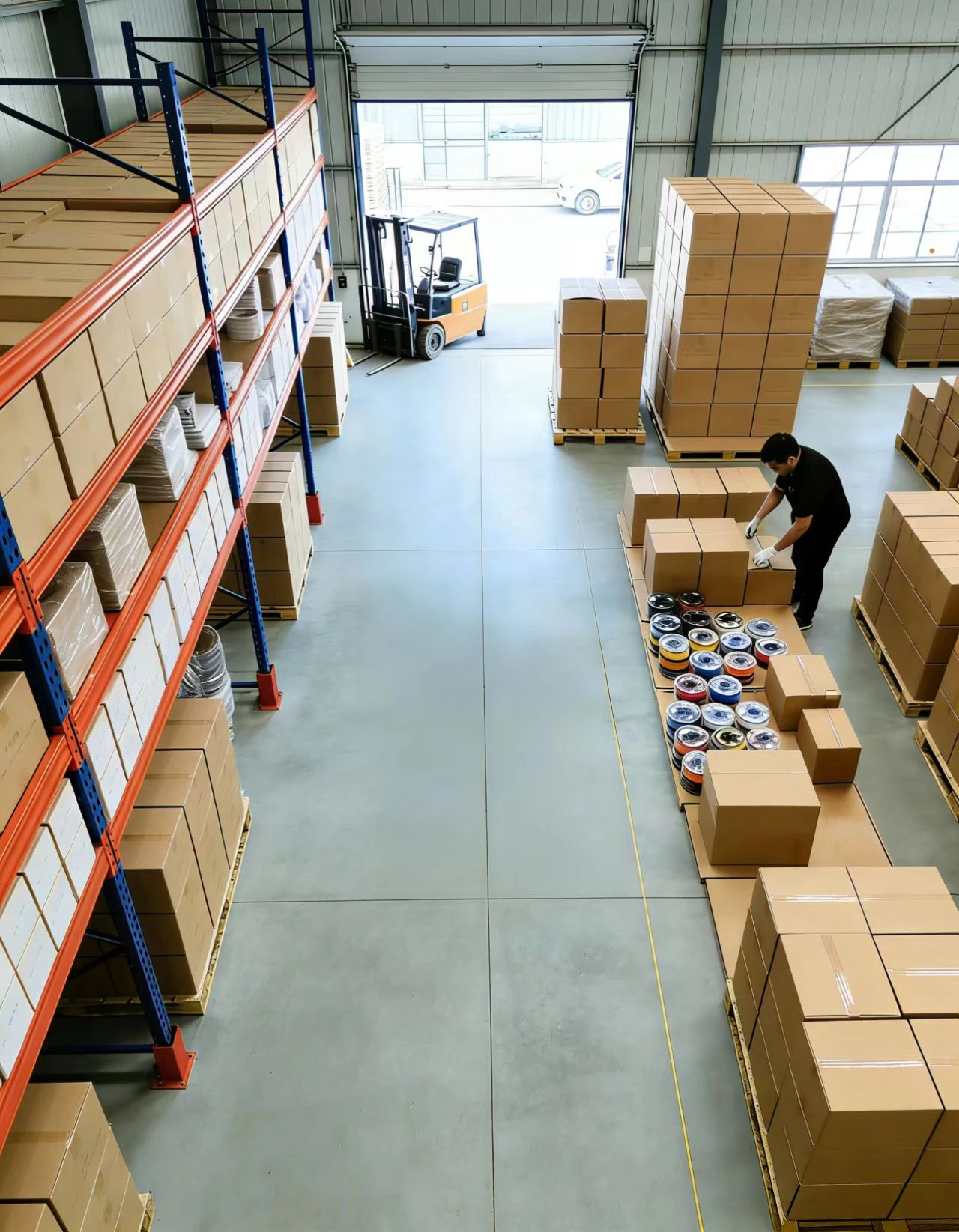
We manage this grade from extrusion through repeat supply. Our production team works to the approved yellow reference and agreed diameter specification, checks winding and packaging condition, and identifies each order lot for shipment. We carry the approved sample, unit-label requirements and carton details into repeat production orders, helping distributors maintain a dependable engineering-filament SKU across purchasing cycles.
Key Selling Points
Stable Diameter Control
We control our 1.75mm filament to the specified ±0.03mm tolerance, supporting steady feeding through high-speed extrusion paths.
Smooth Extrusion
Use 245–270°C on a warm, enclosed printer for 100–200 mm/s printing; raise melt capacity and temperature as needed for higher-flow toolpaths.
Vivid Yellow Identification
Our saturated yellow makes vent slots, clamp halves and service-identification parts stand out in mixed-color assemblies.
Practical 1kg Format
Our vacuum-sealed 1kg plastic spool with desiccant fits established retail shelves, printer-feed setups and export cartons.
Export-Oriented Supply
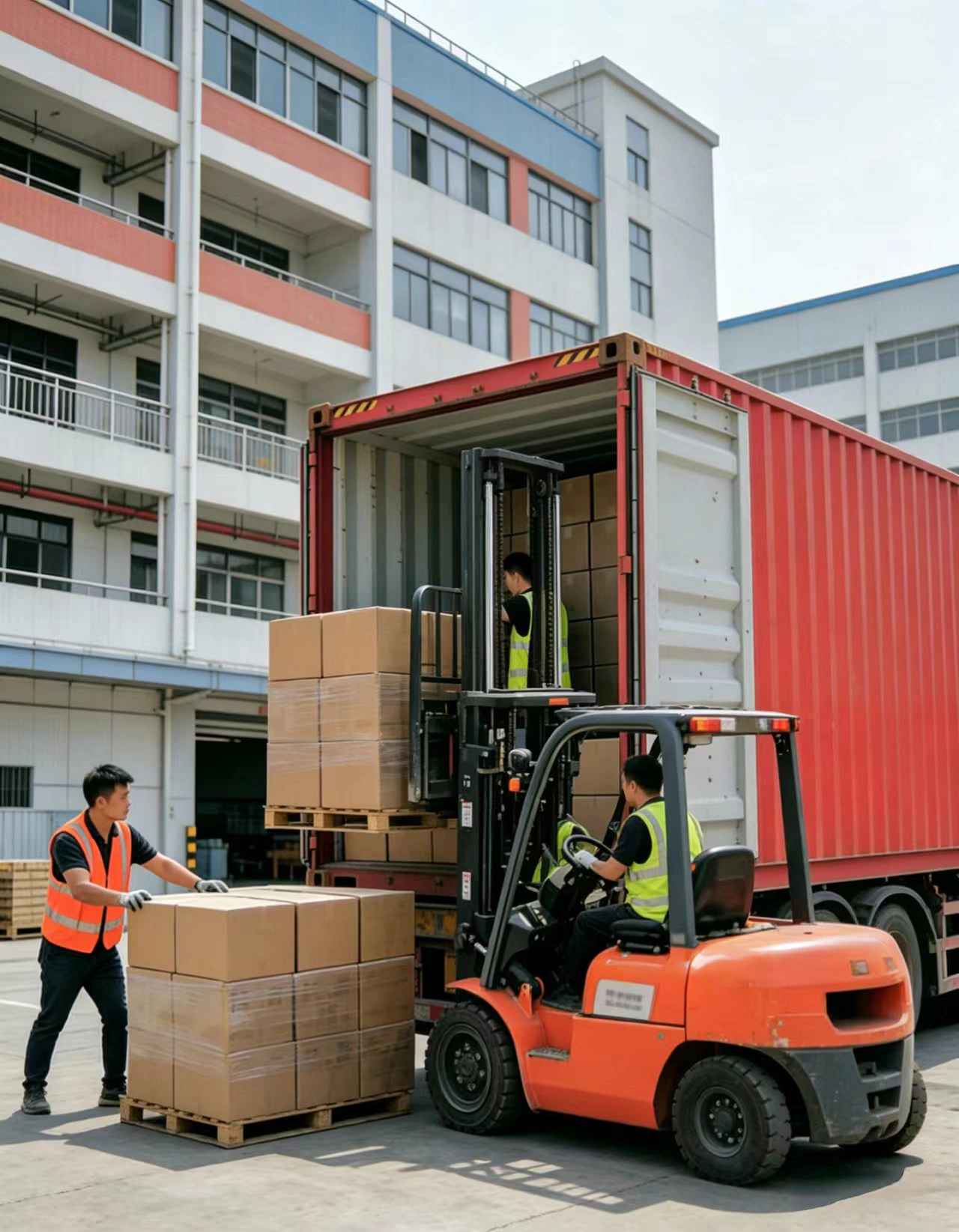
We coordinate order-lot identification, shipping preparation and replenishment schedules for importers building an engineering-filament range.
OEM / ODM Ready
Specify vivid-yellow artwork, barcodes and private-label cartons that position your functional ABS line clearly in the market.
Engineering Design & Process Controls
| Production Focus | Our Engineering Guidance |
|---|---|
| Vented Housing Geometry | Keep louver bridges short, maintain airflow clearances and inspect vent spacing after the finished cover has cooled. |
| Split-Clamp Load Paths | Build clamp roots and screw bosses with 3–5 perimeter walls; use fillets and orient the part around expected tightening forces. |
| Enclosure Temperature Control | Preheat the chamber, protect long housing edges from drafts and allow gradual cooling before dimensional inspection. |
| High-Flow Toolpath Strategy | Use 250–300 mm/s on suitable calibrated infill and long moves; keep precision vent faces and critical outer walls at a quality-focused speed. |
| Assembly Fit Inspection | Check mounting-hole alignment, clamp openings and screw-boss clearances against the intended assembly before releasing a production batch. |
| Sample-to-Batch Handoff | Confirm the yellow reference, target part geometry and approved packing specification with our team before scheduling repeat orders. |
Balanced Quality and Cost Efficiency
Shorter enclosed-print cycles help print farms turn around repeat batches of louvered covers and clamp brackets without moving to a specialty-filled material. The distinctive yellow shade also earns its place in a distributor catalog: maintenance teams can recognize revision sets and replacement components immediately. Add it to your high-speed filament wholesale range for production-oriented buyers; our wholesale ABS & ASA filament portfolio helps you offer the right indoor engineering and outdoor weathering material families side by side.
How We Work
1
Requirement Review
2
Specification Confirmation
3
Sample Evaluation
4
Packaging Discussion
5
Production Arrangement
6
Inspection & Shipment
Material Comparison Guide
| Material | Material Behavior | Print Conditions | Practical Difference | Typical Use |
|---|---|---|---|---|
| ABS-HS Vivid Yellow | ABS-family heat response and functional toughness | Heated bed + enclosed chamber; 100–200 mm/s production target | High-speed ABS processing with a conspicuous, solid identification color | Yellow louvered covers, split clamps, mechanical prototypes |
| Conventional ABS | Heat-capable; subject to cooling shrinkage and warping | Heated bed + enclosure; conventional ABS profile | Established ABS behavior, without a specific high-speed claim | Fixtures, indoor housings, general mechanical parts |
| ASA | Better outdoor UV/weathering resistance than standard ABS | Heated bed + enclosure; controlled cooling | Preferred polymer family for long-term sun-exposed parts | Outdoor covers, signage mounts, exterior fixtures |
| PETG | Good layer adhesion; lower printing-temperature demands than ABS | Heated bed; enclosure generally optional | Easier setup, with different heat-response and rigidity trade-offs | Indoor fixtures, brackets, functional consumer items |
| PLA | Lower heat resistance; typically limited warping | Lower nozzle/bed settings; open-frame printing common | Accessible prototyping, less suited to heat-exposed equipment parts | Fit-check models, educational and display prototypes |
Technical Specifications
| Product Name | SSSray ABS-HS Vivid Yellow High-Speed ABS 3D Printer Filament – сары ABS филаменті for Ventilated Housings & Mounting Brackets |
|---|---|
| Material | ABS-HS (High-Speed Acrylonitrile Butadiene Styrene) |
| Series | SSSray ABS-HS High-Speed Series – Precision Housings & Mechanical Components |
| Color / Effect | Vivid Yellow; solid, saturated bright yellow with smooth low-sheen finish |
| Filament Diameter | 1.75mm standard; 2.85mm by project request |
| Tolerance | ±0.03mm |
| Net Weight | Standard 1kg (2.2 lbs) spool; separate 3kg and 5kg formats by request |
| Gross Weight (Standard 1kg Unit) | 1.3kg, including standard spool and unit packaging; larger formats quoted separately |
| Spool Type | Plastic spool |
| Packaging | Vacuum sealed with desiccant |
| Printer Compatibility | Most compatible 1.75mm FDM/FFF printers with ABS-capable hotends, heated beds, and an enclosure |
| Suggested Hardware | All-metal hotend; 0.4mm nozzle; enclosed chamber; stable heated build surface |
| Typical Applications | Ventilated indoor housings, louvered covers, mounting brackets, split clamps, jigs, fit-check fixtures |
| OEM / ODM | Neutral and private-label programs; custom artwork, labels, carton and color coordination |
| Technical Documents | Our sales team coordinates grade-specific technical, handling and export document requirements with your purchasing specification |
Recommended Print Settings
| Parameter | Recommended Guidance |
|---|---|
| Recommended Nozzle Temperature | 245–270°C; target the upper end for faster, higher-flow printing |
| Usable Nozzle Range | 230–280°C; use 260–280°C when tuning 250–300 mm/s on a suitably rated high-flow hotend |
| Recommended Bed Temperature | 95–105°C |
| Usable Bed Range | 90–110°C when supported; use 95–100°C on printers limited to 100°C |
| Recommended Print Speed | 100–200 mm/s for enclosed ABS-capable printers with calibrated melt flow and layer bonding |
| Usable Speed Range | 50–300 mm/s; use 250–300 mm/s on high-flow enclosed machines at suitable melt temperatures, with geometry-dependent outer-wall speeds |
| Layer Height (0.4mm Nozzle) | 0.16–0.24mm recommended; 0.12–0.28mm usable |
| Cooling Fan | 0–15%; first layers 0%; bridges/overhangs selectively up to 20% |
| Direct-Drive Retraction | 0.6–1.2mm at 25–40 mm/s as a starting range |
| Bowden Retraction | 2–4mm at 25–40 mm/s as a starting range; tune to tube length |
| Wall Count | 3–5 perimeters for brackets and housings; increase where load paths require |
| Infill | 15–25% non-load-bearing covers / 40–60% higher-demand brackets after design review |
| First Layer Speed | 20–35 mm/s |
| Bed Adhesion | Smooth PEI with thin glue release layer; compatible textured PEI or glass with suitable adhesive; add brim for long edges |
| Enclosure & Ventilation | Keep the chamber warm and draft-free; 35–45°C passive or 45–60°C actively heated is a useful calibration window within printer ratings. Maintain exhaust/filtration and room ventilation. |
| Filament Drying | When moisture-affected, use a controlled filament dryer at 70–80°C for about 8 hours; verify spool temperature limits |
Print Optimization Guide
| Item | Guidance |
|---|---|
| Vented Housing Walls | Use 3–5 perimeters; keep louvers thick enough for the chosen nozzle and orient openings to avoid excessive bridging |
| Bracket Fit & Strength | Orient bolt loads across continuous walls where feasible; add fillets and print test coupons before committing production fixtures |
| Yellow Surface Finish | Use 0.16–0.20mm layers and slower outer walls for a cleaner low-sheen face around vents and clamp edges |
| High-Speed Calibration | Start at 100–200 mm/s, then tune extrusion flow, pressure advance and the hotend’s volumetric limit; reserve 250–300 mm/s for well-melted infill and suitable long moves while keeping critical yellow outer walls slower |
| Warping Control | Preheat the enclosed printer, shield from drafts, add a 5–10mm brim to broad corners, and cool the finished part gradually |
| Bed Adhesion | Use clean PEI with a compatible release layer; avoid cold-bed starts for ABS-HS |
| Moisture Control | Keep opened spools sealed with desiccant; dry if popping, rough extrusion or unusual stringing appears |
| Housing & Fastener Verification | Check airflow around louver rows, screw-boss clearances and clamp torque on the finished assembly; compare fit and deformation after gradual chamber cooling |
Printer Brand Starting Settings
| Printer Brand | Nozzle | Bed | Speed | Notes |
|---|---|---|---|---|
| Bambu Lab P1S / X1 Carbon | 250–265°C | 95–100°C | 100–200 mm/s | Enclosure closed; calibrate volumetric flow and use low part-cooling |
| Prusa CORE One / enclosed MK4 | 250–260°C | 100–105°C | 60–120 mm/s | Use an enclosure; tune warp control and first-layer adhesion |
| Creality K1 / K1 Max | 250–265°C | 95–100°C | 100–180 mm/s | Bed limited to 100°C; preheat enclosure and validate large corners |
| Flashforge Adventurer 5M Pro | 250–265°C | 95–100°C | 100–180 mm/s | Keep the enclosure closed; calibrate melt flow and reduce outer-wall speed for precise vents |
| QIDI Enclosed ABS-Capable Models | 250–270°C | 95–105°C | 100–200 mm/s | Use the model’s rated hotend and bed limits; validate flow at speed |
Start with the values matched to your enclosed printer. Tune nozzle temperature, volumetric flow, wall speed, brim and part cooling for actual geometry; do not exceed hardware temperature ratings.
Performance Characteristics
| Characteristic | Material Behavior / Specification | Practical Production Reference |
|---|---|---|
| Diameter | 1.75mm ±0.03mm | Defined feedstock specification for incoming inspection and slicer setup |
| Color & Finish | Solid vivid yellow; smooth, low-sheen appearance | Visible housing vents, marked clamp parts and consistent prototype families |
| Speed Workflow | 100–200 mm/s recommended; 50–300 mm/s usable | Use a hotter, flow-capable enclosed setup for 250–300 mm/s infill and long toolpaths |
| Thermal Processing | 245–270°C nozzle; 95–105°C bed | Use an enclosure to limit cooling gradients and improve layer bonding |
| Dimensional Behavior | ABS-family cooling shrinkage and warping | Use brims, enclosure preheat and dimensional test pieces for tight-fit assemblies |
Applications
| Application | Application Focus | Practical Notes |
|---|---|---|
| Louvered Electronics Housings | High-visibility yellow ventilation openings, cover revisions and enclosure prototypes | Keep louver bridges short, allow airflow clearance and fit screw bosses after controlled chamber cooling |
| Mounting Brackets & Split Clamps | Color-recognizable machine mounts, alignment clamps and assembly trials | Use continuous perimeter walls around fasteners; add fillets at clamp splits and check tightening torque |
| Jigs & Workshop Fixtures | Production aids, positioning guides and alignment tools | Validate geometry after cooling and inspect wear at repeat-contact surfaces |
| Color-Coded Components | Yellow part-number families, tool-change indicators and maintenance fixtures | Use the saturated yellow shade for repeatable identification across serviced machine assemblies |
| Engineering Education | Demonstration fixtures and mechanical test models | Use supervised, ventilated enclosed printing; document print direction and settings |
| Indoor Functional Prototypes | Cover panels, cable management and non-safety-critical supports | Confirm design fitness under the actual heat, load and environment |
Storage Guide
- Keep sealed spools in a dry, temperature-controlled storage area until needed for production.
- After opening, return the spool to an airtight bag or dry box with fresh desiccant.
- Keep yellow spools away from direct sunlight and excess heat during display and warehouse storage.
- For high-humidity regions or moisture symptoms, dry at 70–80°C for about 8 hours using a controlled dryer within spool limits.
- Before long bracket or housing runs, confirm the filament is dry and the spool feeds smoothly without tangles.
OEM / ODM Services
We build private-label ABS-HS programs around your channel: vivid-yellow sample references, barcode-ready labels, retail-box artwork, export-carton marks and agreed spool formats. Send our team your target printer segment, packaging artwork, annual volume and sales territory. We will prepare a practical sampling and production route that keeps the yellow identification shade consistent across repeat orders.
Packaging Program: Neutral 1kg units and branded carton options are available. We also coordinate separate 3kg/5kg spool projects and 2.85mm diameter inquiries; these formats have their own packing dimensions and gross weights.
Quality Control
- Filament diameter and ovality checks against the agreed 1.75mm ±0.03mm specification
- Vivid-yellow appearance review against the approved reference and visible winding condition
- Spool winding and feed-path inspection for crossovers, slack loops and free-running edges
- Vacuum bag seal integrity and desiccant inclusion check before carton packing
- Order-lot identification and retained production/inspection records for batch follow-up
- Carton count, label, gross-weight and export shipment preparation review
Compliance & Technical Documentation
- Material Identification: We align your purchasing documents with the ABS-HS grade, vivid-yellow color, diameter and agreed packing specification.
- Engineering Data: Send us the tensile, impact or HDT test method used in your project; our team will coordinate the relevant technical reporting scope.
- Safety & Handling: We help export buyers assemble the applicable SDS/MSDS, handling details and destination-market document requests.
- Regulatory Support: Share the compliance requirements in your purchase specification. We will match supporting test reports and documentation to the agreed material and shipment.
Frequently Asked Questions
What is the MOQ for this product?
We supply neutral-packed orders from 50 spools. Custom-branded packaging normally starts at 500–1,000 spools, depending on carton printing, label artwork and the agreed supply program.
Which printers are suitable for ABS-HS?
Most 1.75mm FDM printers designed for ABS printing can use this filament when they have a suitable hotend, heated bed and enclosed printing space. Start with our Bambu Lab, Prusa, Creality, Flashforge or QIDI references and calibrate flow and adhesion for your machine.
Why choose vivid yellow for ventilated housings and brackets?
Our solid vivid yellow gives maintenance teams an immediate visual cue when sorting louvered covers, replacement clamps and prototype revisions. The low-sheen surface also makes vent spacing and mounting details easy to inspect before assembly.
Can SSSray provide OEM or private-label packaging?
Yes. We offer label artwork coordination, branded cartons, private-label packaging, barcode placement, selected spool options and custom color discussions. Share your expected volume and market so we can assess the correct packaging route.
Are sample orders available?
Up to 3 complimentary spools are available to verified B2B buyers following project review; shipping costs are paid by the buyer. We can help you select test quantities for color, machine compatibility and bracket-fit evaluation.
Can I request technical or compliance documents?
Yes. Tell our team your destination market, ordered grade and required test standard. We coordinate the relevant technical-data, material-handling and compliance-document package alongside your order specification.
What nozzle, bed and speed should I start with?
For an enclosed, flow-capable ABS printer, start at 245–270°C nozzle, 95–105°C bed and 100–200 mm/s. The wider 50–300 mm/s window suits different machines and part geometries; at 250–300 mm/s, use a high-flow hotend, around 260–280°C and tuned volumetric flow. Keep first layers slow and the enclosure warm for long housing walls.
What is the lead time?
Standard orders are planned for 7–15 working days; customized ABS-HS orders typically require 15–25 working days once specifications and artwork are approved. We confirm the schedule with your order.
Ready to Source Vivid Yellow ABS-HS in Bulk?
Send us your printer models, monthly volume and the yellow louvered-housing or split-clamp parts you intend to produce. Our team will prepare a focused ABS-HS sample plan, an export quotation and the right branding route for your market.
Related products
-

SSSray PC-ABS 3D Printer Filament Black 1.75mm 1kg
-
Industrial ESD-Safe ABS Spool (1.75mm/1KG) | RoHS Compliant High-Tolerance Filament for Cleanroom & Automation Parts
-
Industrial PA6-GF Glass Fiber Reinforced Nylon 3D Printing Filament 1.75mm 1kg – Heat Resistant, Dimensionally Stable for Engineering Fittings, Jigs & Fixtures
-
Industrial PA6/66 Nylon 3D Printing Filament 1.75mm 1kg – High Toughness & Heat Resistant Copolymer Nylon for Engineering Prototypes & Translucent Lamp Shades